

♥ Wishlist


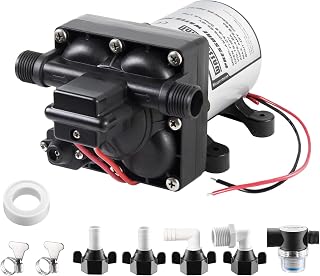
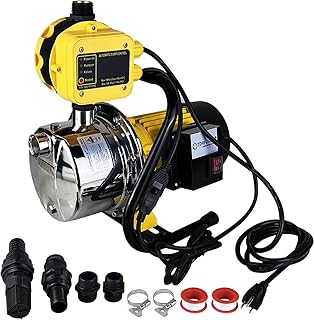


A Crompton water pump is designed to move water efficiently from one location to another, making it useful for household water supply, tank filling, pressure boosting, gardening and selected agricultural applications. Crompton's pump range includes different configurations, so choosing the right model depends on the water source, required flow, lifting height, installation arrangement and available electrical supply. Rather than selecting a pump based only on horsepower, Canadian shoppers should compare the complete operating requirements of their water system.
The right pump depends on what you need it to accomplish. Residential pumps can be used for transferring water to storage tanks, supplying fixtures, improving pressure or supporting garden watering. Some Crompton models are designed for shallow-well applications, while other pump categories are intended for open-well, pressure-boosting, circulation or agricultural duties. Matching the pump type to the application helps avoid poor performance and unnecessary energy consumption.
For homes, a suitable Crompton pump can help move water from a ground-level source or storage system to an elevated tank or household distribution network. Consider the number of fixtures, expected simultaneous usage and the vertical distance the water must travel. Compact residential designs may be appropriate for smaller requirements, while higher-capacity models can support larger properties or greater delivery demands.
Where incoming water pressure is insufficient, a pressure-oriented pump can help provide a more consistent supply to taps, showers and appliances. Check the pump's operating pressure, flow characteristics and automatic-control features before choosing a model. The system should be sized for the actual demand rather than simply choosing the highest-powered pump available.
Water-source depth is one of the most important factors when selecting a pump. Shallow-well and suction-based pumps have specific limits for lifting water, while submersible solutions are used differently. Measure the vertical distance between the water level and pump location, then consider the additional height and pipe resistance involved in delivering water to its destination.
When comparing models, pay attention to horsepower, wattage, flow rate, suction head, delivery head, outlet size and voltage requirements. A pump's maximum head is not the same as its normal operating flow, so reviewing performance data at the required operating point is important. For example, a model may provide strong lifting capability but deliver a lower flow rate at greater heights.
Electrical compatibility deserves particular attention in Canada. Verify the exact voltage, frequency, phase and wiring requirements of the selected model before installation. Do not assume that a pump manufactured for another electrical market will be compatible with a Canadian residential circuit. Where necessary, have electrical connections completed by a qualified professional.
Crompton manufactures a broad range of pumps with features intended to support dependable water movement and practical maintenance. Depending on the model, features can include high-suction designs, anti-jam winding, thermal protection, corrosion-resistant components, automatic operation and energy-conscious motor designs. The actual features vary by product, so always confirm the specifications of the individual pump before purchasing.
Correctly sized pumps can move the required volume of water without unnecessarily overloading the motor. Choosing an appropriate flow and head combination can improve system efficiency and help reduce operating costs over time.
Water pumps operate around moisture, pressure and mechanical movement, making construction quality important. Depending on the model, Crompton pumps may use materials and protective features designed to withstand normal operating conditions and simplify maintenance.
Regular inspection can help maintain pump performance. Keep suction points and filters clear, check pipe connections for leaks, watch for unusual noise or vibration, and follow the manufacturer's instructions for priming and servicing. Never allow a pump to operate outside its specified conditions or run dry when the model is not designed for dry running.
Start by identifying the water source and destination. Next, determine the required flow rate and total head, including vertical lift and relevant pipe losses. Check whether the installation requires a self-priming, centrifugal, pressure-booster, shallow-well, open-well or another pump configuration. Finally, verify electrical compatibility, physical dimensions, connection sizes and installation requirements.
For Canadian properties, environmental conditions should also be considered. Pumps installed outdoors or in unheated spaces may need protection from freezing temperatures. Water left inside a pump or pipe can freeze and cause damage, so seasonal installations should be prepared according to the manufacturer's recommendations.
Whether you need dependable household water transfer, pressure assistance, tank filling or a pump for another suitable application, comparing Crompton models by their actual specifications is the best way to find an appropriate solution. Focus on flow, head, power, water source and electrical requirements rather than choosing solely by motor horsepower. Review the individual product specifications and installation guidance before placing an order, especially when importing equipment for use in Canada.
Find a Crompton water pump suited to your water-transfer, household supply, pressure-boosting or other pumping requirements. Crompton offers pump solutions across residential and agricultural applications, with options that vary by motor power, suction capability, flow rate, pump type and installation requirements. For Canadian shoppers, comparing the pump's electrical specifications, required head, flow rate, water source and intended application is essential before purchase.