

♥ Wishlist
Compare 31 Honda Generators in Canada products in Canada. Reviews, ratings, pros, cons and buying advice updated for October 2026.


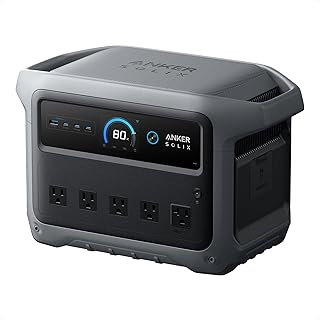


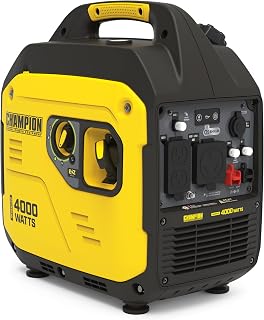


Choosing a Honda generator is less about selecting the largest wattage and more about matching the generator's output, fuel system, portability, noise characteristics, runtime expectations and intended application. A compact inverter generator can be an excellent choice for camping or sensitive electronics, while a larger conventional or inverter model may be more appropriate for emergency household loads, job sites or recreational vehicles.
For Canadian buyers, the right choice also depends on how the generator will be used in local conditions. Cold-weather starting, storage, fuel management, operating location, electrical requirements and the difference between running watts and starting watts can all affect practical performance. Before comparing individual models, establish the loads you actually need to operate and then choose a generator with an appropriate operating margin.
Honda's generator range includes different designs intended for different applications. Understanding the distinction between inverter generators, conventional generators and larger high-output systems makes it easier to narrow down a suitable option.
Inverter generators are particularly attractive for camping, tailgating, recreational vehicles and backup use where portability and electrical quality matter. They generate electricity, convert it through an inverter system and can regulate output efficiently according to demand.
Many Honda inverter generators are designed with compact footprints and relatively low operating noise compared with larger open-frame generator designs. Their ability to adjust engine speed according to electrical demand can also help reduce unnecessary fuel consumption during lighter loads.
When evaluating an inverter generator, pay attention to continuous output rather than relying solely on the model's maximum or peak figure. The continuous rating is more useful for determining which appliances and tools can be operated for sustained periods.
Conventional portable generators can make sense when higher output is more important than minimum size or weight. They are commonly considered for construction equipment, workshops, larger outdoor applications and backup power requirements.
These generators may use simpler generator architecture than an inverter model, but that does not automatically make one design better than the other. The appropriate choice depends on the equipment being powered, required portability, noise tolerance, fuel consumption and budget.
For more demanding emergency-power applications, buyers should look beyond portable-generator specifications and consider the total electrical load of the property. A larger generator may be necessary when several major appliances must operate simultaneously.
However, purchasing substantially more generator capacity than necessary can increase acquisition cost, physical size, fuel requirements and transportation difficulty. A load calculation is therefore more useful than simply choosing the biggest model available.
One of the most common generator-buying mistakes is confusing running watts with starting watts. Running watts represent the approximate electrical power an appliance requires while operating normally. Starting watts account for the temporary surge some motor-driven appliances require when they start.
Refrigerators, freezers, pumps, compressors, power tools and certain heating or cooling equipment can have substantially higher startup requirements than their normal operating consumption. A generator that appears powerful enough based on running wattage alone may therefore struggle when several motor loads start together.
Before purchasing, make a list of the equipment you expect to run simultaneously. Record both running and starting requirements when those figures are available from manufacturer specifications or appliance labels.
The correct generator size depends on the equipment you want to operate, not on the size of the property alone. A homeowner seeking emergency power for a refrigerator, freezer, lighting, internet equipment and selected small appliances has very different requirements from someone trying to operate electric heating equipment, pumps, workshop tools or multiple large appliances.
A practical load assessment should separate essential circuits from optional loads. During an outage, prioritizing essential equipment can substantially reduce the generator capacity required.
Do not add every appliance in the house automatically. Instead, determine which devices need to operate concurrently. This approach can produce a more realistic generator requirement while avoiding unnecessary capacity.
Electrical quality is an important consideration when a generator will power modern electronics. Inverter generator designs are often selected for applications involving computers, televisions, chargers, networking equipment and other electronic devices because the inverter system can provide controlled electrical output.
This does not mean every electronic device automatically requires an inverter generator, nor does it mean conventional generators are unsuitable for all electronics. Buyers should review the specifications of the generator and the requirements of the equipment they intend to power.
For camping and recreational use, inverter technology can offer another practical advantage: many models are designed to reduce engine speed when electrical demand is low. That can make them more suitable for environments where noise and fuel efficiency are important considerations.
Some compatible Honda generator models can be connected using an approved parallel setup so that two units can work together. This can provide an alternative to purchasing one substantially larger generator when portability is important.
Parallel operation is not universal across every generator model, so compatibility must be confirmed before buying. The required parallel equipment, output limitations and connection procedure should be checked against the manufacturer's specifications.
For buyers who occasionally need additional capacity, a parallel-capable system can be worth considering. Someone who consistently needs high output, however, may find a purpose-built higher-capacity generator more practical.
Fuel considerations are especially important for emergency preparedness in Canada. A generator is only useful during an outage if suitable fuel can be stored safely and the engine can be started and operated correctly.
Gasoline-powered portable generators remain common because gasoline is widely available and many portable models are designed around it. Buyers should nevertheless consider fuel storage requirements, shelf life, stabilization, safe containers and local storage rules.
Some generator systems use alternative fuel arrangements or dual-fuel configurations. These can offer additional flexibility, but the relevant fuel system should be evaluated for capacity, operating procedure, cold-weather considerations and maintenance requirements.
Cold temperatures can make gasoline engines more difficult to start and can affect fuel behavior, engine oil viscosity and battery performance on applicable generator systems. Buyers in colder regions should therefore examine the manufacturer's recommendations for starting, storage and operating temperatures.
Generator placement is also important during winter. Snow accumulation must never be allowed to block ventilation or exhaust pathways. A generator should be operated outdoors in an appropriately ventilated location, away from doors, windows and other openings where exhaust gases could enter a building.
Never operate a gasoline-powered generator inside a home, garage, basement, shed or other enclosed or partially enclosed space. Carbon monoxide is an invisible and potentially fatal hazard.
Noise can be a decisive factor for camping, residential backup use and cottage applications. A generator that is acceptable on a construction site may be unpleasant near a campsite or residential property.
When comparing models, look for the manufacturer's stated noise measurement and pay attention to the conditions under which it was recorded. Noise figures can be reported at different distances and operating loads, so two numbers should not be treated as directly equivalent without checking the measurement conditions.
Even a comparatively quiet generator should be positioned thoughtfully. Hard surfaces can reflect sound, while proximity to neighbouring properties can make normal engine noise more noticeable. Never place a generator indoors or attempt to solve noise problems by enclosing the generator in an improvised structure that restricts cooling or exhaust flow.
Generator portability is determined by more than the dry weight printed in a specification sheet. Consider how the unit will actually be transported from storage to the campsite, vehicle, cottage or backup-power location.
A lighter generator is not necessarily the best generator if it cannot provide the output required for your equipment. Portability should be evaluated alongside power capacity rather than treated as an isolated specification.
A generator's control panel should be examined carefully before purchase. The number and type of outlets determine how conveniently the generator can be connected to the equipment you intend to use.
Compare outlet configurations with your actual equipment requirements rather than assuming that more outlets automatically provide greater usefulness. Buyers should also examine rated voltage, amperage, frequency, circuit protection and any manufacturer-specified limitations.
For home backup applications, connection to household wiring is a separate issue from simply plugging appliances into a portable generator. Never attempt an improvised connection that can energize building wiring improperly. A transfer switch or other appropriate connection method should be installed and used in accordance with applicable Canadian electrical requirements and qualified professional guidance.
Generator safety should be treated as a core purchasing criterion rather than an afterthought. The primary risks include carbon monoxide poisoning, electrical shock, fire, burns and improper connections to household electrical systems.
Carbon monoxide is one of the most serious hazards associated with fuel-burning generators. The gas has no reliable warning smell and can accumulate rapidly in enclosed or poorly ventilated areas.
Do not use the garage as a generator shelter, even if the garage door is open. Likewise, a porch, carport or shed may not provide sufficient ventilation. Generator placement should follow the manufacturer's safety instructions and applicable local requirements.
Carbon monoxide alarms should be used where appropriate as part of a broader household safety plan, but an alarm is not a substitute for correct generator placement and ventilation.
A generator is an engine-powered machine, so routine maintenance is part of ownership. Before selecting a model, review the maintenance schedule and determine whether the required servicing is realistic for your intended usage.
The exact maintenance intervals vary by model and operating conditions. Always use the manufacturer's current manual for the applicable generator rather than applying a generic service interval.
Emergency generators can sit unused for months, making storage preparation particularly important. Fuel left untreated or improperly managed can create starting problems and fuel-system issues.
Follow the storage procedure specified for the exact Honda generator model. Depending on the model and manufacturer's instructions, storage preparation may involve fuel management, engine-oil service, cleaning, inspection and protecting the generator from moisture.
Store the generator in a clean, dry location that does not expose it to unnecessary moisture or extreme environmental conditions. Keep fuel separately and safely where required, using appropriate approved containers and following local regulations.
A peak number can look impressive in a product comparison, but it does not tell you what the generator can continuously supply. Use the rated running output as the foundation of your load calculation.
Refrigerators, pumps and power tools can require additional starting power. Failing to account for startup demand can lead to overloads or unreliable operation.
An oversized generator may cost more, take up more storage space and consume more resources than necessary. Size the generator around realistic simultaneous loads.
A generator that looks portable on paper may be difficult to move once fuel and accessories are included. Consider your actual transportation route before buying.
Noise tolerance varies considerably between a worksite, campsite, backyard and cottage. Compare manufacturer noise specifications and intended use before deciding.
Confirm that the generator provides the voltage, amperage and outlet configuration required by your equipment. Adapters should never be used to overcome an electrical mismatch that the generator was not designed to support.
The generator itself may not be the only item needed for a complete setup. Depending on the application, buyers may need suitable extension cords, approved parallel equipment, weather protection designed for generators, fuel containers, maintenance supplies or professionally installed transfer equipment.
When comparing several Honda generators, place the specifications side by side instead of focusing on one headline feature. The most useful comparison considers output, size, weight, fuel capacity, runtime, noise, outlet configuration, starting system, inverter technology, parallel capability and maintenance requirements.
Honda is one of the established names buyers encounter when researching portable generators, but it should not be evaluated in isolation. Depending on the application and budget, Canadian shoppers may also encounter brands such as Yamaha, Champion, Westinghouse, Generac and Briggs & Stratton.
The most useful comparison is specification-to-specification rather than brand-to-brand. Examine the rated output, inverter design, noise specification, runtime conditions, physical dimensions, warranty terms, replacement parts, maintenance requirements and availability of service support applicable to the exact model and Canadian market.
Honda and Yamaha both have established reputations in compact engine-powered equipment. When comparing generators from these brands, focus on the individual model's output, weight, noise, fuel capacity, runtime, controls and intended application rather than assuming one brand is automatically better for every buyer.
Champion offers a broad range of generator products, including portable and inverter-oriented options. A meaningful comparison should consider whether the lower or higher purchase cost of a particular model corresponds to differences in output, features, portability, operating characteristics and long-term ownership requirements.
Generac is another major generator manufacturer encountered by Canadian buyers. The comparison becomes particularly relevant when deciding between portable emergency power and larger backup-power solutions. Compare the intended generator category first, because two models designed for completely different applications should not be judged solely by wattage.
Westinghouse products may appeal to buyers comparing portable and inverter generator configurations. Check the exact electrical ratings, fuel system, noise specification, weight and available features before drawing conclusions about value.
Camping generally places a greater emphasis on compact dimensions, manageable weight, quiet operation and efficient performance at moderate loads. A smaller inverter generator can be appropriate when the intended equipment consists of modest electrical loads.
Before choosing a camping generator, consider whether you actually need a fuel-powered generator. Some camping setups can operate selected devices from battery power or other portable energy systems. If a generator is necessary, prioritize portability and operating noise alongside output.
RV owners should begin by identifying the electrical service requirements of the vehicle and the appliances they expect to operate. Air conditioning, microwaves, refrigeration, battery chargers and other equipment can create substantially different load profiles.
Check the RV's electrical connection requirements and ensure that the generator configuration is compatible. If multiple generator units are being considered for parallel operation, verify compatibility and follow the manufacturer's approved setup.
Home backup requirements vary dramatically. Some households want only refrigeration, lighting and communications during an outage, while others need pumps, heating controls or additional appliances.
Make an essential-load list before shopping. If the generator will connect to a home's electrical system rather than directly power individual appliances, consult a qualified electrician regarding the appropriate transfer equipment and installation requirements.
Portable generator ownership should also be part of a wider outage plan. Consider fuel storage, safe operating location, extension-cord requirements, carbon monoxide protection and how the generator will be transported from storage to its operating position.
Construction and workshop users typically need to prioritize output capacity, durability, portability and compatibility with motor-driven equipment. Startup demand from saws, compressors, pumps and other tools can be significant.
Job-site buyers should also consider how frequently the generator will be moved, whether its outlets match the tools being used and whether the generator can sustain the expected load without operating continuously at its limit.
Runtime figures should never be viewed without considering the load used to obtain them. A generator running at a light load may operate considerably longer between refuelling stops than the same generator operating near its rated capacity.
When comparing two models, check whether their runtime figures were measured under comparable conditions. Differences in fuel-tank capacity can also make a generator appear to have better runtime when the underlying fuel efficiency is not necessarily equivalent.
Fuel consumption is influenced by generator design, engine characteristics, electrical load and operating conditions. Inverter generators can reduce engine speed during lighter loads on compatible models, which can be advantageous when the generator spends much of its operating time below maximum capacity.
Load management can also improve practical efficiency. Turn off equipment that is not needed, avoid running unnecessary high-draw appliances simultaneously and prioritize essential loads during extended outages.
Because this is an independent buying guide rather than a retailer, buyers should verify current information with the retailer and manufacturer before placing an order. Generator specifications, included accessories, availability, delivery options, warranty conditions and pricing can change.
Customer reviews can reveal practical issues that are difficult to identify from a specification sheet, but they should be evaluated critically. Look for recurring observations rather than relying on one unusually positive or negative review.
Useful review themes include starting behavior, portability, noise perception, control-panel usability, fuel consumption, long-duration use and suitability for the buyer's particular application.
Reviews should complement, not replace, manufacturer specifications. A customer review may describe a particular use case that differs substantially from yours, so always compare the reviewer's circumstances with your own requirements.
There is no single best Honda generator for every Canadian buyer. The right model depends on required wattage, intended use, portability, noise tolerance, fuel requirements and budget. A camping setup may require a very different generator from a home emergency-power system.
Inverter generators are designed to provide controlled electrical output and are commonly considered for electronics and recreational applications. Buyers should still verify the exact generator's specifications and the requirements of their electronic equipment.
Household generator size depends on which appliances and systems you intend to operate simultaneously. Calculate essential running loads and account for startup requirements rather than choosing a size based solely on square footage.
A suitably rated generator can power a refrigerator when its continuous output and startup capability are sufficient. Because compressors can require additional starting power, both running and startup requirements should be considered.
Some compatible Honda generator models support parallel operation, but compatibility is model-specific. Confirm that the exact generators and required parallel equipment are approved for combined operation before attempting a connection.
No. A fuel-powered generator should never be operated inside a garage or other enclosed or partially enclosed space because of the risk of carbon monoxide accumulation and fire.
Maintenance schedules vary by model and usage. Follow the current owner's manual for the exact generator, including instructions for engine oil, air filtration, spark plugs, fuel management and storage.
Fuel consumption depends on generator design, engine characteristics and electrical load as well as generator size. A larger generator operating at a light load may not necessarily use fuel in the same way as a smaller generator operating close to its limit.
Consider reliable starting procedures, manufacturer cold-weather recommendations, safe fuel storage, appropriate oil specifications, protected but adequately ventilated operating placement and a practical method for transporting the generator through snow or ice.
Honda is an established generator manufacturer and its products are worth including in a serious comparison. Whether a particular model represents the best purchase depends on its specifications, intended use, current Canadian pricing, competing products and the buyer's priorities.
Before purchasing one of the generators considered in this guide, verify the current specifications for the exact model and compare them with your real-world requirements. The best buying decision is not necessarily the generator with the highest advertised output or the longest stated runtime; it is the model that provides appropriate capacity, safe operation, practical portability and features suited to the way you will actually use it.
The best Honda generator for a Canadian buyer in 2026 is the one that matches the intended application without sacrificing safe operation or practical usability. Start with your electrical loads, identify startup demands, decide how portable and quiet the generator needs to be, then compare the exact models on output, fuel system, runtime, dimensions, controls, maintenance and available support.
For camping and recreational use, portability and quiet inverter operation may be the priorities. For emergency home power, dependable capacity and correct electrical integration become more important. For job sites, sustained output, startup performance and mobility can take precedence. By evaluating the generator around those real-world requirements rather than choosing by headline wattage alone, Canadian buyers can make a more informed purchasing decision.