

♥ Wishlist
Compare 31 Makita Sanders products in Canada. Reviews, ratings, pros, cons and buying advice updated for October 2026.


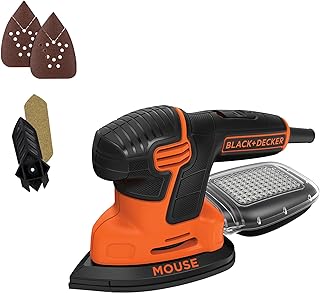




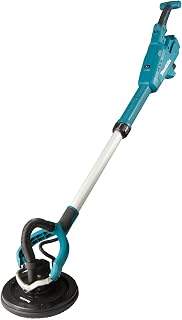


Choosing a precision sander is less about maximum motor power and more about matching the sanding system to the material, surface profile, finish requirement, working area and frequency of use. Makita offers several sander formats, and each is designed around a different type of sanding movement and application. A compact finishing sander can be an excellent choice for controlled work on trim and furniture, while a random orbital sander is generally more versatile when removing material and producing a smooth finish are both important.
For Canadian buyers, the decision should also account for corded versus cordless operation, compatible batteries, replacement abrasives, dust collection, ergonomics and the type of electrical supply available in the workshop. A technically capable machine is not necessarily the best purchase if its sanding pad, abrasive system or dust-management setup does not suit the work you actually perform.
Before comparing individual models, identify the sanding mechanism you need. Different movements leave different surface patterns, remove material at different rates and behave differently near edges and corners.
Random orbital sanders combine orbital movement with rotation of the sanding pad. This makes them a strong all-purpose option for many woodworking and finishing applications. They can be used for tasks ranging from smoothing prepared timber to refining surfaces between finish coats when the correct abrasive and technique are used.
Finishing sanders use a more controlled sanding action and are particularly useful when the objective is a refined, consistent surface rather than aggressive stock removal. Their rectangular or square sanding areas can be convenient on broad flat surfaces and near some corners.
Detail sanders are designed for areas where a larger sanding pad cannot easily reach. They are especially useful around profiles, corners, narrow sections and intricate woodworking components.
Belt sanders are built for substantially faster material removal than typical finishing sanders. They are useful when levelling surfaces, removing old finishes or correcting substantial unevenness, but they require more control because an aggressive sanding belt can remove material quickly.
The word “precision” should not be interpreted as simply choosing the most powerful sander. Precision depends on how consistently the tool can control the abrasive against the workpiece and how effectively the operator can regulate pressure, speed and movement.
Variable-speed control can be valuable because different materials and abrasive grades respond differently to sanding speed. Lower settings may provide greater control for delicate finishing tasks, while higher settings can be useful for faster removal when the application permits it.
Speed adjustment is particularly useful for users who work with multiple materials. Wood species, painted surfaces and other substrates can respond differently to heat, friction and abrasive pressure. The ability to adjust speed gives the operator another way to control the process rather than relying entirely on hand pressure.
The sanding action is one of the most important specifications to compare. Orbital, random orbital and belt mechanisms are not interchangeable. Consider whether the work requires rapid stock removal, general surface preparation, fine finishing or access to small areas before selecting a tool.
A larger sanding pad can cover more surface area with each pass, while a smaller pad may offer better control in restricted spaces. Pad dimensions should therefore be evaluated alongside the size of the workpieces you normally handle.
Pad shape also matters. Rectangular sanding areas can be advantageous on broad flat panels, while round random orbital pads are often convenient for general woodworking and blending work. Detail-oriented designs may use pointed or shaped sanding areas for difficult corners.
Product specifications can look similar at first glance, but several details can have a meaningful effect on everyday usability. Instead of choosing based on one headline specification, compare the complete sanding system.
The corded-versus-cordless decision should be based on how you work rather than on a simple assumption that one format is universally better.
For Canadian workshops, also consider where the sanding will take place. A dedicated shop bench with nearby power outlets may favour a corded tool, whereas renovation work across different rooms or locations can make cordless operation more convenient.
Dust management is not merely a cleanliness feature. Excessive dust can obscure the surface being inspected, settle on nearby components and make it harder to judge the quality of a sanding pass. Efficient dust extraction can therefore contribute to a more controlled workflow.
When comparing Makita sanders, inspect the dust-collection design rather than assuming that every model will perform identically. Consider whether the tool uses a dust bag, cartridge-style collector or connection to an external vacuum or extraction system.
A built-in or attached dust collector can be convenient for quick jobs and mobile work. External extraction can be preferable when sanding for extended periods or when the workspace requires more comprehensive dust management.
A high-quality sander cannot compensate for an unsuitable abrasive. Sandpaper selection is one of the biggest factors affecting removal rate, scratch pattern and final surface quality.
Coarser grades are generally used when substantial material needs to be removed. They can be useful for correcting rough surfaces, removing old coatings where appropriate and establishing the initial shape of a workpiece.
Medium grades are commonly used for progressive smoothing after the major imperfections have been addressed. They can provide a transition between aggressive stock removal and final finishing.
Fine grades are generally selected when the objective is surface refinement. They are useful when preparing a surface for subsequent finishing, provided the material and coating system allow the chosen abrasive grade.
Do not automatically jump from an extremely coarse abrasive to an extremely fine one. A sensible progression allows each successive grade to remove the scratches produced by the previous grade without unnecessarily extending the sanding process.
More power does not automatically mean better precision. If your primary work involves delicate finishing, excessive material-removal capability may be less useful than speed control, low vibration, manageable size and good visibility of the sanding area.
The purchase price of the tool is only one part of ownership. A frequently used sander consumes abrasive discs, sheets or belts, and these consumables should be considered when comparing long-term value.
A cordless sander may appear attractive until the buyer discovers that the required battery and charger are not included or that additional batteries are needed for uninterrupted work. Check exactly what is included in the package and compare it with the batteries already available in your workshop.
A sander that fits the intended application but creates an inconvenient dust-management setup can become frustrating to use. Check the extraction arrangement before buying, particularly if the tool will be used indoors.
A detail sander should not be expected to remove material as rapidly as a belt sander, and a finishing sander should not automatically be treated as a substitute for a dedicated detail tool. Choosing the correct sanding mechanism is more important than simply choosing a highly rated tool.
A versatile random orbital or finishing sander may make the most sense for occasional home projects because it can cover a broad range of surface-preparation tasks. Look for a comfortable design, straightforward abrasive changes and practical dust collection.
Furniture work places greater emphasis on surface quality, control and consistency. Variable speed, manageable vibration, reliable dust extraction and compatibility with the abrasive system used in the workshop can become more important than maximum material-removal speed.
Cabinet components and trim can involve broad flat areas as well as edges, profiles and confined sections. A combination of a general-purpose sander and a detail-oriented option may be more practical than expecting one machine to handle every surface.
Renovation work can involve multiple rooms, awkward positions and limited access to electrical outlets. A cordless Makita sander can be attractive where mobility matters, while a corded model can remain practical for prolonged workshop-based sanding.
Frequent users should place greater emphasis on ergonomics, consumable availability, dust extraction, serviceability, operating comfort and compatibility with the rest of the workshop's tool ecosystem. A small improvement in everyday handling can matter considerably when a sander is used repeatedly.
Sanding often involves repetitive movement, so ergonomics deserves as much attention as headline performance. A tool that feels comfortable for a short demonstration may feel very different during an extended sanding session.
Softwoods can respond quickly to sanding, so excessive pressure or an unnecessarily coarse abrasive can remove more material than intended. Controlled passes and appropriate abrasive progression are important when preserving profiles and edges.
Harder woods can require more patience and careful abrasive selection. Avoid assuming that increasing pressure is the best way to accelerate the job. Maintaining an even sanding pattern can be more important to the final result.
When preparing painted surfaces, identify the coating and intended outcome before sanding. Removing a coating is a different objective from lightly keying a surface for subsequent finishing. Dust management becomes particularly important when disturbing existing coatings.
Veneered surfaces require particular care because the decorative layer can be relatively thin. Aggressive abrasives and prolonged sanding in one area can damage the veneer. A controllable tool and conservative sanding technique are generally preferable.
Not every wood-oriented sanding setup is appropriate for every metalworking application. Abrasive selection, heat generation, sparks, dust and manufacturer guidance should all be considered before using a particular sander on metal.
When evaluating the products featured in this guide, avoid treating the ranking as the only decision factor. A product that is ideal for one buyer can be unsuitable for another because sanding requirements vary considerably.
Makita is one of several established power-tool brands worth considering when shopping for a sander in Canada. Depending on the buyer's existing tools and preferred battery platform, comparisons with Bosch, DEWALT, Milwaukee, Festool and other established manufacturers can be useful.
The best brand is not necessarily the one with the most expensive model. Compare the specific sander rather than relying solely on brand reputation. Important factors include the sanding mechanism, ergonomics, dust extraction, abrasive compatibility, power source, accessories and the availability of compatible tools within the buyer's existing ecosystem.
Cordless tool buyers should pay particular attention to platform compatibility. If a workshop already contains compatible batteries and chargers, staying within the same ecosystem can reduce duplication and simplify tool ownership. However, platform compatibility should not override the fundamental requirement that the sander itself must suit the job.
Online product listings can use similar model names while differing in kit contents or regional configurations. Before placing an order, inspect the complete listing rather than relying on the product title alone.
Routine maintenance can help preserve predictable operation and reduce avoidable problems. Always follow the manufacturer's instructions for the specific model because maintenance requirements vary between tools.
Dust can accumulate around ventilation openings, collection ports and other areas of a power tool. Inspect these areas regularly and clean them using an appropriate method recommended by the manufacturer.
Check the backing pad for excessive wear, damage or deterioration. A worn pad can affect abrasive attachment and sanding consistency. Replace components according to the manufacturer's guidance when necessary.
Damaged, clogged or excessively worn abrasives can reduce sanding efficiency and encourage unnecessary pressure. Replacing abrasive material at the appropriate point can improve consistency and reduce the temptation to force the tool.
Inspect collection bags, filters, hoses and connectors as applicable. Restricted airflow can reduce dust-management effectiveness and may interfere with the intended operation of the extraction system.
Store the sander in a clean, dry environment and protect it from unnecessary impact, moisture and excessive dust. Remove loose sanding debris after use before putting the tool away.
Sanding creates airborne particles and can generate significant noise and vibration. Appropriate personal protective equipment and workshop controls should be selected for the material and task.
For occasional DIY work, buying the most specialised or powerful sander can create unnecessary expense and storage requirements. A versatile model that handles the majority of your projects may provide better practical value.
For frequent woodworking, a more specialised combination can make sense. For example, a general-purpose random orbital sander can handle many broad surfaces, while a detail sander can address corners and a more aggressive machine can be reserved for heavy stock removal. The appropriate combination depends on the projects being undertaken.
Customer ratings can provide useful purchasing signals, but a numerical rating alone does not establish that a particular sander is right for your application. A better approach is to look for recurring themes in detailed feedback.
Pay particular attention to comments about ergonomics, dust collection, abrasive attachment, control, battery life where relevant, ease of use and suitability for the specific materials being sanded. Give less weight to isolated complaints or praise that does not explain the circumstances of use.
It is also worth checking whether reviews relate to the exact model and configuration you are considering. Retail listings can sometimes group related variants together, so confirm that the feedback corresponds to the product configuration being purchased.
The lowest listed price is not necessarily the lowest-cost option over time. A realistic comparison should include the complete ownership picture.
A moderately priced sander that fits your existing accessories and handles the majority of your work may offer better practical value than a more expensive model whose specialist capabilities are rarely needed.
For general woodworking, a random orbital sander is often a sensible starting point because of its combination of versatility and surface-finishing capability. The right choice still depends on the materials, workpiece size, desired finish and available dust-collection setup.
Neither is universally better. Random orbital sanders are versatile and can be effective for both material removal and finishing, while finishing sanders can be advantageous when controlled surface refinement is the primary requirement.
Yes, particularly for users who value mobility or already use compatible Makita batteries. Cordless operation can simplify work around a renovation site or large workpiece, while corded models remain attractive for long workshop sessions.
Not necessarily. A detail sander becomes more valuable when your projects regularly contain corners, narrow recesses, profiles or other areas that are difficult to reach with a conventional sanding pad.
The appropriate grit depends on the material, the starting condition of the surface and the desired result. Begin with the least aggressive abrasive that can reasonably accomplish the task, then progress through suitable grades as the surface becomes smoother.
No single sander is ideal for every application. A versatile random orbital model can cover many common tasks, but detail sanding and aggressive stock removal can call for different mechanisms.
It is an important consideration for both workshop cleanliness and controlled sanding. Effective extraction can reduce airborne dust and keep the work area clearer, which can make it easier to inspect the surface as you work.
Choose based on your working environment. Corded tools can be convenient for stationary workshops and long sessions, while cordless tools provide greater mobility. Existing battery ownership can also influence the overall value of a cordless purchase.
Makita offers a broad range of power-tool configurations, including sanders suited to different applications. DIY buyers should focus on the specifications and sanding mechanism that match their projects rather than choosing solely because of the brand name.
Confirm the exact model, sanding mechanism, pad dimensions, power source, package contents, battery and charger status, dust-collection arrangement, abrasive compatibility and current retailer terms. Product specifications and package configurations should always be verified on the current listing before purchase.
Before choosing from the products compared in this guide, use this checklist to narrow the selection to models that genuinely fit your requirements:
The best precision Makita sander is ultimately the one whose sanding action, pad configuration, power source, dust-management system and ergonomics match the work you actually perform. A versatile random orbital sander can be an excellent starting point for many woodworking applications, while finishing, detail and belt configurations serve more specific requirements.
For Canadian buyers, the strongest purchasing decision comes from comparing the complete specification rather than focusing on a single rating or headline feature. Consider the tool itself, the abrasives it requires, the accessories included, the battery ecosystem if applicable, dust extraction and the conditions in which it will be used.
Before purchasing, verify the current model information, package contents, Canadian availability and today's retailer pricing. Product configurations can change, so the exact listing should always be treated as the final reference for what is included with a particular purchase.