

♥ Wishlist


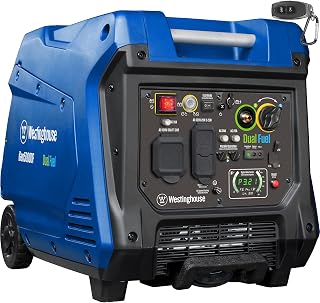


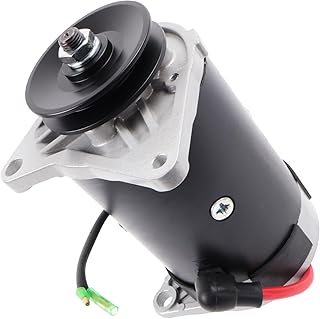


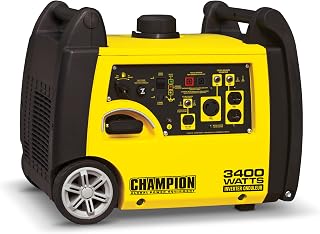


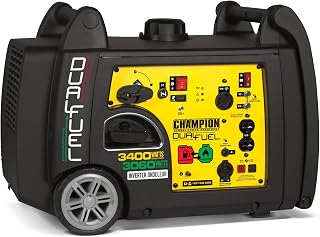


Choosing the right Yamaha generator in Canada starts with understanding how much power you actually need. A generator that works well for camping may not provide enough capacity for essential household equipment during a power outage. Likewise, a larger generator can offer more output but may be heavier, louder and less convenient to transport. Before comparing models, consider the appliances, tools, electronics or recreational equipment you expect to operate.
Yamaha generators can appeal to shoppers looking for portable electricity for a variety of situations. Depending on the model, a generator may be suitable for camping, RV use, outdoor recreation, job sites, seasonal properties or emergency backup. Portable generator shoppers should compare rated output rather than focusing only on peak or starting wattage. Rated watts indicate the power a generator can generally provide during continuous operation, while starting watts account for the temporary surge required by equipment with motors or compressors.
For camping and recreational use, portability is often a major consideration. A compact generator can be easier to transport, store and position at a campsite or seasonal property. Noise is another important factor when spending time outdoors. Look for specifications describing operating noise and consider how close the generator will be to tents, RVs, neighbours or other people. Weight, carrying handles and overall dimensions can also influence whether a model is practical for frequent travel.
Canadian RV owners may need dependable electricity for appliances, lighting, charging devices and other equipment. When comparing a generator for an RV, check the available outlets, voltage, continuous wattage and compatibility with the RV's electrical setup. Some equipment has high starting requirements, so calculating the combined running and starting loads can help prevent choosing a generator that is undersized for the intended application.
Start by making a list of everything you want to operate at the same time. Add the running wattage of those devices and allow additional capacity for appliances that require a startup surge. This provides a more useful basis for comparison than choosing a generator based solely on its advertised maximum output.
Portability is equally important. If you plan to move the generator regularly, consider its weight, dimensions, carrying design and wheel configuration where applicable. For stationary backup use, output capacity and connection requirements may be more important than compact size. Always review the manufacturer's specifications before purchasing and confirm that the generator is appropriate for your electrical requirements.
Inverter generators are popular for applications where portability, lower operating noise and stable electrical output are priorities. They are often considered for sensitive electronics, recreational use and situations where a compact power source is preferred. When comparing inverter models, examine rated wattage, peak wattage, fuel consumption, runtime, noise level, outlet configuration and available operating modes.
Fuel type and tank capacity affect how a generator performs during extended use. Runtime figures should always be considered alongside the load being placed on the generator because actual runtime can vary depending on operating conditions and power demand. Canadian shoppers should also consider fuel availability, storage requirements and the practical cost of operating the generator over time.
Portable fuel-powered generators must be operated outdoors in a well-ventilated location because their exhaust can contain carbon monoxide. Never operate a fuel-powered generator inside a home, garage, shed or other enclosed space. Keep the generator away from doors, windows and vents, and follow the manufacturer's operating, refuelling, maintenance and storage instructions. If a generator will be connected to household circuits, use an appropriate transfer-switch installation performed by a qualified professional rather than attempting an unsafe direct connection.
When comparing Yamaha generators, look beyond the headline wattage. Evaluate continuous output, starting capacity, fuel consumption, runtime, noise, portability, outlets, dimensions and weight. Think about the conditions in which the generator will actually be used, including Canadian weather, transportation requirements and available storage space.
Whether you need portable power for a weekend trip, an RV, outdoor work or emergency preparedness, selecting the correct capacity can make the generator more useful and efficient. Compare the available specifications carefully and choose a model that matches your equipment rather than automatically selecting the largest option.
This category provides a starting point for shoppers researching Yamaha generators in Canada. Product availability, pricing and specifications can change, so review the current product information and seller details before making a purchase. For fuel-powered equipment, always follow the manufacturer's safety requirements and applicable Canadian regulations.
Find Yamaha generators suited to portable power, camping, RV trips, outdoor projects and backup-power needs across Canada. Yamaha is a well-known name in power equipment, and generator shoppers often look for a balance of dependable operation, portability, fuel efficiency and convenient power delivery. This category is designed to help Canadian shoppers understand the options available and choose a generator according to their intended use, required wattage and preferred features.