

♥ Wishlist


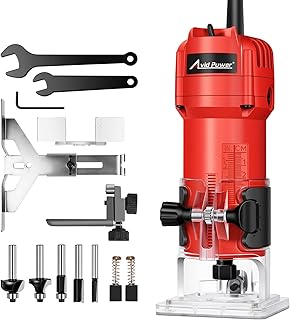


Makita routers are designed for woodworking and routing applications where control, accuracy and a clean finish matter. A router can be used for tasks such as trimming laminate, creating decorative edges, cutting grooves, shaping profiles and completing joinery work. The right model depends on the material, cutter size, depth requirements and level of portability you need.
For Canadian shoppers, choosing a router starts with understanding the type of work you expect to complete. Compact models can be useful for edge trimming and lighter woodworking jobs, while more powerful routers are better suited to demanding applications and deeper cuts. If you frequently move between a workshop, job site and different work areas, a cordless router can offer added convenience by reducing the need for a nearby power outlet.
Makita router options can suit a wide range of woodworking requirements. Compact routers are particularly useful when working around edges, producing small profiles or trimming materials. Their smaller form can make them easier to control during detailed work. For larger routing jobs, a model with suitable power and speed characteristics can provide the performance needed for more demanding cuts.
When comparing routers, consider the type of cutter you will use and the depth of cut required. Different applications call for different routing speeds and levels of control. A router with adjustable speed can provide greater flexibility when working with different materials and cutter types. Smooth adjustment can also help users achieve more controlled results during detailed operations.
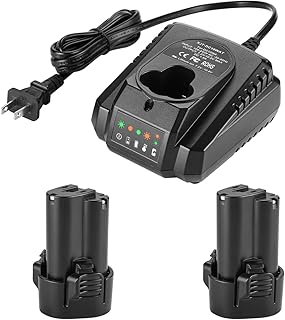
Cordless routers are a practical option for users who value mobility. Without a power cable connecting the tool to an outlet, you can move around a workbench or job site more freely. They can also be useful for installation and finishing work where access to mains power may be limited. Before choosing a cordless model, check battery compatibility, expected runtime and whether batteries or a charger are included with the particular product.
Compact routers are often chosen for trimming, edge profiling and other controlled woodworking tasks. Their manageable size can make them convenient for detail work, especially when precise handling is important. They are a popular choice for DIY projects, cabinet work, furniture repairs and finishing applications where a full-size router may be unnecessary.
Routing can play an important role in cabinetmaking, furniture construction and general woodworking. Depending on the cutter and setup, a router can create grooves, dados, rabbets, profiles and other details. For joinery, consistent depth adjustment and a stable base are especially important. Always select a router and bit combination appropriate for the intended material and application.
Power is one of the main factors to compare when selecting a router. A suitable power level can help maintain cutting performance during the intended application. However, maximum power is not the only consideration. Handling, weight, speed adjustment, depth control and overall ergonomics can influence how comfortable the tool is to use during longer projects.
Variable speed can be useful when working with different router bits and materials. Lower speeds may be appropriate for certain larger cutters, while higher speeds can suit other applications. Follow the manufacturer's recommendations for the router bit and material you are using. Matching the tool settings to the job can help support controlled and consistent routing.
A stable base helps keep the router controlled against the workpiece. Depth adjustment is equally important because it allows you to set the cutter to the required cutting depth. When comparing models, look at how easily the depth can be adjusted and locked. Clear controls can make repeated setup and adjustment more convenient.
If you already use compatible Makita cordless tools, staying within the same battery platform may be convenient. However, battery and charger requirements vary by product, so check the individual listing carefully before purchasing. For corded models, consider the available power supply and the length of cable needed for your workspace.
Canadian users can choose a Makita router according to their workshop setup, project requirements and preferred working style. A DIY user may prioritise compact handling and ease of setup, while a professional woodworker may focus more heavily on power, adjustment range and sustained performance. Comparing these factors can make it easier to narrow down the available options.
Think about your most common tasks before making a decision. If you mainly trim edges and work on smaller pieces, a compact router may be sufficient. If your projects involve heavier routing or frequent use, consider a model designed for the demands of those applications. Cordless designs can be especially attractive when portability is a priority.
The best Makita router is the one that matches your work rather than simply offering the highest specifications. Start by identifying your typical routing tasks, then compare power, speed, base configuration, depth adjustment and portability. Also check the included accessories and whether the router is supplied as a tool-only product or with batteries and charging equipment.
For Canadian shoppers, it is also sensible to review product specifications, availability and current pricing before ordering. Consider the accessories you may need, including compatible router bits, guides and other workshop equipment. With the right combination of router and accessories, you can approach trimming, profiling and joinery projects with greater control and consistency.
Find Makita routers designed for accurate trimming, edging, joinery and detailed woodworking projects. Whether you need a compact router for everyday workshop tasks or a cordless model for greater mobility, this category helps Canadian shoppers explore Makita router options for different applications. Compare suitable models and choose a router based on power, speed control, base design, portability and the type of material you plan to work with.