

♥ Wishlist


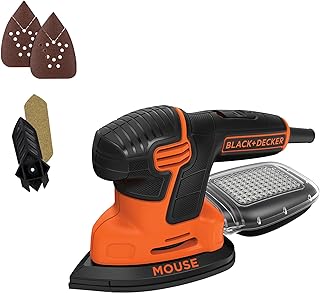




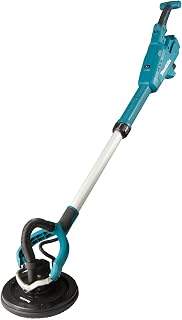


Makita sanders are designed to help users prepare, smooth and finish surfaces across a wide range of woodworking, renovation and construction applications. For Canadian shoppers, choosing the right sander starts with understanding the type of finish required, the material being worked on and how much sanding the project involves. This category brings together Makita sanding options so you can compare different designs and find a model suited to your work.
A random orbital sander is a versatile choice for many general sanding applications. Its sanding action is suitable for smoothing timber, preparing surfaces for paint or stain and removing minor imperfections. Random orbital models can be useful for both workshop projects and renovation work because they offer a practical balance between material removal and surface finishing. They are often a good option when you want one sander that can handle several common tasks.
For more controlled finishing work, a finishing sander can be a practical choice. These sanders are suited to smoothing flat surfaces and preparing wood before applying a coating. They can be particularly useful when working on cabinets, doors, furniture, shelving and other woodworking projects where an even finish matters. A finishing sander may also be easier to control when working close to edges and corners.
Detail sanders are designed for smaller areas and harder-to-reach sections. Their compact sanding pads can make them useful for corners, profiles, narrow surfaces and detailed restoration projects. If your project includes furniture with intricate sections or areas that are difficult to reach with a larger sanding pad, a detail-oriented Makita sander may provide the control you need.
Belt sanders are suited to applications where faster stock removal is important. They can be useful for larger timber surfaces, rough material preparation and demanding woodworking tasks. Because belt sanders can remove material quickly, users should select the appropriate abrasive and work carefully to achieve the desired result. They are generally better suited to projects where efficiency and material removal are priorities rather than delicate finishing.
Cordless Makita sanders can provide additional flexibility for Canadian jobsites, workshops and renovation projects. Without a power cord limiting movement, a cordless model can be convenient when working in different areas or locations where access to an electrical outlet is limited. Battery-powered tools can also help reduce cable clutter around the work area. When selecting a cordless sander, consider battery compatibility, expected runtime and the number of sanding tasks you plan to complete.
Corded electric sanders remain useful for workshop and stationary applications where continuous power is preferred. They can be a suitable option for longer sanding sessions because you do not need to stop to change or recharge a battery. If your projects are mainly completed in a workshop with convenient access to electrical power, a corded model may be worth considering.
Dust management is another important consideration when choosing a sander. Sanding can produce fine particles, so look for a model and dust-collection setup that suits your workspace. Depending on the design, a sander may work with a dust bag, collection container or compatible vacuum system. Effective dust collection can help keep the work area cleaner and improve visibility while sanding.
The sanding pad size and abrasive type also affect how a tool performs. Larger sanding surfaces can cover more area, while smaller pads can provide greater control in confined spaces. Different abrasive grits are used for different stages of a project. Coarser abrasives are generally used for more aggressive material removal, while finer grits are commonly used for smoothing and finishing. Always select abrasives appropriate for the material and application.
Canadian shoppers should also consider the conditions in which the tool will be used. A compact cordless sander may be convenient for mobile renovation work, while a corded model may make more sense for a dedicated workshop. If you regularly work on furniture, cabinetry or general woodworking, versatility and finishing control may be priorities. For larger timber preparation tasks, faster material removal may be more important.
Before choosing a Makita sander, compare factors such as sanding type, power source, pad size, speed control, dust collection, ergonomics and compatibility with available accessories. Think about whether your priority is detailed finishing, general-purpose sanding or rapid material removal. The right combination of features can make sanding more efficient and comfortable.
Explore the Makita Sanders category to compare available options for woodworking, renovation and surface preparation. Consider your project requirements first, then choose the sanding style and power format that best match your workflow. With the right sander and abrasive, you can work towards smoother surfaces and more consistent finishes across a wide range of projects in Canada.
Find the right Makita sander for woodworking, renovation, finishing and surface preparation projects in Canada. Makita offers sanding solutions designed for different materials, applications and working styles, from compact detail sanding to larger surface-finishing tasks. Whether you need a cordless model for flexible jobsite use or an electric sander for workshop work, this category makes it easier to explore your options in one place.