

♥ Wishlist
Compare 43 Makita Cordless Vacuums products in Canada. Reviews, ratings, pros, cons and buying advice updated for October 2026.


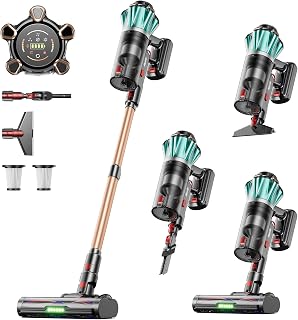


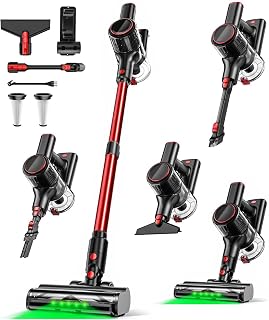


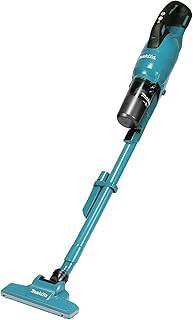


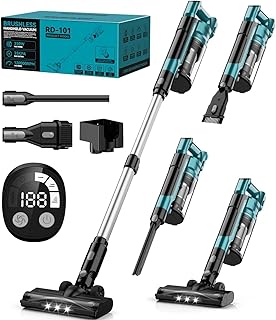

Choosing a Makita cordless vacuum is less about finding the most powerful-looking specification and more about matching the vacuum to the material, workspace, cleaning frequency, battery platform and filtration requirements. A compact vacuum that is ideal for detailed workshop cleanup may be a poor choice for collecting large quantities of sawdust, while a high-capacity jobsite model can be unnecessarily bulky for quick vehicle or household cleaning.
For Canadian buyers, it is also important to confirm the exact model specification for the local market before purchasing. Battery platforms, included accessories, package contents and model numbers can vary between markets. Always compare the Canadian product specification rather than assuming that a similarly named model sold elsewhere has identical equipment.
Makita cordless vacuums are commonly associated with its established battery ecosystems, particularly the 18V LXT platform and, on compatible equipment, the higher-output 40V max XGT system. The important point for a buyer is not simply the voltage printed on the product. The battery platform determines which batteries you can share with other compatible Makita tools, which can substantially affect the long-term value of a cordless vacuum.
Makita 18V LXT is a particularly relevant platform for users who already own compatible Makita cordless tools. A vacuum that accepts batteries already in your workshop can be considerably more convenient than introducing another battery ecosystem. When comparing an 18V model, examine whether the vacuum uses one battery or a two-battery configuration, whether the required batteries are included and what charger arrangement is supplied.
A single-battery compact vacuum can make sense for spot cleaning, detail work, vehicle interiors and short jobs. Dual-battery equipment can be more appropriate when runtime and sustained cleaning performance matter more than minimum weight.
Makita's 40V max XGT platform is designed for applications where higher output and demanding cordless work are priorities. Buyers should not automatically assume that a higher-voltage vacuum is the best option, however. A larger battery and more powerful machine can add weight, and the additional capability may not provide meaningful benefits for light-duty cleaning.
If your existing tool collection is already based around XGT, platform compatibility can be a strong reason to consider a compatible vacuum. If you are starting from scratch, compare the complete ownership cost, including batteries and chargers, rather than judging the vacuum by its bare-tool price.
For a precision-oriented vacuum, useful performance is not limited to maximum suction. Fine control, nozzle design, filtration, airflow management, compact dimensions and the ability to clean around delicate or confined areas can be equally important.
One of the most common cordless vacuum buying mistakes is treating suction power as the only meaningful performance metric. A vacuum has to move air effectively through the hose, filter, nozzle and collection system. A specification describing suction pressure can therefore tell only part of the performance story.
For fine-detail cleaning, nozzle design and controlled airflow can be more important than chasing the highest advertised suction figure. For heavier debris, the relationship between airflow, hose diameter and collection capacity becomes more significant. For dust extraction from power tools, compatibility with the tool's dust outlet and the vacuum's extraction configuration may matter more than general-purpose cleaning performance.
Fine dust can place greater demands on a vacuum's filtration system than ordinary household debris. Wood dust, construction dust and other fine particles can quickly load an unsuitable filter and reduce airflow.
When a product is described as having HEPA filtration, verify what the manufacturer actually specifies for that particular model. Do not assume that a HEPA label means every component of the filtration system performs identically across different Makita vacuum models.
Also consider filter maintenance. A highly efficient filter that is difficult to access or frequently becomes clogged may be less convenient in real-world use than a system designed for straightforward cleaning and replacement.
Collection design affects both operating convenience and running cost. Bagged systems can make disposal cleaner and can be useful when handling dusty materials. Bagless systems eliminate the need for replacement collection bags but require the user to empty the container and maintain the filtration components.
Before buying, check whether replacement bags, filters and other consumable components are readily identifiable for the exact Canadian model number. Consumables are part of the total ownership cost and should be considered alongside the initial purchase price.
Battery runtime varies with vacuum configuration, battery capacity, operating mode, filter condition, material being collected and how continuously the machine is used. A manufacturer runtime figure should therefore be treated as an indication under stated conditions rather than a guaranteed duration for every job.
For occasional cleanup, one compatible battery may be enough. For professional or workshop use, having multiple compatible batteries can be more practical than relying on a single large battery. Users who already operate several Makita cordless tools may also benefit from rotating batteries between tools during the working day.
A higher-capacity battery can extend operating time but normally adds weight. That trade-off becomes especially noticeable with handheld or backpack-style equipment. If the vacuum will frequently be carried up stairs, used overhead or moved around a vehicle, overall system weight deserves serious attention.
Compact models are suited to quick cleanup, vehicle interiors, workshops, offices and other situations where portability is more important than maximum capacity. They are easy to grab for short jobs and can be particularly useful when the user already owns compatible batteries.
The main compromises are usually collection capacity, sustained runtime and the ability to handle large volumes of debris.
Canister-style designs can offer a useful balance between portability and capacity. A hose allows the user to keep the main vacuum body away from the immediate cleaning area, while larger collection systems can reduce the frequency of emptying.
These models can be attractive for workshop applications where a compact handheld vacuum is too limited but a corded extractor is inconvenient.
Backpack designs prioritize mobility. They can be useful for cleaning large areas, stairs, vehicles or workspaces where repeatedly carrying a conventional canister becomes tiring.
The buyer should pay close attention to harness adjustment, total loaded weight, hose routing and battery placement. A vacuum that looks efficient on paper can become uncomfortable if its weight distribution does not suit the user's working position.
A dust extractor is a different category from a basic portable vacuum. If the primary purpose is collecting dust directly from a sander, saw, router or other power tool, look for suitable extraction connections, hose compatibility, filtration characteristics and automatic or coordinated operation where applicable.
For woodworking and renovation applications, matching the extractor to the tool and dust type is often more important than selecting the most versatile-looking general-purpose vacuum.
Wet/dry capability is model-specific. A cordless vacuum should never be used for liquid collection simply because another vacuum in the same product family supports wet pickup.
Before purchasing, verify the exact manufacturer's instructions for the model under consideration. If wet pickup is important, confirm the approved operating configuration, liquid capacity, filter requirements and any restrictions that apply after collecting liquids.
Woodworking creates a mixture of chips, shavings and fine airborne dust. A precision-oriented cleanup system should therefore be selected according to the type of work being performed rather than based solely on container size.
Construction debris can be substantially more demanding than ordinary household dirt. Fine drywall dust, wood particles, concrete residue and larger debris can place significant loads on filters and collection systems.
Before selecting a vacuum for renovation work, identify exactly what materials will be collected. Not every vacuum is designed for every type of construction dust, and specialized extraction equipment may be required for certain hazardous or regulated materials. Always follow the manufacturer's safety instructions and applicable Canadian workplace requirements.
A vacuum's accessory set can change how useful it is in practice. Two machines with similar headline specifications can provide very different value if one includes the tools needed for your normal applications.
Check the included accessories rather than assuming that every attachment shown in product photography is included in the package.
Noise becomes particularly important when a vacuum is used indoors, around customers or for extended periods. Published noise specifications can provide a useful comparison, but the practical experience also depends on the operating mode, surface, nozzle and surrounding environment.
Weight is equally important. For handheld use, even a modest difference can affect fatigue. For canister models, wheel design and hose flexibility influence maneuverability. For backpack models, harness adjustment and weight distribution deserve special attention.
For professional users, durability should be evaluated as a complete system rather than by brand reputation alone. Inspect the construction of the collection container, hose connection, battery interface, filter housing, latches and accessory mounts.
Makita is an established power-tool brand, but individual vacuum models are still designed for different applications. A compact consumer-oriented unit should not be judged by the same workload expectations as a professional dust extractor.
Makita cordless equipment is often sold in configurations that differ in whether batteries and chargers are included. A bare-tool package can be attractive if you already own compatible batteries and a suitable charger.
If you do not already have the required battery platform, calculate the complete system cost before comparing deals. A seemingly inexpensive vacuum can become significantly more expensive once the necessary batteries and charger are added.
When two models appear similar, compare them in the following order:
Maximum suction is not a complete measure of cleaning performance. Airflow, nozzle design, filtration and the application itself all matter.
Buying a vacuum that uses a battery system you do not otherwise own can increase the total cost and add another charger and battery ecosystem to your workshop.
Attachments, hoses and adapters can vary by model. Verify compatibility with the exact vacuum and the power tools you intend to connect.
A compact vacuum can be excellent for quick jobs but frustrating when used for continuous workshop cleanup. Frequent emptying can interrupt work and increase filter-maintenance demands.
A larger and more powerful machine is not automatically a better purchase. For light cleaning, lower weight and easy handling can be more valuable than maximum output.
Filtration systems vary between models and applications. Check the manufacturer's specification for the exact product rather than relying on the Makita name alone.
Makita should also be compared with other established tool manufacturers when selecting a professional or workshop vacuum. Brands such as Milwaukee, DEWALT, Bosch, RIDGID and Ryobi offer cordless equipment across different tool ecosystems and price segments.
The best choice is often determined by the battery platform you already own. If your workshop is heavily invested in Makita batteries, a compatible Makita vacuum can provide a straightforward ecosystem advantage. If your tools are primarily from another manufacturer, compare the total cost of adding a new battery platform against staying within your existing system.
For buyers deciding between Makita and Milwaukee, battery compatibility should be one of the first considerations. Compare the specific vacuum models rather than making a brand-wide assumption about suction, runtime or durability.
Also compare accessories, collection capacity, filter systems, battery requirements and ergonomics. The better choice is the model that fits the intended application and existing tool collection.
DEWALT is another major cordless-tool ecosystem worth considering for Canadian workshops and jobsites. The comparison should focus on individual models and complete package configurations.
Users already invested in Makita LXT or XGT equipment may place a high value on battery interchangeability, while users already committed to DEWALT's compatible battery system may find the opposite to be true.
Bosch and RIDGID also have products aimed at workshop, construction and general cleanup applications. When comparing these brands with Makita, look beyond the headline suction specification. Dust-management features, filter design, collection method, hose compatibility, battery availability and replacement consumables can have greater long-term importance.
Canadian shoppers should check the exact Canadian model number, package contents and electrical specifications before ordering. Do not rely solely on product descriptions copied between marketplaces because package configurations can change.
For online purchases, compare the listed condition, included batteries, charger configuration, accessories and seller information carefully. A product advertised as a “kit” can contain substantially different equipment from a bare-tool listing carrying a similar product name.
Canadian buyers should also account for seasonal promotions and changing retailer pricing. Because prices and inventory can change, the most useful comparison is based on the current total package rather than an old advertised price.
Routine maintenance helps preserve airflow and makes a cordless vacuum easier to use over time. Always follow the instructions supplied with the specific model.
Runtime can often be improved by keeping filters clean, avoiding unnecessary continuous operation and selecting the appropriate operating mode for the job. A clogged filter can restrict airflow and make the vacuum work less effectively.
For demanding workdays, maintaining several compatible batteries can be more practical than expecting one battery to handle every task. If multiple Makita cordless tools are already part of your setup, a shared battery pool can simplify workflow planning.
A cordless Makita vacuum is not automatically the best solution for every application. If you need continuous high-volume dust collection, a corded shop vacuum or dedicated dust collector may provide a more appropriate solution. If you primarily need household floor cleaning, a purpose-designed household cordless vacuum may offer a better combination of floor-head design, capacity and convenience.
Similarly, hazardous dust requires careful equipment selection. Do not use a general-purpose vacuum for materials or environments outside its stated application.
| User or application | Features to prioritize |
|---|---|
| Quick workshop cleanup | Compact size, convenient emptying, compatible battery, useful crevice and brush attachments |
| Vehicle cleaning | Low weight, flexible hose, narrow nozzle, easy storage and good battery convenience |
| Woodworking | Fine-dust filtration, suitable extraction connections, adequate capacity and accessible filter maintenance |
| Construction cleanup | Appropriate filtration, durable construction, suitable capacity and jobsite-compatible accessories |
| Large-area cleaning | Runtime, battery availability, comfortable carrying system and efficient collection capacity |
| Occasional DIY use | Reasonable total cost, compact storage, versatility and compatibility with existing batteries |
Product specifications can appear complicated because manufacturers may publish different measurements for different purposes. Focus on specifications that directly correspond to your intended work.
The best model depends on the intended application, battery platform, required runtime, filtration needs, collection capacity and budget. A compact model may be ideal for quick cleanup, while a larger extractor can be better for sustained workshop or construction applications.
They can be suitable for workshop cleanup when the selected model matches the type and volume of debris. For power-tool dust extraction, check hose connections, filtration requirements and the manufacturer's intended application rather than treating every cordless vacuum as a dedicated dust extractor.
Consider the battery ecosystem you already own and the workload you expect. An 18V LXT model can make sense for users already invested in LXT equipment, while an XGT-compatible model may be worth considering when higher-output equipment and the XGT platform fit the application.
Some models are designed for fine-dust applications, but filtration performance is model-specific. Check the manufacturer's specifications for the exact vacuum, filter and intended material before collecting fine dust.
Many suitable models can be used for ordinary sawdust and woodworking debris within their specified applications. For fine sanding dust or direct power-tool extraction, filtration and connection compatibility become particularly important.
Package contents vary. Some listings are sold as bare tools while others can include batteries, chargers or additional accessories. Always inspect the exact package contents before comparing prices.
No. Higher voltage does not automatically make a vacuum better for every application. The appropriate platform depends on the required performance, runtime, weight and compatibility with the batteries you already own.
There is no single interval suitable for every model or application. Filter condition should be checked regularly, particularly when collecting fine dust. Follow the maintenance procedure and replacement interval specified for the exact model.
Some are designed for jobsite and construction applications, but the correct choice depends on the dust and debris involved. Buyers should verify filtration, extraction classification where applicable, capacity and manufacturer-approved applications before use.
Look beyond star ratings. Compare the model's specifications, intended application, battery requirements, filtration system, collection capacity, included accessories, weight and long-term consumables. Verified customer feedback can be useful for identifying recurring usability issues, but specifications should be checked against the manufacturer's current information.
Before choosing a Makita cordless vacuum, confirm the model number and then work through the complete specification rather than relying on a headline feature. The strongest choice should provide enough cleaning performance for your materials, appropriate filtration for your application, adequate collection capacity, acceptable weight and useful battery runtime.
The right Makita cordless vacuum is the one that fits the work rather than simply the one with the longest feature list. Existing Makita users should give serious consideration to battery compatibility, while workshop and professional users should focus on filtration, extraction capability, capacity and sustained usability. For occasional cleanup, portability and convenience may matter more.
When comparing the top options in this guide, check the latest Canadian specifications, current package contents and verified customer feedback before making a purchase. Prices, promotions, inventory and included accessories can change throughout 2026, so the most reliable buying decision comes from comparing the complete current specification and total ownership requirements of each model.