

♥ Wishlist
Compare 16 Makita Metal Cutting Saws products in Canada. Reviews, ratings, pros, cons and buying advice updated for October 2026.
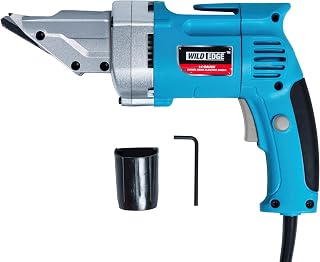


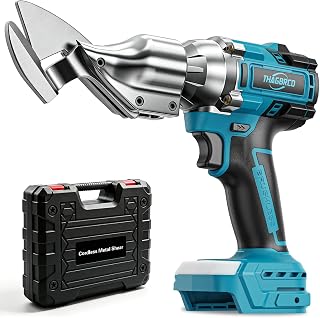


Choosing a precision metal cutting saw is less about finding the biggest motor or the highest advertised speed and more about matching the cutting mechanism to the material, stock size, work environment and required finish. Makita's Canadian range includes dedicated metal-cutting circular saws, portable band saws, carbide-tipped cold-cutting saws and abrasive cut-off saws, so products that appear similar in search results can behave very differently in actual fabrication work.
For Canadian buyers, the most important distinction is whether the job calls for a stationary saw for repeatable shop cuts, a compact cordless saw for sheet metal and light structural work, a portable band saw for pipe and channel, or a high-capacity cut-off saw for heavier stock. The right choice can improve cut quality, portability, consumable life and overall jobsite efficiency.
Makita's Canadian catalogue confirms that the LC1230 sits in a different category from models such as the DCS552Z and DCS553Z, while the DPB183Z and DPB184ZB are portable band saws and the LW1400, LW1401 and DLW140Z are 14-inch cut-off saws. This distinction is important when comparing a list of the “best Makita metal cutting saws,” because these machines are designed for different applications rather than being direct substitutes.
The Makita LC1230 is one of the clearest choices to consider when “precision metal cutting” means controlled, repeatable cuts from a bench or fabrication area. It uses a 12-inch carbide-tipped blade and is designed specifically as a portable metal cutting saw rather than a general-purpose wood saw adapted for occasional metal work.
Makita Canada lists a 12-inch blade, 1-inch arbor, 1,700 RPM no-load speed, 15-amp 120V motor and a maximum cutting capacity of 4-1/2 inches at 90 degrees for applicable round material. At 45 degrees, the listed capacity is 3-1/2 inches. The saw also incorporates a quick-release vise and tool-less guide-plate adjustment for mitre cutting. These specifications make the LC1230 particularly relevant to users who value repeatability and controlled setup. :contentReference[oaicite:0]{index=0}
The carbide-tipped approach is an important part of the LC1230's appeal. Compared with a conventional abrasive chop saw, a suitable carbide-tipped metal-cutting blade can produce a different cutting experience, particularly where reducing excessive heat, sparks and burr formation is important. Blade selection remains critical, however; a metal-cutting blade must be appropriate for the material and saw.
For users already invested in the Makita 18V LXT platform, the DCS552Z and DCS553Z deserve attention because they are dedicated cordless metal-cutting circular saws rather than modified woodworking saws.
The DCS552Z uses a 5-3/8-inch blade, reaches 3,600 RPM without load and has a maximum cutting capacity of 2 inches. Makita specifies applications including channel, corrugated steel, conduit, pipe, sheet metal, square tubing and angle iron. It also has a built-in dust box intended to collect metal chips and an electric brake. :contentReference[oaicite:1]{index=1}
The brushless DCS553Z moves to a 5-7/8-inch blade and a 4,200 RPM no-load speed, with a maximum cutting capacity of 2-1/4 inches. It adds Makita's Automatic Torque Drive Technology, brushless motor and XPT protection features. Its compact dimensions and relatively low tool weight make it especially interesting for mobile metalworking. :contentReference[oaicite:2]{index=2}
A portable band saw should not automatically be treated as an inferior alternative to a metal-cutting circular saw. Its cutting action is fundamentally different. The continuous band blade can be particularly useful for pipe, conduit, channel, strut and other stock where controlled handheld cutting is more important than producing a large, straight chop-saw-style cut.
The DPB184ZB is an 18V LXT brushless sub-compact portable band saw. Makita lists it for one-handed overhead cutting and small-diameter pipe, channel and strut. It accepts 1/2-inch by 28-3/4-inch band saw blades and provides a listed cutting capacity of 2 inches for round and square material. Its net tool weight is approximately 6.4 lb. :contentReference[oaicite:3]{index=3}
Its sub-compact format can be advantageous for installers working above shoulder height or in crowded mechanical spaces. A portable band saw can also reduce the need to bring a large stationary machine to the material.
The DPB183Z is another 18V LXT brushless portable band saw, but it provides a larger listed cutting capacity than the sub-compact DPB184ZB. Makita lists a 2-5/8-inch capacity for both round and square material, a 0–630 ft/min blade speed range and a 7.1 lb net tool weight. :contentReference[oaicite:4]{index=4}
For buyers comparing these two band saws, the decision should not be based only on the word “brushless.” Compare maximum material size, tool dimensions, overhead ergonomics, blade availability and the frequency with which the saw will be used in confined spaces.
Makita's LW1400, LW1401 and DLW140Z occupy another part of the metal-cutting spectrum. These are 14-inch cut-off saws intended for larger material and use abrasive wheels. They can be appropriate where high capacity and straightforward production cutting are more important than the cleaner cutting characteristics associated with a carbide-tipped cold-cutting saw.
The LW1401 is a corded 14-inch portable cut-off saw with a 15-amp 120V motor, 3,800 RPM no-load speed and a listed 5-inch cutting capacity at both 90 and 45 degrees. It uses an adjustable two-position guide plate and includes a quick-release vise and adjustable depth stop. :contentReference[oaicite:5]{index=5}
The adjustable depth stop is particularly relevant for repeatable production work. If several pieces need to be cut to the same geometry, repeatability can be more important than simply choosing a machine with the largest blade.
The LW1400 adds tool-less wheel changing and a tool-less three-position guide-plate adjustment. Makita lists a 5-inch round cutting capacity and a 37.9 lb net weight. It also includes a quick-release vise and a larger spark guard. :contentReference[oaicite:6]{index=6}
The LW1400 can therefore be an attractive option for buyers who value faster setup and wheel changes. The abrasive cutting method still needs to be evaluated against the material and workplace requirements before purchase.
The DLW140Z takes the 14-inch cut-off format into the 36V class by using two 18V LXT batteries. Makita lists a brushless motor, electric brake, soft-start functionality, load-status indication, tool-less wheel changing, quick-release vise and a 5-inch round cutting capacity. The tool-only version does not include batteries or a charger. :contentReference[oaicite:7]{index=7}
For Canadian tradespeople already operating a large 18V LXT battery inventory, this cordless format can make logistical sense where extension cords are inconvenient. Battery cost and the weight of the complete tool-and-battery setup should still be included when comparing ownership value.
Users who need a cordless portable band saw but are building around Makita's 40Vmax XGT platform can also consider the PB002GZ. Makita describes it as a brushless portable band saw with variable speed, constant-speed control, electric brake, an adjustable stopper plate and an aluminium die-cast frame. :contentReference[oaicite:8]{index=8}
The key purchasing question is not simply whether XGT is “better” than LXT. The better platform is the one that matches the user's existing battery investment, required cutting capacity, duty cycle and tool mix. A buyer starting from scratch should compare the complete ecosystem rather than looking at the saw in isolation.
Precision is not one specification. It is the combined result of blade quality, material support, vise design, guide adjustment, machine rigidity, cutting speed, operator control and the ability to repeat the same setup accurately.
A rigid blade and stable arbor reduce unwanted movement during the cut. For stationary saws, the relationship between blade, spindle, guard, vise and base is particularly important. For handheld saws, ergonomics and the operator's ability to maintain the intended cutting line become more significant.
A strong vise is one of the most overlooked features in a metal cutting saw. If tubing or angle iron shifts while cutting, even an excellent blade cannot produce a consistently accurate result. Look for a clamping system that is quick to adjust while still providing firm support.
For mitre work, the guide or fence should provide clear, repeatable angle settings. Tool-less adjustment is convenient, but convenience should not replace rigidity. The guide needs to remain secure under cutting forces.
Never judge capacity solely by blade diameter. The actual maximum depends on the material's shape, cutting angle and the manufacturer's stated capacity. A 14-inch abrasive saw and a 12-inch carbide-tipped saw can therefore have very different real-world strengths.
This is one of the most important buying decisions.
Makita's Canadian accessory documentation illustrates why consumable selection matters. The company's metalworking information lists different dry-cutting carbide blades for mild steel, angle iron, tubing, stainless steel and thin mild steel, with different tooth counts and recommended applications. :contentReference[oaicite:9]{index=9}
Buying the correct saw but fitting an unsuitable blade can undermine the entire investment. Tooth geometry, tooth count, blade diameter, arbor size, maximum RPM and material compatibility all need to be checked before installation.
Corded machines remain compelling for fixed fabrication areas where uninterrupted power is available. They eliminate battery-management considerations and can be especially practical for high-volume stationary cutting.
Cordless machines become more attractive when the saw travels between work areas. A contractor already using Makita 18V LXT batteries may gain substantial logistical convenience from an LXT metal-cutting circular saw or portable band saw. Users with heavier cutting requirements may instead prefer the two-battery 36V LXT category or the 40Vmax XGT ecosystem.
A larger blade does not automatically mean a more precise saw. Compare the actual cutting capacity, material geometry, blade type and intended application.
Metal-cutting circular saws are designed around the demands of cutting metal. Do not assume that a standard woodworking circular saw can simply be fitted with any metal blade.
For stationary saws, material clamping has a major influence on repeatability. A powerful motor cannot compensate for poorly supported stock.
Tool-only cordless prices can look attractive until the cost of batteries and a charger is added. If you are already invested in LXT or XGT, platform compatibility may significantly change the value calculation.
Metal type, thickness and geometry all affect blade selection. Always verify the manufacturer's recommendations before purchasing replacement blades.
A saw that handles round bar well may have a different practical capacity for rectangular tubing, angle iron or channel. Always compare the actual material profile rather than relying on a single capacity number.
Abrasive saws and some metal-cutting operations produce hot particles and debris. The cutting environment needs to be appropriate for the chosen method, with suitable clearance and protective measures.
Metal cutting can create sharp chips, hot particles, noise, vibration and potentially hazardous dust or fumes depending on the material and process. Read the specific Makita instruction manual for the model and blade being used before operation.
Regular maintenance is particularly important for metalworking equipment because chips, abrasive debris and fine particles can accumulate around moving parts and ventilation areas.
Replace damaged, excessively worn or otherwise unsuitable cutting consumables. Do not continue using a blade simply because it technically still rotates.
Remove accumulated chips from the saw, vise, guide area and surrounding work surface. For cordless metal-cutting circular saws with integrated chip collection, empty the collection area according to the manufacturer's instructions.
Make sure the clamping mechanism remains secure and the guide plate is correctly positioned. Any looseness can affect repeatability and cutting accuracy.
For corded machines, inspect the power cord and plug regularly. For cordless tools, check battery contacts, battery condition and the tool's protection system. Never use damaged batteries or chargers.
Some corded Makita saws use serviceable carbon brushes. The LC1230, for example, has externally accessible carbon brushes. Follow the manufacturer's service guidance rather than replacing components based solely on a generic maintenance interval. :contentReference[oaicite:10]{index=10}
These are use-case distinctions rather than claims that one model is universally superior. The correct choice depends heavily on material, stock dimensions, work location and existing tools.
Makita's cordless metalworking range spans multiple battery systems. The 18V LXT platform includes compact metal-cutting circular saws and portable band saws, while larger equipment can use two 18V LXT batteries. The 40Vmax XGT platform provides another option for users who need tools designed around that higher-voltage system.
For a buyer already owning several Makita tools, platform compatibility can be more valuable than choosing a theoretically higher-powered machine. Batteries, chargers, cases and other accessories represent part of the total ownership cost, so compare complete setups rather than tool-only prices.
Canadian listings can vary by tool-only configuration, kit configuration and included accessories. Before ordering, carefully verify the exact model number and what is included.
Makita model numbers can identify meaningful differences in motor technology, battery configuration, included accessories and tool design. For example, DCS553Z and DCS552Z are both 18V LXT metal-cutting circular saws, but their specifications and motor technology differ. Likewise, DPB184ZB and DPB183Z are both portable band saws but have different dimensions and cutting capacities. :contentReference[oaicite:11]{index=11}
When comparing prices on Canadian retailer sites, match the complete model number instead of comparing product names alone. This helps prevent accidentally comparing a tool-only version with a kit or comparing different generations of equipment.
A workshop user generally benefits from a different machine than a field installer. In a fabrication shop, the saw can remain mounted in a dedicated area, material can be staged nearby and repeatable cuts can justify a heavier machine. On a construction site, carrying weight, battery compatibility and access can dominate the purchasing decision.
Prioritise repeatability, clamping, guide accuracy, cutting capacity, consumable availability and long-term serviceability. A corded carbide-tipped saw such as the LC1230 can be particularly relevant where controlled stationary cutting is the primary task.
Portability becomes much more important. A compact metal-cutting circular saw or portable band saw may be more useful than a large stationary machine because the cutting tool has to move with the worker.
Consider the variety of materials you encounter. If the work includes larger steel stock and frequent production cuts, a 14-inch cut-off saw may make more sense. If most work involves conduit, pipe and lighter structural pieces, a compact cordless metal saw or band saw can be easier to manage.
There is no universal best model. For stationary precision-oriented cutting, the LC1230 is a particularly relevant model because it is a dedicated 12-inch portable metal cutting saw using a carbide-tipped blade and a quick-release vise. For portable cordless work, the DCS553Z or DCS552Z may be more appropriate, while pipe and overhead applications can favour a portable band saw.
The LC1230 uses a carbide-tipped metal-cutting blade and is marketed by Makita Canada as a cold-cutting metal saw. Its design is different from an abrasive-wheel cut-off saw. :contentReference[oaicite:12]{index=12}
The LC1230 is a 12-inch carbide-tipped metal cutting saw, while models such as the LW1400 and LW1401 use 14-inch abrasive wheels. The LC1230 is therefore oriented toward a different cutting method and cutting experience, whereas the 14-inch models emphasise larger abrasive-wheel capacity. :contentReference[oaicite:13]{index=13}
Makita lists the DCS553Z for pipe, conduit, channel, corrugated steel, sheet metal, square tubing and angle iron. The maximum listed cutting capacity is 2-1/4 inches, so the exact pipe size and wall geometry should be checked before purchase. :contentReference[oaicite:14]{index=14}
Compact cordless models and portable band saws are generally easier to carry than stationary cut-off machines. The DPB184ZB, for example, has a listed net weight of approximately 6.4 lb, while the DCS552Z is listed at approximately 4.6 lb. Battery weight should be considered when evaluating the complete cordless setup. :contentReference[oaicite:15]{index=15}
Yes, that is one of their intended use cases. Makita specifically describes the DPB183Z and DPB184ZB as suitable for overhead cutting applications, with the DPB184ZB positioned as a sub-compact option for one-handed overhead work. :contentReference[oaicite:16]{index=16}
Choose according to the tools and batteries you already own, the cutting capacity required and the specific saw available in each platform. LXT offers several compact metal-cutting and band-saw choices, while XGT includes larger cordless equipment such as the PB002GZ. :contentReference[oaicite:17]{index=17}
No. Blade design, tooth geometry, material compatibility, cutting capacity and the machine's intended cutting method are equally important. A carbide-tipped metal saw and an abrasive cut-off saw can operate at very different speeds while both being appropriate for their respective applications.
No. Blade diameter, arbor size, maximum RPM, guard clearance and the manufacturer's intended application all need to be compatible. Use only blades specified for the particular saw and material being cut.
Check the exact model number, cutting capacity, blade type, power source, battery platform, included accessories, tool-only versus kit configuration, current Canadian documentation and the availability of suitable replacement blades or wheels.
The best precision Makita metal cutting saw is the one whose cutting method matches the job. A stationary fabrication user looking for controlled repeatability should examine the LC1230 closely. A mobile tradesperson working with conduit, tubing and sheet metal may benefit more from the DCS552Z or brushless DCS553Z. Users regularly cutting pipe, channel and strut overhead should consider the DPB184ZB or DPB183Z portable band saws. For larger abrasive cutting applications, the LW1400, LW1401 and DLW140Z belong in the comparison.
Before purchasing, compare the exact Canadian model configuration rather than relying on a generic product name. Pay particular attention to cutting capacity, blade compatibility, vise design, power source, battery platform, tool weight and consumable requirements. Then compare current retailer prices and verified customer feedback against the manufacturer's specifications.
Most importantly, do not choose a metal saw solely because it appears high-powered or because it has the largest blade. Precision comes from the complete cutting system: the blade, saw, workpiece support, guide, clamping method and operator technique. Matching those elements to the actual material and job is the most reliable way to choose a Makita metal cutting saw for Canadian work in 2026.