
♥ Wishlist
Compare 8 Power Tool Sets for Canadian DIYers & Professionals products in Canada. Reviews, ratings, pros, cons and buying advice updated for October 2026.
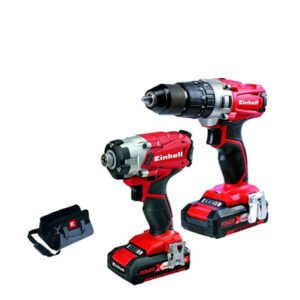
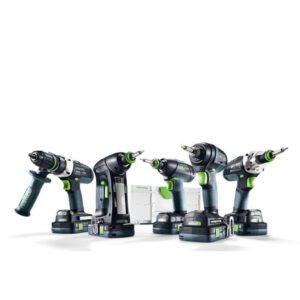
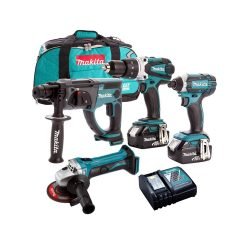
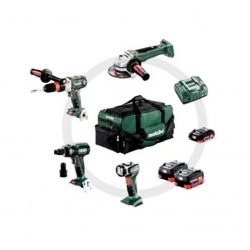
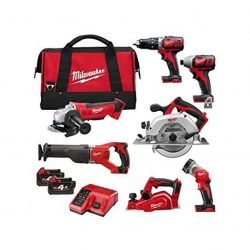
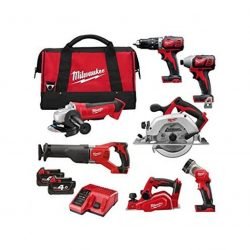


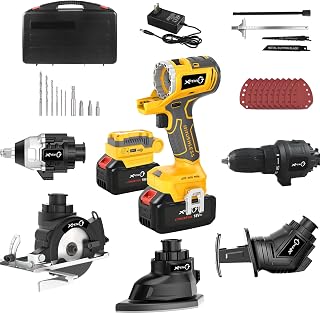
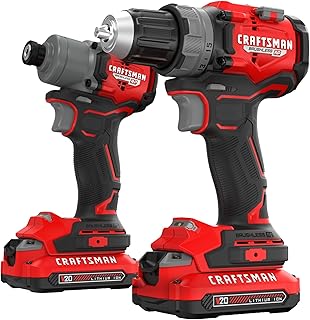
Choosing a precision power tool set is less about buying the largest collection of tools and more about selecting a coordinated system that matches the work you actually perform. A well-designed set can combine a compact drill or driver, impact driver, saw, oscillating multi-tool, grinder, work light, batteries and charger while keeping batteries interchangeable across compatible tools.
For Canadian buyers, the decision also involves voltage compatibility, battery platform availability, charger compatibility, cold-weather considerations, replacement battery costs, tool ergonomics and the availability of accessories and replacement parts. A set that looks attractive because it contains many tools may not represent the best value if several of those tools will rarely be used.
The strongest buying decision normally comes from comparing the complete system rather than the headline tool count. Consider the included tools, battery capacity, charger type, motor technology, torque or speed controls, accessory compatibility, case or storage solution and the manufacturer's broader cordless platform.
Precision-oriented power tools are designed to provide greater control over speed, torque, positioning, cutting or fastening. This matters when working with cabinetry, furniture, trim, electrical installations, woodworking, repairs, renovation projects, model construction or other applications where excessive force can damage the material.
Precision does not necessarily mean that a tool must be small. A full-size drill can provide excellent control when it has a responsive trigger, useful speed range, reliable clutch settings and a well-balanced design. Similarly, a compact impact driver can be more suitable for controlled fastening than a larger high-output model when working with smaller fasteners.
When comparing precision power tool sets, pay particular attention to controllability rather than focusing only on maximum power. Features such as variable-speed triggers, electronic controls, multiple operating modes, adjustable clutches, brushless motors and compact tool designs can make a substantial difference in practical use.
A drill/driver is often the foundation of a versatile power tool kit. Look for a model with a two-speed gearbox, variable-speed trigger and a multi-position clutch. These features make it easier to switch between drilling and controlled fastening.
A precision-focused drill should allow the user to reduce speed when starting a hole, driving smaller screws or working near delicate surfaces. A higher torque setting can then be selected when larger fasteners or tougher materials require additional power.
An impact driver is useful for repetitive screw driving, construction fastening and applications where a conventional drill may struggle with longer fasteners. For precision work, however, excessive torque can become a disadvantage.
Look for selectable speed or fastening modes where available. Lower-power settings can help reduce stripped screw heads, damaged fasteners and over-driving. A compact impact driver may also offer better access in cabinets, framing connections and confined spaces.
An oscillating multi-tool can add significant versatility to a set. Depending on the compatible accessories, it can be used for plunge cuts, flush cuts, scraping, sanding and detail work.
For precision applications, accessory compatibility is particularly important. Compare the available blade and sanding options before buying because the usefulness of the tool depends heavily on the accessories that can be fitted to it.
A compact circular saw can be useful for controlled cuts in sheet goods, boards and renovation materials. When comparing models, examine cutting depth, blade diameter, base stability, visibility of the cut line and adjustment mechanisms.
A good saw should make it straightforward to set the desired depth and maintain a stable cutting position. For precision work, ease of adjustment can be more important than maximum cutting capacity.
A reciprocating saw is primarily a demolition and rough-cutting tool, so it is not normally the first choice for delicate precision work. Nevertheless, it can be a valuable component in a larger renovation-oriented kit.
If a set includes one, consider whether its presence actually adds useful capability to your projects. Buyers focused on cabinetry, electronics or fine woodworking may benefit more from a different tool than from a high-output reciprocating saw.
An angle grinder expands the range of applications available from a multi-tool kit, particularly for metal preparation, cutting and grinding when the appropriate wheel or disc is installed. For controlled work, electronic speed control and ergonomic handling can be useful features where offered.
Always match discs, wheels and accessories to the tool and material according to the manufacturer's instructions. Grinder accessories can have different operating requirements, and compatibility should never be assumed simply because an accessory physically fits.
A work light may appear less important than another power tool, but good illumination can directly affect precision. Adjustable lights can help when drilling, fastening, cutting or inspecting work in cabinets, basements, garages and other poorly illuminated locations.
Motor technology is one of the most useful technical distinctions when comparing modern cordless power tool sets. Brushless motors eliminate conventional motor brushes and are commonly associated with improved efficiency, reduced maintenance requirements and better electronic control.
Brushed tools can still be perfectly appropriate for occasional DIY work, especially when their purchase price or overall kit value is attractive. However, frequent users may find a brushless platform more appealing because the technology is widely used in higher-end cordless systems.
Do not automatically assume that a brushless label makes one tool superior in every respect. Compare the complete specification, ergonomics, control system, battery platform and intended application rather than using motor type as the only purchasing criterion.
For cordless precision power tools, the battery platform can determine the long-term value of the entire purchase. Once you own several compatible tools, adding another bare tool can be considerably more convenient than purchasing another charger and battery ecosystem.
Popular professional and consumer-oriented platforms from brands such as DeWalt, Milwaukee, Makita, Bosch, Ryobi, RIDGID, FLEX and Metabo HPT offer broad families of compatible cordless equipment. The exact compatibility rules vary by platform and generation, so check the manufacturer's specifications before assuming that every battery works with every tool carrying the same brand name.
Consider the platform's range of drills, drivers, saws, lights, sanders, grinders, outdoor equipment and specialty tools. A smaller initial kit can be the smarter choice if it places you inside a platform that supports the tools you expect to need later.
A battery's amp-hour rating indicates its energy capacity, but it should not be treated as a simple measure of overall tool performance. Runtime depends on the tool, workload, operating conditions and battery technology.
Smaller batteries can make compact drills and drivers easier to handle, especially when working overhead or in tight spaces. Larger batteries can be useful for saws, grinders and other high-demand tools where longer runtime is more important than minimizing weight.
A balanced kit may therefore benefit from having more than one battery size. A compact battery can stay on a drill or impact driver while a higher-capacity pack is reserved for heavier tools.
Canadian shoppers may encounter cordless systems marketed using labels such as 18V and 20V. The voltage terminology used in product marketing can differ between brands and regions, so comparing the printed voltage number alone is not a reliable way to determine which tool is more powerful.
Instead, compare the complete system, including motor design, electronic controls, battery technology, tool specifications and intended application. Two products with different nominal voltage labels can occupy a similar practical category.
A responsive variable-speed trigger allows the operator to begin slowly and increase speed progressively. This can improve control when starting drill holes, driving screws or positioning a cutting accessory.
Multiple electronic speed modes can make one tool more adaptable to different materials and fasteners. Lower speeds are often useful when control is more important than rapid material removal.
A clutch can limit the amount of driving force applied during fastening. This is particularly useful when working with smaller screws or materials that can easily be damaged by excessive torque.
Integrated LEDs can improve visibility around the chuck, fastener or cutting area. Multiple LEDs or thoughtfully positioned lighting can reduce shadows, although actual visibility depends on the tool design and working environment.
Electronic braking can stop a rotating accessory quickly after the trigger is released. It can make a tool feel more controlled during repetitive work, although the exact braking behaviour differs between models.
For drilling and fastening tools, the chuck should be considered alongside the motor. A quality chuck should securely hold compatible bits while allowing straightforward bit changes.
Also examine whether the set uses standard accessories or proprietary components. Widely supported accessory formats can make future replacements easier to source. For oscillating tools, saws and grinders, accessory compatibility can have an even larger effect on long-term usefulness.
A tool that is technically powerful but uncomfortable to hold may be difficult to control during detailed work. Weight distribution, grip shape, trigger position and battery placement all influence handling.
Pay particular attention to balance when comparing cordless drills and drivers. A battery positioned directly below the grip may feel different from one that extends significantly behind the handle. Neither configuration is universally best; the important factor is whether the tool remains stable and comfortable for the intended task.
For overhead work, a lighter compact tool can reduce fatigue. For heavy fastening or drilling, additional weight may sometimes make the tool feel more stable. Match the design to the application rather than simply selecting the lightest available model.
A common mistake is assuming that a 10-tool kit is automatically better value than a 5-tool kit. The additional tools have value only when they perform jobs you actually need.
For example, a homeowner who primarily performs furniture assembly, repairs and occasional renovation may gain more from a drill, impact driver, compact saw, oscillating tool and light than from a larger kit filled with specialist demolition equipment.
Conversely, someone completing extensive renovation work may value a reciprocating saw, grinder and larger saw more than compact specialty tools.
Before comparing kit prices, make two lists: tools you need immediately and tools you are likely to purchase within the next few years. A kit becomes much more compelling when it covers most of the first list without adding many unwanted tools.
DIY-oriented sets can make sense for homeowners who use their tools intermittently. Compact designs, straightforward controls and a reasonable selection of core tools may be more useful than maximum output.
For occasional projects, the overall ownership cost should include batteries, accessories and replacement components rather than focusing exclusively on the initial kit price.
Professionals may place greater emphasis on durability, runtime, ergonomics, serviceability and the depth of the cordless platform. Daily users also have a stronger reason to prioritize efficient battery charging and a selection of tools that can share batteries.
Brands such as Milwaukee, DeWalt, Makita, Bosch and other established manufacturers offer extensive tool ecosystems, but the best platform depends on the user's trade and preferred tool categories.
Canadian buyers should confirm that corded tools are appropriate for the local electrical supply and that cordless chargers are intended for the Canadian market. Check the product documentation and electrical markings rather than relying solely on marketplace photographs or seller descriptions.
Climate can also affect cordless tool use. Batteries and tools should be stored and operated according to manufacturer guidance, particularly in very cold environments. Leaving batteries in an unheated vehicle or garage for extended periods can expose them to conditions outside recommended storage or operating ranges.
For buyers in Canada, also consider whether replacement batteries, chargers, accessories and compatible bare tools are readily obtainable. A kit is a long-term platform purchase, not simply a one-time collection of tools.
Lithium-ion batteries should be handled and stored according to the manufacturer's instructions. Extreme temperatures can affect battery performance, and cold batteries may not deliver the same practical performance experienced under more moderate conditions.
If you work in a Canadian garage or workshop during winter, avoid making battery storage an afterthought. A controlled indoor storage location can be more appropriate than leaving packs exposed to severe cold for prolonged periods.
Always inspect batteries for visible damage and follow the manufacturer's guidance for charging, transportation and storage. Do not use a battery or charger that appears damaged or behaves abnormally.
When evaluating the leading options on a buying guide, use the same checklist for every kit. This makes it easier to identify genuine differences instead of being influenced by tool-count marketing.
Power tool specifications can be difficult to compare because manufacturers emphasize different measurements. Maximum torque, no-load speed, impact rate and battery capacity each describe a different aspect of performance.
Maximum torque is especially easy to misunderstand. A higher published number does not automatically mean that a tool is better for precision fastening. Controlled output, multiple modes and trigger response can matter just as much for delicate applications.
No-load speed indicates how quickly the tool can rotate without performing work. Actual operating speed changes under load. Therefore, specifications should be interpreted as indicators rather than guarantees of identical performance in every material.
When comparing deals, distinguish between a complete kit and a bare tool. A bare tool may look substantially less expensive, but it normally makes the most sense when you already own compatible batteries and a charger.
For a first-time buyer, calculate the cost of the complete system required to start working. For an existing platform owner, compare the cost of the bare tool because purchasing another battery may be unnecessary.
Also check whether the advertised kit contains one battery or several and whether the included batteries are the same capacity. Battery quantity can substantially affect the practical value of a cordless set.
More tools are not necessarily better. Unused tools occupy storage space and may represent money that could have been spent on better batteries, accessories or the core tools you use most often.
Selecting a platform without considering future tool purchases can create unnecessary costs later. Review the manufacturer's cordless range before committing to a system.
High torque can be useful for demanding fastening, but precision applications often benefit from controllability. Consider speed modes, clutch settings and trigger response alongside torque figures.
Two kits containing the same number of tools can have very different practical value. Compare exactly which tools, batteries, accessories and chargers are included.
Blades, drill bits, driver bits, sanding sheets, grinding discs and other consumables can become a meaningful part of ownership costs. A low-cost kit can require additional spending if the included accessories are limited.
High-output cordless tools and large batteries can become tiring during extended overhead or repetitive work. Compare tool and battery weight together rather than considering the tool alone.
Manufacturers can operate multiple battery platforms or generations. Verify compatibility for the exact tool and battery rather than relying on brand name alone.
Woodworkers often benefit from a kit built around controlled drilling, fastening, cutting and detail work. A drill/driver with a useful clutch range can be valuable for cabinetry and furniture assembly, while an oscillating tool can handle detail cuts and trimming tasks.
For woodworking, accessory selection is particularly important. Drill bits, countersinks, driver bits, saw blades and sanding accessories should be selected for the specific material and operation. Tool precision cannot compensate for a poorly suited or damaged accessory.
Renovation projects usually require broader capability than furniture assembly. A useful system may include a drill/driver, impact driver, oscillating tool, circular saw and reciprocating saw, depending on the work involved.
Consider whether the kit supports both controlled installation work and heavier construction tasks. A platform with a broad range of compatible tools can allow the initial kit to grow without replacing the entire battery ecosystem.
Cabinetry and furniture work places a greater emphasis on control than brute force. A compact drill/driver, adjustable clutch, quality bits and a well-balanced battery can be particularly useful.
An impact driver can be helpful for larger structural fasteners but should be used thoughtfully around delicate hardware and finished surfaces. In many assembly situations, the ability to limit output is more valuable than maximum power.
Installation professionals may prioritize compact tools that fit inside cabinets, utility spaces and other restricted areas. A lightweight drill/driver, impact driver and work light can form a useful foundation.
Visibility, balance and easy bit changes can be especially important when working from ladders or in confined locations. Buyers should evaluate the entire tool profile, including battery size, rather than judging the bare tool dimensions.
Workshop users may benefit from a combination of fastening, lighting, drilling and cutting tools. Depending on the application, an impact driver or other fastening tool can reduce the effort required for repetitive work.
However, not every automotive task calls for the same type of impact tool. Buyers should distinguish between tools designed for general fastening and products specifically intended for higher-load applications. Use the manufacturer's stated operating limits and accessory requirements.
Established brands can be useful starting points because their cordless ecosystems often include numerous tool categories. The right brand is not universal; compare the specific platform and tools required for your projects.
Brand reputation should be treated as one consideration rather than a substitute for model-level research. Even within a respected brand, different tool lines can be designed for different users and workloads.
Customer reviews can reveal useful information, but they should be evaluated alongside specifications and manufacturer documentation. Look for recurring comments about the exact model rather than assuming that reviews for a similar-looking product apply to the same tool.
Pay attention to recurring observations about battery runtime, ergonomics, chuck behaviour, switch layout, balance, charger operation and accessory compatibility. A single unusually positive or negative review provides less useful evidence than a consistent pattern across many relevant reviews.
Also distinguish between complaints about the tool itself and complaints caused by unsuitable accessories, incorrect expectations or an incompatible battery. Context matters when interpreting customer feedback.
Power tool pricing can change because of seasonal promotions, bundled batteries, retailer offers and manufacturer campaigns. Compare the complete contents of each offer rather than judging the deal by its advertised discount percentage.
Before purchasing, confirm the current price, exact model numbers, included batteries, charger, accessories and retailer terms. Product bundles can change over time, so the contents shown at the time of purchase should be treated as the final reference.
For an affiliate buying guide, the most useful comparison is therefore the effective value of the complete package rather than a claim that one retailer always offers the lowest price.
A compact kit can be the smarter purchase when most projects involve drilling, fastening, furniture assembly, repairs and light renovation. Fewer tools can mean lower initial cost, easier storage and less unused equipment.
Instead of maximizing the number of included tools, consider allocating more of the budget toward a reliable drill/driver, a second battery, quality accessories and a platform with room for future expansion.
A larger kit becomes more attractive when you routinely perform several types of work. Renovators, contractors and serious DIY users may benefit from having multiple tool categories immediately available.
The key is to verify that the additional tools genuinely replace separate purchases you would otherwise make. If you expect to buy an oscillating tool, saw or grinder within the near future, including it in a coordinated kit may provide stronger long-term value than purchasing a smaller starter set and expanding piecemeal.
Routine care can help preserve tool performance and battery-system reliability. Follow the manufacturer's maintenance instructions for each specific model because cleaning, lubrication and service requirements can differ.
Precision does not eliminate the need for appropriate safety practices. Read the operating instructions supplied with each tool and use protective equipment appropriate for the task and material.
Eye protection is particularly important during drilling, cutting and grinding operations. Hearing protection may also be appropriate for louder tools and extended use. Secure the workpiece whenever practical, keep hands away from moving accessories and make sure the selected accessory is rated for the tool and application.
For cutting and grinding operations, use the guards and safety components specified by the manufacturer. Never modify safety equipment merely to make a tool easier to operate.
You do not necessarily need to purchase every tool at once. A staged approach can provide better value. Begin with the tools that solve the largest number of current problems, then add specialized equipment as new projects require it.
A practical progression might begin with a drill/driver, impact driver, two batteries and a charger. An oscillating tool, saw, work light or grinder can then be added later if required.
This strategy also makes it easier to determine which battery capacities suit your working style before investing in several additional packs.
Before committing to any precision power tool set in Canada, verify the exact model number and complete package contents. Confirm how many batteries are included, their capacities, the charger type and the compatible platform.
Next, compare the specifications that matter to your projects. For a drill, that may mean clutch settings, speed range and chuck design. For an impact driver, examine available operating modes and fastening control. For saws, check cutting capacity and adjustment features. For oscillating tools, investigate accessory compatibility.
Finally, check current retailer pricing and verified customer feedback for the exact product. Prices, bundles and availability can change, so the most useful comparison is based on the current package rather than an older deal or generic product description.
There is no single best set for every Canadian buyer. The right choice depends on the tools required, budget, battery platform, frequency of use, desired level of control and future tool requirements. A compact kit can be ideal for homeowners, while professionals may prefer a larger ecosystem with higher-capacity batteries and more specialized tools.
Brushless tools can be attractive for frequent users because they generally provide efficient motor operation and electronic control with fewer conventional motor wear components. Whether the additional cost is worthwhile depends on how often the tools will be used and the overall value of the platform.
No. A larger battery can provide greater capacity, but it can also increase tool weight. Smaller batteries can be preferable for compact drills, overhead work and applications where maneuverability is important.
A drill/driver is usually the more versatile starting point because it can handle drilling as well as controlled fastening. An impact driver becomes particularly useful when repetitive screw driving or higher-load fastening is a major part of the workload.
Do not assume cross-brand compatibility. Cordless batteries and tools are generally designed around specific electrical, mechanical and electronic interfaces. Use batteries approved for the particular tool platform and verify compatibility with the manufacturer.
The ideal number depends on the user's work. A smaller set containing the tools you actually use can be more valuable than a large kit containing several rarely used products.
No. Precision and controllability can be useful for homeowners and DIY users as well. Adjustable speed, clutch settings, good ergonomics and compact dimensions can make everyday repairs easier to manage.
Check the exact model number, tool list, battery quantity and capacity, charger, accessories, voltage information, platform compatibility and current retailer terms. Product photographs alone should not be treated as confirmation of package contents.
A deal can be worthwhile when the included tools and batteries match your needs. Compare the complete package against the cost of purchasing the tools individually and consider whether the kit places you on a battery platform you intend to use long term.
Start with your intended applications rather than brand reputation alone. Compare the specific cordless platforms, tool selection, battery options, ergonomics, accessory availability and current pricing. The best platform is the one that provides the tools you need now and the expansion options you are likely to use later.
Controllability is usually more important than maximum output. Variable-speed control, an adjustable clutch, selectable operating modes and a comfortable grip can all help the user apply an appropriate amount of force.
Cordless tools offer mobility and can simplify work in locations without convenient access to an outlet. Corded tools can make sense for stationary or extended-use applications where continuous power is more important than mobility. The right choice depends on the task and working environment.
The strongest precision power tool purchase is rarely determined by the biggest tool count or the highest advertised power figure. For Canadian buyers in 2026, the better approach is to compare the complete cordless or corded system: tool selection, controllability, battery capacity, ergonomics, accessory compatibility, long-term platform options and current package value.
Use the same criteria across every candidate in a Top 10 comparison. Verify specifications for the exact model, examine current customer feedback, compare complete kit contents and check today's pricing before making a final decision. A carefully selected platform can remain useful for years as additional compatible tools are added to the collection.