

♥ Wishlist




A reliable caulking gun hand tool can make the difference between a messy seal and a clean, controlled finish. Whether you are sealing a bathroom joint, filling gaps around windows and doors, applying construction adhesive, finishing trim or handling a demanding commercial project, the right applicator helps control material flow and reduces wasted sealant. This category brings together caulking guns and related dispensing tools for Canadian homeowners, renovators, tradespeople and contractors.
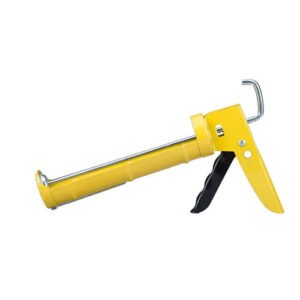
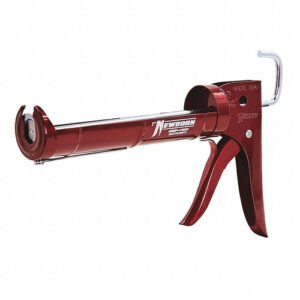
Caulking guns are available in several operating styles, and each type suits a different level of use. Manual caulking guns are a practical choice for occasional repairs and general maintenance because they require no batteries, charger or air compressor. They provide direct control over the bead and are available with different thrust ratios for materials ranging from standard sealants to thicker adhesives.
Dripless caulking guns are designed to help reduce unwanted material flow after the trigger is released. This can be especially useful when working on visible joints where a controlled bead and tidy finish matter. For frequent applications, a higher-quality frame, comfortable handle and smooth trigger mechanism can also help reduce hand strain.
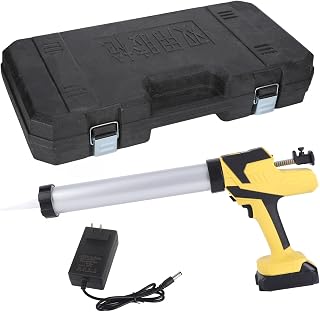
For larger projects, an electric or cordless caulking gun can provide a more convenient dispensing experience. Battery-powered models can reduce the physical effort required to push thick sealants and adhesives, making them useful for repetitive work. Variable-speed controls can also help users adjust the material flow to match the joint, nozzle size and application technique.
Pneumatic caulking guns use compressed air to dispense sealant and are well suited to high-volume professional applications. They can offer consistent material delivery with less repetitive manual effort. If you already operate an air compressor in your workshop or jobsite, a pneumatic model may be worth considering for frequent sealing work.
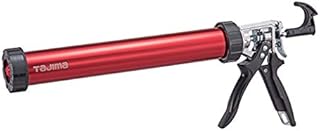
Before choosing a caulking gun, check the packaging format and capacity of the sealant you intend to use. Standard cartridge applicators are designed around compatible cartridge sizes, while sausage caulking guns are made for flexible sausage packs. Some professional dispensing systems also support specific multi-component adhesive cartridges.
Capacity is only one consideration. The tool's thrust ratio, barrel design, plunger mechanism and nozzle compatibility can influence how easily a product handles thicker compounds. Matching the applicator to the sealant is particularly important when working with construction adhesives, high-viscosity materials or products intended for structural applications.
When comparing caulking gun hand tools, look for features that match your working conditions. A quick-release mechanism can make cartridge changes easier, while an adjustable or variable-speed system can provide better control over bead size. Comfortable handles can be valuable during long jobs, and rotating barrels may help when working around corners or awkward joints.
Some advanced models include automatic retraction or anti-drip functions to help control excess sealant. Extension accessories and replacement nozzles can also make certain applications easier. For professional users, durable construction and serviceable components may be more important than a lower initial purchase price.
Canadian shoppers may use caulking guns for a wide variety of indoor and outdoor tasks, including bathroom and kitchen sealing, window and door installation, trim work, renovation, general maintenance and construction. Manual models can be sufficient for occasional household projects, while cordless and pneumatic options can be more practical for contractors who use dispensing tools regularly.
For outdoor work, consider the sealant manufacturer's application requirements and the environmental conditions before starting. Temperature, surface preparation and curing requirements can affect the final result. Always use the caulking gun according to the manufacturer's instructions and select a compatible sealant for the material and application.
Good technique is just as important as the caulking gun itself. Prepare and clean the surfaces before application, select an appropriate nozzle opening and cut the nozzle at an angle suitable for the joint. Apply steady pressure while moving the gun at a consistent speed. Avoid forcing excessive material into a joint, and tool the bead according to the sealant manufacturer's recommendations.
For repetitive professional work, choosing a dispensing system that matches the sealant's viscosity and packaging can improve consistency and efficiency. For occasional DIY jobs, a dependable manual or dripless applicator may offer the simplest solution. By comparing application type, thrust, capacity, power source and ergonomics, Canadian buyers can select a caulking gun that fits the job instead of relying on a one-size-fits-all approach.
Explore the available caulking gun hand tools to compare manual, electric, cordless, pneumatic, dripless and sausage-pack options. Whether you need an applicator for a small home repair or a heavy-duty tool for demanding construction work, selecting the correct dispensing format can help improve control, efficiency and finishing quality.
Find the right caulking gun hand tool for sealing, bonding, filling and finishing jobs around the home, workshop or construction site. This category includes manual, dripless, sausage, electric and pneumatic caulking guns suited to different materials, cartridge sizes and application requirements. Canadian shoppers can compare practical options for DIY repairs, renovation work and professional applications.
Primary: Transactional
Secondary: Commercial investigation