

♥ Wishlist





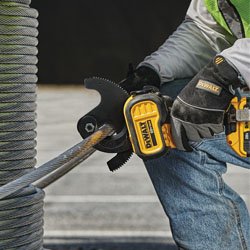
A cordless cable cutting tool is designed to simplify the process of cutting electrical cables and conductors without relying on a mains power connection. Instead of manually applying significant force with conventional cable cutters, a battery-powered model can provide powered cutting action that helps reduce effort and improve productivity. This makes cordless cable cutters especially useful on construction sites, service calls, maintenance jobs and other locations where portability matters.
The products available in this category can include compact electric cutters, high-force hydraulic cable cutters and professional cable shearing tools. Depending on the model, they may be suitable for copper, aluminium, communication cable, battery cable and certain reinforced or armoured cable applications. Always check the manufacturer's stated cutting capacity and material compatibility before using a tool on a particular cable.
Cutting capacity is one of the most important specifications to consider. A tool designed for smaller electrical conductors may not be suitable for large power cables. Some professional models are designed for cables up to approximately 30 mm in diameter, while larger hydraulic cable cutters can support considerably greater sizes. Capacity can also be expressed in millimetres, square millimetres or other manufacturer-specific measurements, so compare specifications carefully.
Battery operation is a major advantage when working away from a workshop. Look at the battery voltage, battery capacity, charging system and whether a battery and charger are included. A spare battery can be useful for professionals who need to complete repeated cuts throughout a workday. For Canadian job sites, consider how temperature and storage conditions may affect battery performance and follow the battery manufacturer's recommendations.
Hydraulic cordless cable cutters are designed to deliver substantial cutting force while reducing manual effort. Some models use adjustable pressure systems, automatic return mechanisms or rotating cutting heads to make positioning easier. These features can be particularly useful when working with larger conductors or when repeated cutting is required.
Not every cable cutter is suitable for every cable. Copper and aluminium conductors have different characteristics, while armoured or reinforced cables may require specialised cutting equipment. Before purchasing, identify the cable material, overall diameter and construction. If the cable includes steel reinforcement or armour, verify that the specific cutter is rated for that application rather than relying only on its general cutting capacity.
For smaller electrical and communication cables, a compact manual or high-leverage cutter may sometimes be sufficient. A cordless powered model becomes more attractive when the work involves larger cables, frequent cuts or locations where speed and reduced physical effort are priorities.
Portability is one of the biggest benefits. Without a power cord, users can move around equipment, panels, utility areas and construction zones more freely. A powered cutter can also make repeated cutting tasks less tiring than using a conventional hand tool. Ergonomic handles, balanced construction, LED work lights, safety locks and rotating heads can further improve usability depending on the model.
For professional users, productivity is another consideration. When several cables must be prepared or removed, a suitable cordless cutter can help create consistent cuts while reducing the physical effort required from the operator. However, the correct tool should always be selected based on the actual cable specifications rather than simply choosing the highest-force model available.
Cable cutting should be performed only after the cable has been correctly identified and isolated according to the applicable safety procedures. Never assume that a cable is de-energised. Follow workplace electrical safety requirements and the tool manufacturer's instructions. Wear appropriate personal protective equipment and inspect the cutter, battery, jaws and cutting mechanism before use.
Keep hands away from moving blades and cutting jaws, and use the correct cutting position for the cable. Do not exceed the manufacturer's maximum cable diameter or approved material list. Regular inspection and proper cleaning can also help maintain cutting performance and extend tool life.
Canadian shoppers can compare cordless cable cutting tools based on application, cable capacity, power system, portability and intended workload. Professional electricians may prioritise high cutting force, fast operation and battery compatibility, while occasional users may prefer a compact model that is easier to store and transport. Reviewing specifications before purchasing can help you choose a tool that provides the right combination of performance, convenience and value.
When comparing products, pay particular attention to the included accessories, battery and charger configuration, maximum cutting diameter, supported cable materials, weight and warranty information. Product availability and pricing can vary, so comparing current options can help you find a cordless cable cutting tool that fits your Canadian job requirements.
Finding the right cordless cable cutting tool can make demanding electrical and cable work faster, cleaner and more convenient. Battery-powered cable cutters provide the freedom to work without a nearby power outlet while delivering the cutting force needed for many copper, aluminium and heavy-duty cable applications. Whether you are an electrician, electrical installer, maintenance professional or experienced DIY user, choosing a cutter that matches your cable type, diameter and workload is essential. Explore cordless cable cutting tool options available to Canadian shoppers and compare cutting capacity, battery operation, hydraulic performance, ergonomics and other practical features before buying.