

♥ Wishlist




![KAKURI Japanese Wood Chisel Set [Long Handle] 3 Piece for Woodworking, Made in JAPAN, Japanese Oire Nomi for Carve, Mortise, Dovetail, Sharp Japanese Carbon Steel, Red Oak Wood Handle](https://m.media-amazon.com/images/I/71XXQufMzkL._AC_UL320_.jpg)




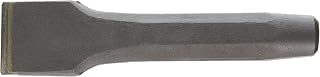
Hand chisels are essential tools for controlled material removal, detailed shaping and finishing work. In woodworking and carpentry, a well-selected chisel can help create joints, clean recesses, trim edges and remove small amounts of wood with precision. They are also useful for general workshop projects where accuracy and direct control are more important than using a powered cutting tool. For Canadian DIY users, tradespeople and workshop professionals, choosing the appropriate chisel can make everyday tasks easier and more consistent.
Chisels are available in different designs to suit different applications. A woodworking chisel is commonly used for paring, chopping and shaping wood, while heavier-duty designs can be appropriate for more demanding work. When choosing a hand chisel, consider the material you are working with, the type of cut required and how frequently the tool will be used. Blade width is also important because narrower chisels are useful for detailed work and confined areas, while wider blades can remove material more efficiently across larger surfaces.
For woodworking projects, chisels are commonly used for joinery, mortises, trimming and general shaping. A suitable woodworking chisel provides the control needed for careful cuts around joints and edges. Carpenters can also use chisels for fitting components, cleaning up openings and making small adjustments during installation. Keeping several blade widths available can be helpful when a project involves both detailed and broader cutting tasks.
Precision work often requires a chisel that is easy to control. Smaller or narrower blades can be useful for fine adjustments, corners, grooves and other areas where access is limited. When working on furniture, cabinetry or smaller woodworking projects, a properly maintained cutting edge can help produce cleaner results while reducing the need for excessive force.
Before choosing a hand chisel, look at the blade dimensions, construction, handle design and intended application. The overall balance of the tool can affect comfort and control, particularly when a project requires repeated cuts. Blade width should match the task, while handle construction should feel secure in the hand and provide suitable control for the intended technique.
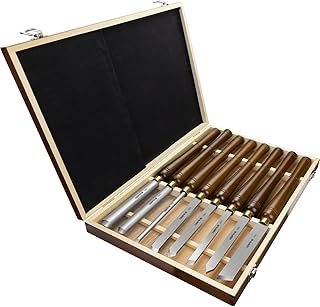
It is also worth considering whether you need an individual chisel or several sizes for a broader range of jobs. A selection of widths can be useful in a home workshop because different cuts and joints may require different blade sizes. For occasional DIY work, a versatile option may be sufficient, while tradespeople and experienced woodworkers may prefer a more specialised selection.
Hand chisels can be used for many workshop and construction-related tasks. Common applications include removing excess wood, refining joints, cutting recesses, squaring corners, trimming edges and fitting wooden components. Depending on the particular chisel design and its intended use, chisels may also be used for other controlled material-removal tasks. Always select a tool appropriate for the material and application rather than relying on one chisel for every job.
A dependable hand chisel can be a useful addition to a home workshop. DIY users may reach for chisels when repairing furniture, adjusting wooden fittings, installing hardware or completing small woodworking projects. Because chisels provide direct feedback from the workpiece, they are particularly useful when only a small amount of material needs to be removed.
Professionals often need tools that can withstand regular use while providing predictable control. Having multiple chisel sizes available allows a carpenter or woodworker to select the most appropriate blade for each task. Proper sharpening, cleaning and storage can also help maintain cutting performance and extend the useful life of the tools.
Use the correct chisel for the material and task, keep the cutting edge appropriately sharp and avoid applying force beyond what the tool is designed to handle. When striking a chisel, use a suitable mallet or striking tool when the chisel design permits it. Keep hands clear of the cutting path and secure the workpiece before beginning. After use, clean the tool and store it where the cutting edge will not contact other tools or hard surfaces. Regular inspection can help identify damage or excessive wear before the next project.
For Canadian shoppers, the best chisel depends on the type of work you regularly perform. Consider whether your projects focus on woodworking, carpentry, joinery, repairs or general workshop tasks, then choose a design and size that matches those requirements. With the right hand chisel, many cutting and shaping jobs can be completed with greater control and precision.
Explore the Chisels Hand Tool category to compare available options for woodworking, carpentry and workshop applications. Selecting a chisel based on its intended use, dimensions and construction can help you build a practical hand-tool collection for projects around the home, workshop or job site.
Find practical hand chisels for detailed cutting, shaping, trimming and fitting work. Whether you are working on a woodworking project, completing carpentry tasks or maintaining a workshop, the right chisel can help you make controlled cuts and clean up material accurately. Explore the Chisels Hand Tool category to find options suited to different materials, project requirements and working techniques.