
♥ Wishlist


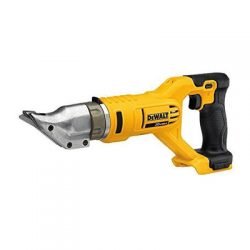
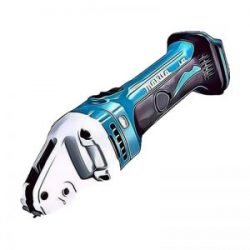
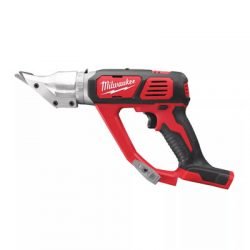
A cordless metal shear is a battery-powered cutting tool designed to make clean, efficient cuts through suitable sheet metal and other compatible metal materials. Unlike corded shears, cordless models let you move around a jobsite without managing a power cable. That mobility can be particularly useful when working on roofs, inside mechanical spaces, around vehicles, or in areas where access to mains power is limited. For Canadian tradespeople and DIY users, choosing the right shear starts with understanding the material, cutting requirements, battery platform, and working environment.
The biggest advantage of a cordless metal shear is portability. A battery-powered tool can be carried directly to the work area and used without searching for an outlet or positioning an extension cord. This can make repetitive cutting more convenient and can help keep the workspace less cluttered. Cordless operation is especially useful for construction, roofing, HVAC installation, ductwork, metal fabrication, and repair tasks where the cutting location changes frequently.
Modern cordless shears are also designed with practical jobsite features such as variable-speed control, compact bodies, ergonomic handles, and replaceable cutting components. Depending on the model, these features can help the user maintain better control while following straight or shaped cutting paths. When comparing options, look beyond headline power and consider how comfortably the tool can be handled for the length of time you expect to use it.
One of the most important specifications is cutting capacity. Metal shears are not universally suitable for every thickness or type of metal, so always compare the manufacturer's stated capacity with the material you intend to cut. Sheet metal, galvanized steel, aluminium, and other materials can require different cutting capabilities. A tool intended for lighter sheet material may not be appropriate for heavier-gauge applications.
For Canadian workshops and jobsites, it is also useful to consider the types of projects you regularly complete. HVAC installers may prioritise manoeuvrability around ductwork, while roofing professionals may need a durable tool for repeated sheet-metal cuts. Fabricators may place greater emphasis on cutting accuracy, serviceability, and compatibility with the materials used in their shop. Selecting a tool around your actual workload can help avoid buying either more capacity than necessary or a shear that is underpowered for the job.
Because cordless performance depends on the battery system, check whether the shear is sold as a bare tool or as part of a kit. A bare tool can be an economical choice if you already own compatible batteries and a charger from the same platform. A kit may be more convenient if you are starting from scratch and need the complete power solution.
Battery capacity can influence how long you can work between charges, although actual runtime varies according to material thickness, cutting technique, workload, battery condition, and other factors. If the tool will be used for extended periods, having a spare compatible battery can reduce interruptions. For occasional home projects, a smaller battery setup may be sufficient and easier to handle.
Metal cutting can involve repeated movements, so ergonomics deserve attention. A balanced design, comfortable grip, manageable weight, and accessible controls can make the tool easier to operate. Compact dimensions can also be helpful when making cuts in restricted spaces. If your work involves curved or detailed cuts, control and manoeuvrability may be more important than simply choosing the most powerful model.
Cutting accessories and replacement components are another consideration. Check the availability and specifications of compatible blades, punches, dies, or other wear components where applicable. Following the manufacturer's recommendations for consumables can help maintain cutting performance and extend the useful life of the tool.
Cordless metal shears can be useful across a broad range of applications. Roofing and siding projects may involve trimming sheet materials, while HVAC work can require cuts for ducting and related components. Metalworkers can use suitable shears for fabrication and modification tasks, and automotive or maintenance professionals may appreciate the convenience of portable cutting equipment. DIY users can also benefit when completing renovation, workshop, or repair projects that involve compatible sheet metal.
When choosing a cordless metal shear in Canada, compare cutting capacity, battery compatibility, tool weight, speed control, ergonomics, and intended application rather than relying on a single specification. Consider whether you need a complete kit or a tool-only option, and make sure the model is appropriate for the material thicknesses you expect to encounter. The right cordless shear can provide a practical combination of portability, cutting control, and convenience for jobs where a corded tool would be restrictive.
Explore the available cordless metal shears to find an option suited to your workshop, jobsite, renovation, fabrication, or repair needs. Before use, always review the manufacturer's instructions, recommended materials, cutting limits, battery requirements, and appropriate protective equipment.
Cordless metal shears make sheet metal cutting more convenient by combining cutting power with the freedom of a battery-powered design. Whether you work in roofing, HVAC, fabrication, construction, automotive repair, or home improvement, a cordless metal shear can help you make controlled cuts without being tied to a power outlet. This category brings together portable metal-cutting tools suited to professionals, tradespeople, contractors, and capable DIY users across Canada.