

♥ Wishlist
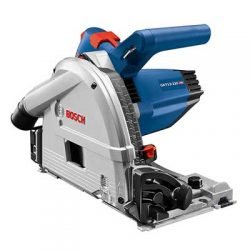
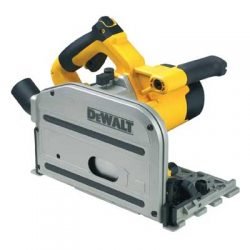
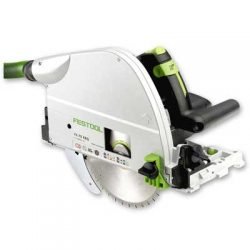
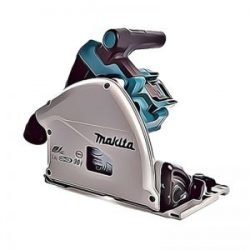
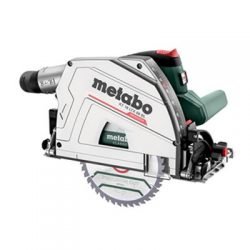

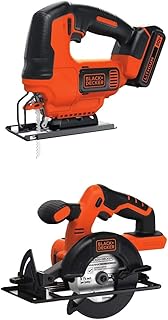

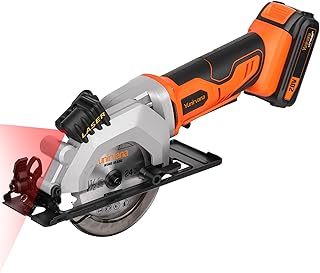


Cordless plunge saws are designed for controlled, accurate cutting where portability and a clean cutting path matter. Unlike a conventional circular saw that is normally guided by its base and often requires a separate straightedge, a plunge saw is commonly paired with a guide rail to help produce consistent straight cuts. The cordless design removes the need for a mains power connection, making these saws convenient for workshops, construction sites, renovations, and remote jobs.
For Canadian shoppers, choosing the right cordless plunge saw starts with understanding the type of work the tool will perform. If you regularly cut plywood, MDF, solid wood panels, doors, worktops, or other sheet materials, a track saw with a compatible guide rail can make long cuts easier to control. A plunge mechanism also allows the blade to enter the material at a selected point rather than requiring the cut to begin at an exposed edge. This can be useful for openings, trimming operations, and controlled internal cuts when the tool and workpiece are used safely.
Battery compatibility should be one of the first considerations when comparing cordless plunge saws. Many buyers already own cordless tools and batteries from a particular platform, so selecting a saw that uses the same battery family can reduce the need to purchase another charger and battery system. Available models may use different voltage platforms, and battery capacity can influence both runtime and overall tool weight. A higher-capacity battery may be helpful for extended cutting sessions, while a smaller pack can make the saw easier to handle during shorter jobs.
Cutting capacity determines what materials and thicknesses the saw can handle effectively. Compare the maximum cutting depth at common angles and check whether the stated capacity changes when the saw is used with a guide rail. Blade diameter also affects cutting performance and the range of materials the tool can accommodate. For sheet goods and general woodworking, a compact plunge saw may offer a useful balance between portability and capacity, while heavier-duty models can be better suited to demanding professional applications.
A cordless plunge saw is often most valuable when combined with an appropriate guide system. Guide rails help maintain a straight cutting path and can make repeated cuts easier to reproduce. Before buying, check the manufacturer's compatibility information for the rail system you intend to use. Some saws are supplied as kits with rails or accessories, while others are sold as tool-only options. If you are comparing prices in Canada, remember to account for the cost of compatible rails, batteries, chargers, clamps, and other accessories rather than evaluating the bare tool alone.
Dust management can make a significant difference when cutting wood-based materials indoors. Look for a plunge saw with a suitable dust extraction connection and consider whether your existing vacuum system can connect effectively. Good extraction can help improve visibility around the cutting area while reducing airborne dust. It is still important to follow the tool manufacturer's safety instructions and use appropriate personal protective equipment for the material being cut.
Comfort becomes increasingly important during repeated cuts. Evaluate the handle design, trigger arrangement, plunge action, balance, blade visibility, depth adjustment, and bevel adjustment. A saw that feels well balanced with the intended battery installed can be easier to control than a heavier combination. Safety features such as blade guards, anti-tip mechanisms, electronic controls, and secure depth adjustments may also contribute to confident operation. Always read the manufacturer's instructions and use the correct blade for the material and application.
The cordless plunge saw category includes products associated with major professional power-tool brands such as Bosch, DeWalt, Festool, Makita, and Metabo, as well as other manufacturers offering battery-powered track and plunge saws. Each platform can differ in battery technology, rail compatibility, accessories, cutting capacity, and intended user. Instead of choosing purely by brand, compare the specifications against the jobs you perform most frequently.
The best cordless plunge saw is the one that matches your required cutting depth, battery platform, guide-rail needs, material types, runtime expectations, and budget. Professionals may prioritise durability, precision, extraction, and long-term battery compatibility, while DIY users may prefer a lighter and more economical setup. When comparing options in Canada, check whether the product is sold as a bare tool or kit and verify what batteries, chargers, rails, blades, and accessories are included.
Whether you need a cordless track saw for cabinet work, renovation projects, sheet-material breakdown, or general woodworking, careful comparison can help you choose a setup that delivers repeatable cuts without the limitations of a power cord. Focus on practical specifications rather than marketing claims, and select a system that fits both your current projects and the cordless tools you expect to use in the future.
Cordless plunge saws combine the controlled cutting action of a plunge saw with the freedom of battery power. They are especially useful when you need straight, repeatable cuts without managing a power cord around a workpiece. For Canadian professionals, renovators, cabinetmakers, woodworkers, and DIY users, a cordless track saw can be a practical choice for breaking down sheet goods, trimming doors, preparing panels, and making accurate plunge cuts on site. Compare battery platforms, blade size, cutting depth, guide-rail compatibility, dust management, and overall ergonomics before choosing the right saw for your projects.