

♥ Wishlist
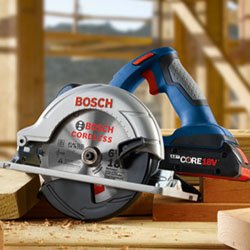
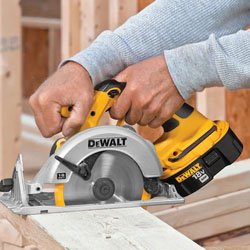
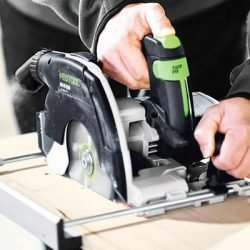
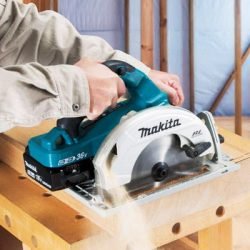
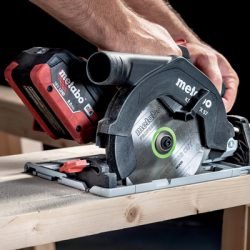
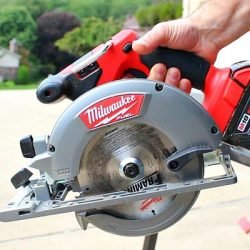
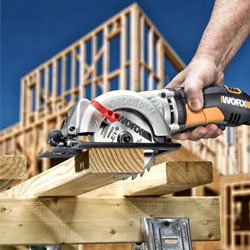

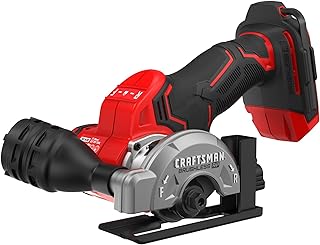
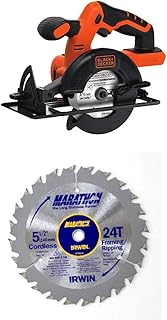

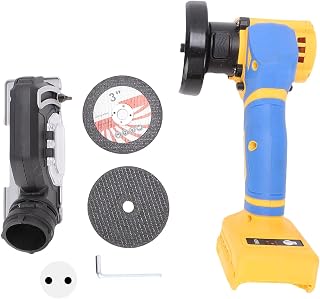


A cordless circular saw is a versatile cutting tool designed to give you the freedom of battery-powered operation. Instead of connecting the saw to an electrical outlet, you can work with a compatible rechargeable battery, making these saws particularly useful on construction sites, renovation projects, workshops, garages, and outdoor jobs. For Canadian shoppers, a cordless model can be especially convenient when working in unfinished spaces, remote areas, or locations where extension cords are inconvenient.
Modern battery-powered circular saws are available in several configurations, from compact saws intended for lighter DIY work to full-size models designed for demanding construction applications. Choosing the right saw depends on the materials you intend to cut, the required cutting depth, the amount of use you expect, and the battery ecosystem you already own.
Blade diameter directly affects the type and thickness of material a saw can handle. Common cordless circular saw configurations include compact blades around 5-1/2 or 6-1/2 inches and larger 7-1/4-inch models. A compact saw can be easier to control and carry, while a larger saw generally provides greater cutting capacity for framing lumber and thicker stock. Always check the manufacturer's stated maximum cutting depth at 90 degrees and at common bevel settings.
Battery platform compatibility is one of the most important considerations when shopping for a cordless saw. If you already use cordless tools, choosing a saw that works with your existing battery system can reduce the need to purchase additional batteries and chargers. Popular professional and DIY ecosystems include DeWalt, Milwaukee, Makita, Bosch, Ryobi, and other established brands. Check whether a listing is sold as a bare tool or as a kit with one or more batteries and a charger.
Brushless motors are widely used in modern cordless power tools because they can deliver efficient performance while helping maximise available battery energy. For frequent users or demanding applications, a brushless cordless circular saw can be an attractive choice. However, motor type should be considered alongside cutting capacity, battery size, ergonomics, blade quality, and the overall requirements of your project.
The biggest advantage of a cordless circular saw is mobility. Without a power cord trailing behind the tool, you can move around a work area more easily and set up cuts where mains power is unavailable or inconvenient. Cordless models are also useful for renovation work where outlets may be limited or where an extension cord could interfere with movement.
Portability does not mean sacrificing versatility. Depending on the model and blade, a cordless circular saw can be used for tasks such as cutting dimensional lumber, plywood, framing materials, panels, and other compatible materials. Adjustable bevel settings can also make it possible to produce angled cuts for construction and woodworking applications.
Look for practical safety and control features such as a blade guard, electric brake, secure grip, stable base plate, and clearly accessible adjustment controls. A well-balanced saw can make repeated cuts more comfortable and easier to control. Always use the correct blade for the material, follow the manufacturer's instructions, wear appropriate eye and hearing protection, and secure the workpiece before cutting.
Canadian shoppers can find cordless circular saws from several established power-tool manufacturers. DeWalt cordless circular saws are popular for jobsite applications, while Milwaukee M18 models are designed around the brand's widely used battery platform. Makita offers a broad selection of compact and professional cordless saws, and Bosch and Ryobi provide additional options for different budgets and use cases. Festool is another option for users prioritising precision and specialised woodworking features. The best brand for you depends on the battery system you already own, required performance, availability, and project demands.
Start by identifying the materials and thicknesses you normally cut. Next, check the required blade diameter and maximum cutting depth. If you already own cordless tools, battery compatibility should be high on your list. For frequent or demanding use, consider a brushless motor and a larger-capacity battery. For occasional home projects, a lighter and more compact model may be easier to handle.
Also compare whether the product includes a battery and charger. A bare tool may offer better value when you already have compatible batteries, while a complete kit can be more convenient for someone entering a new battery platform. Consider bevel range, included accessories, blade availability, ergonomics, weight, warranty information, and replacement battery costs before buying.
Whether you are building a deck, completing a renovation, cutting framing lumber, preparing plywood, or handling general woodworking tasks, the right cordless circular saw can make accurate cutting faster and more convenient. Compare models by cutting capacity, battery platform, motor technology, size, handling, and included accessories rather than choosing solely by headline power specifications. With the right combination of saw and blade, a battery-powered circular saw can become one of the most useful tools in a Canadian workshop or jobsite.
Find a cordless circular saw for cutting lumber, plywood, sheet materials, and other compatible materials without being restricted by a power cord. This category brings together battery-powered circular saw options for Canadian DIYers, tradespeople, contractors, renovators, and workshop users. Compare practical features such as blade size, cutting depth, bevel adjustment, motor design, battery platform, ergonomics, and safety features before choosing a model for your next project.