

♥ Wishlist


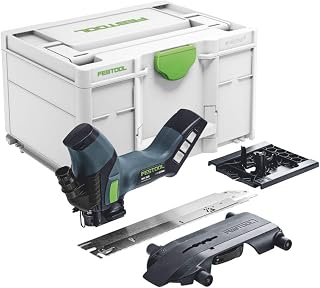

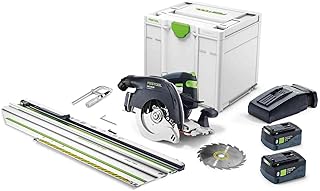
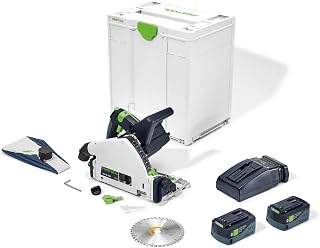


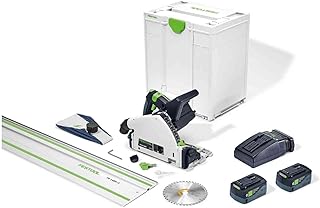
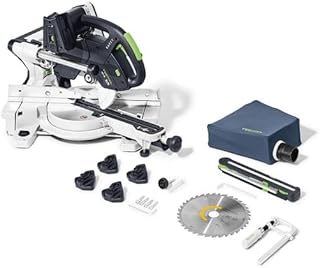
A reliable circular saw can make a major difference when accuracy, repeatability, and clean results matter. Festool circular saws are designed for demanding cutting applications and are commonly considered by woodworking professionals, tradespeople, installers, renovators, and serious DIY users. When choosing a saw, it is important to match its capabilities with the materials and type of work you expect to handle.
For Canadian shoppers, the right circular saw can be useful for a wide range of projects. It can help with cutting sheet goods, timber, boards, panels, and other suitable materials when paired with the correct blade and setup. A well-matched saw can also make workshop tasks more efficient by providing controlled cutting performance and easier handling.
Start by considering the material you normally cut and the maximum thickness required for your projects. Cutting capacity is an important specification because it determines whether a particular model can handle the work you have planned. Also consider the blade diameter, cutting depth, bevel capability, and adjustment system.
Portability is another useful consideration. A compact saw may be preferable for mobile work, while a more capable setup can suit a workshop where cutting performance and repeatability are priorities. If you regularly move between job sites, pay attention to the overall design, handling, and power arrangement of the model you select.
Festool circular saws can differ in their power configuration and intended working environment. Depending on the model, shoppers may encounter corded or cordless solutions. A corded saw can be useful when continuous power is important, while a cordless model can provide greater freedom of movement where suitable batteries are available.
Before purchasing, check the exact model specifications and confirm compatibility with the power system, batteries, chargers, accessories, and blades you already use. This is particularly important when building a cordless tool setup. Checking the manufacturer's specifications can help you select equipment that fits your existing workflow.
Precision is often a key reason to consider a professional-grade circular saw. Features such as stable cutting, accurate depth adjustment, bevel adjustment, and compatible guide systems can help users achieve more consistent results. For repetitive cuts, a suitable guide solution may also make it easier to maintain a straight cutting line.
When comparing models, look beyond headline specifications. Think about how the saw will feel during extended use, how easily settings can be adjusted, and whether the accessories you need are available for the particular model. The best option is usually the one that fits your regular work rather than simply the model with the highest specification.
For sheet-material work, cutting accuracy and control can be especially important. A suitable circular saw can help create straight cuts when used with the correct blade and cutting guide. For timber and board cutting, consider the required cutting depth and blade specification before starting a project.
Professional users may also want to consider how the saw integrates into their wider workshop or job-site workflow. Compatibility with dust extraction, guides, cases, blades, and other accessories can influence overall convenience. A coordinated tool system can make preparation, cutting, and cleanup more efficient.
Canadian shoppers should compare the specifications of each available model carefully before making a purchase. Check the listed power configuration, cutting capacity, blade requirements, included accessories, and availability. If a model is intended for use with a specific battery platform, make sure the required battery and charger arrangements are understood before ordering.
It is also useful to consider the type of work you perform most often. A professional contractor may prioritise portability and workflow efficiency, while a workshop user may place greater emphasis on cutting capacity and guide compatibility. DIY users should focus on choosing a model that provides the capabilities they actually need without paying for specifications that will rarely be used.
The saw itself is only part of the cutting system. Blade selection has a direct effect on the type of cut you can achieve. Always choose a blade appropriate for the material and application, and follow the manufacturer's recommendations. Suitable guides, dust extraction equipment, storage solutions, and other accessories can also improve the overall experience.
Before operating any circular saw, read the manufacturer's instructions and use appropriate personal protective equipment. Keep the work area organised, secure the material correctly, and make sure the blade and saw are suitable for the intended application.
Choosing the right Festool circular saw in Canada comes down to understanding your projects and comparing the specifications that matter most. Consider cutting depth, blade size, power source, bevel capability, portability, guide compatibility, and accessory requirements. By matching these factors with your everyday work, you can select a circular saw that supports accurate and efficient cutting.
Browse the Festool Circular Saws category to compare available options and identify a model that fits your woodworking, renovation, trade, or DIY requirements.
Find Festool circular saws designed for controlled, accurate cutting across woodworking, renovation, and professional applications. This category helps Canadian shoppers compare Festool circular saw options based on cutting requirements, portability, precision, and project needs. Whether you are preparing sheet materials, making straight cuts in timber, or working on detailed woodworking projects, choosing the right circular saw can make each cut more consistent. Explore the available options and consider the cutting depth, blade size, power system, and features that best match your work.