
♥ Wishlist


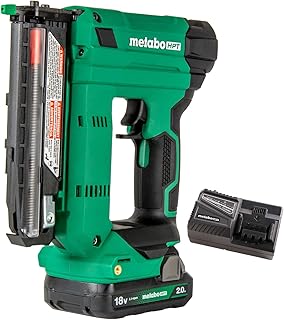


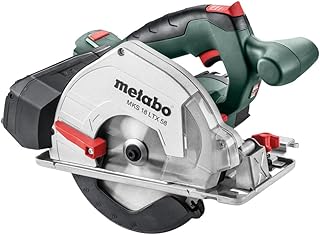
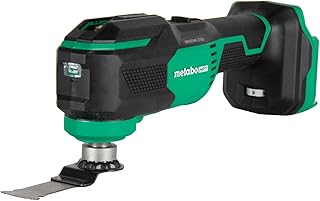


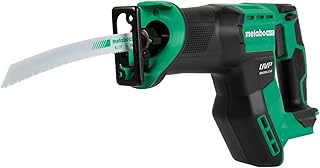


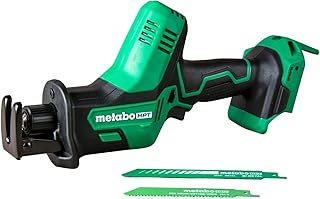


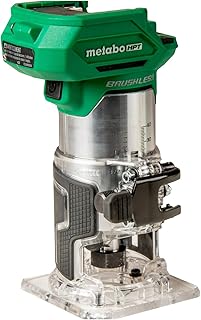


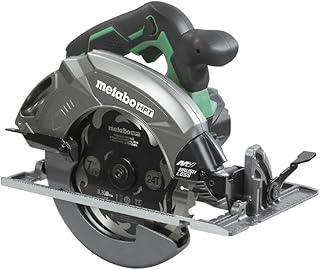


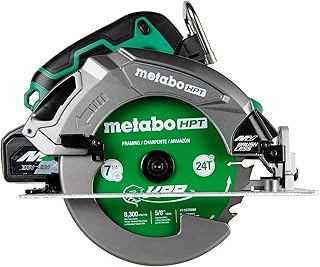


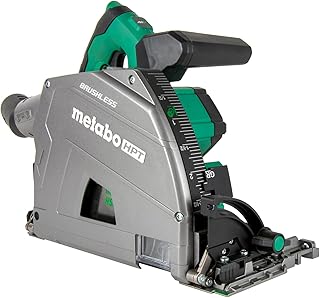

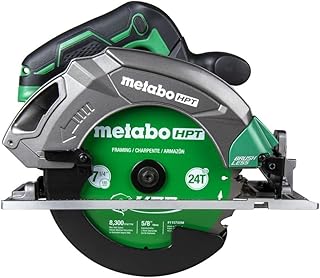
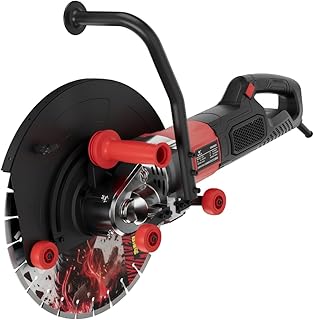
Metabo circular saws are a practical choice for cutting timber, boards and other suitable building materials where straight, controlled cuts are required. For Canadian tradespeople, contractors, renovators and DIY users, selecting the right saw starts with understanding the type of work the tool will perform. A compact saw may be convenient for general projects, while a higher-powered model can be better suited to demanding cutting applications.
When comparing Metabo circular saws, consider the material you normally cut, the required cutting depth, the frequency of use and whether you need the freedom of cordless operation. These factors can help narrow the selection before you compare individual models. It is also worth considering the way you work. A saw that feels balanced and easy to control can be more comfortable during longer cutting sessions.
Cordless circular saws can be useful when you need to move around a jobsite without managing a power cable. They are especially convenient for renovation work, framing tasks, outdoor projects and locations where access to a power outlet is limited. Battery-powered models can also make setup faster when you are moving between different work areas.
If you are considering a cordless Metabo circular saw, check the required battery system and confirm whether the battery and charger are included with the model you are purchasing. Battery capacity can also influence how long you can work between charges. For regular professional use, keeping a charged spare battery available can help reduce interruptions.
Corded circular saws can be a suitable option for workshops, garages and jobsites where mains power is readily available. They provide continuous electrical power without requiring battery changes or charging breaks. If your projects involve frequent cutting in one location, a corded model may offer a straightforward solution.
Before choosing a corded saw, consider the available electrical supply and the length of cable required for your workspace. Proper cable management is important when operating any corded power tool, particularly on busy construction or renovation sites.
Cutting capacity is one of the most important specifications to check. The maximum depth can vary depending on the model and cutting angle. Compare the manufacturer's specifications with the thickness of the materials you expect to cut. If you regularly make bevel cuts, check the available bevel range as well.
Blade diameter and compatibility affect the materials and cutting applications a saw can handle. Always use a blade that is compatible with the specific saw and suitable for the material being cut. Different blades are designed for different results, such as faster rough cuts or cleaner finishes.
Power requirements depend on the application. Users completing occasional DIY projects may have different requirements from contractors making repeated cuts throughout a working day. Compare motor or battery specifications alongside cutting capacity rather than selecting a saw based on power alone.
Comfort and handling matter when a circular saw is used frequently. Look for a design that provides a secure grip and allows you to maintain control along the cutting line. Weight can also influence handling, particularly when making overhead or awkward cuts.
A circular saw can be useful for a wide range of woodworking and construction tasks. Common applications include cutting dimensional lumber, plywood, panels and other suitable materials. The correct blade and saw settings should always be selected for the specific application.
For renovation work, portability may be especially valuable because projects can involve multiple rooms or different areas of a property. For workshop users, a corded saw can be convenient when the tool remains in a dedicated work area. Consider your normal workflow to determine which format provides the best balance of convenience and performance.
Canadian shoppers can compare Metabo circular saws by looking closely at specifications rather than relying only on product appearance. Check the cutting depth, blade information, power source, bevel capability and included accessories before making a decision. Also review the product listing carefully to understand what is supplied with the saw.
For professional applications, selecting equipment that matches your workload can help improve productivity. For home improvement and DIY projects, choosing a model that suits your typical materials and cutting needs can provide a practical balance between capability and convenience. Take time to compare the available options and select the Metabo circular saw that best fits your requirements.
Always read the manufacturer's instructions before operating a circular saw. Wear appropriate eye and hearing protection, secure the workpiece and keep hands away from the blade path. Inspect the blade and tool before use, and make sure guards and other safety features are functioning correctly. Follow the recommended procedures for changing blades, adjusting cutting depth and making bevel cuts.
Using the correct blade for the material and maintaining a stable cutting position can help support safer, more controlled operation. Canadian jobsite conditions can vary considerably, so make sure the work area is clean, adequately lit and suitable for the task.
Metabo circular saws are designed for users who need controlled, efficient cutting across woodworking, construction and renovation projects. Whether you are preparing timber, cutting sheet materials or handling repeated workshop tasks, the right circular saw can make each cut easier to manage. This category brings together Metabo circular saw options so Canadian shoppers can compare models based on power source, cutting requirements, handling and intended application.
Primary: Commercial investigation and transactional
Secondary: Informational and product comparison