

♥ Wishlist


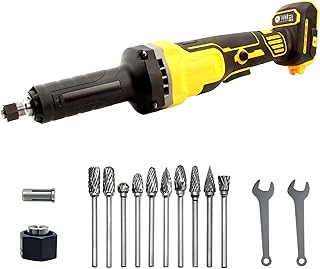
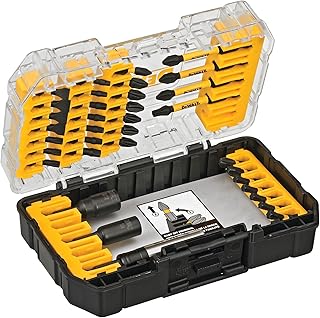


DeWalt angle drills are designed for situations where access, control and torque matter as much as conventional drilling performance. Their compact right-angle format makes it easier to work between studs, joists, cabinets and other confined areas where a standard drill may be difficult to position. For Canadian professionals and serious DIY users, the right model can make repetitive drilling and fastening tasks faster, more controlled and less awkward.
This category includes DeWalt right-angle drills, cordless angle drills and specialised models intended for demanding construction applications. Depending on the model, shoppers may encounter 20V MAX cordless options, higher-powered systems, corded angle drills and Hole Hawg-style stud and joist drills. The best choice depends on the material being drilled, the available working space, the required torque and whether mobility or continuous power is more important.
A right-angle drill is particularly useful when a conventional drill body cannot be aligned comfortably with the work surface. The 90-degree configuration helps users drill through framing members, install components in cabinets and reach awkward areas during renovation or installation work. A DeWalt right angle drill can also be useful for electricians, plumbers, carpenters and contractors who regularly work around structural obstacles.
When comparing models, pay attention to overall tool length, head profile, chuck or bit interface, speed control and torque. A compact design can be more valuable than maximum power when access is the primary challenge. For heavier drilling, however, additional torque and a robust gearbox can help the tool maintain performance under demanding loads.
For Canadian job sites where power outlets may be inconvenient or unavailable, a cordless DeWalt angle drill offers greater freedom of movement. DeWalt 20V MAX models are especially attractive to users already invested in the compatible battery platform. A tool-only purchase can be a practical option when you already have suitable batteries and a charger, while a kit may make more sense for new users building a cordless tool collection.
Battery capacity should also be considered alongside tool weight. Higher-capacity batteries can provide longer runtime, but they may add weight when the drill is used overhead or in a confined space. For repetitive work, choosing a battery that balances runtime with handling comfort can help reduce fatigue.
Hole Hawg-style drills are aimed at demanding drilling applications such as creating larger holes through framing and structural wood. These tools are commonly associated with professional framing, electrical and construction work where substantial drilling capacity and torque are required. If your work involves repeated large-hole drilling, a purpose-built stud and joist drill may be more suitable than a compact right-angle drill designed primarily for access.
Before choosing a heavy-duty model, consider the hole sizes you normally create, the drill-bit type you use and how frequently the tool will be operated under load. A higher-performance drill can be advantageous for production work, but the extra size and weight may not be necessary for occasional household projects.
Start by identifying the primary application. For tight spaces and installation work, prioritise compact dimensions and controllability. For framing and larger holes, focus on torque, power delivery and compatibility with the accessories you already use. Cordless users should verify battery compatibility before ordering, especially when a listing is sold as tool-only.
Ergonomics are also important. Look for a comfortable grip, sensible weight distribution and controls that can be operated without repeatedly changing hand position. If you will be drilling overhead or in difficult positions, a lighter configuration may be preferable to a larger high-output model.
Product listings can differ in whether they include batteries, chargers, accessories or only the bare tool. Canadian shoppers should review the exact product description, model number and included components before purchasing. This is particularly important when comparing similar DeWalt angle drill models or combination kits.
Canadian contractors may work across indoor renovations, garages, workshops and outdoor construction sites. A cordless model provides convenient mobility, while a corded model can be useful when continuous operation is more important than portability. Storage conditions, winter temperatures and battery charging practices should also be considered when cordless equipment is used regularly.
For professional users, a DeWalt angle drill can be a valuable addition to a broader cordless or corded tool system. Electricians and plumbers may prioritise compact access, while framers and carpenters may need more torque and capacity for larger holes. Renovators can benefit from a versatile right-angle format when working inside cabinets, wall cavities and other restricted areas.
DIY users should avoid selecting a model solely because it has the highest power rating. A compact, easy-to-control drill may be more useful for occasional home repairs, furniture work and renovation tasks. Matching the drill to the application helps avoid paying for capabilities that are unlikely to be used.
Regular maintenance can help keep an angle drill operating reliably. Remove dust and debris after use, inspect the chuck or bit interface and check the power cord or battery connection for signs of damage. Drill bits should be kept sharp and appropriate for the material being drilled because worn accessories can increase load on the tool and reduce drilling efficiency.
For cordless models, use compatible batteries and chargers and follow the manufacturer's storage and charging recommendations. Store the tool and batteries in a clean, dry location. If the drill develops unusual noise, excessive vibration or other signs of mechanical problems, stop using it and have it inspected before returning it to service.
The DeWalt angle drill category includes solutions for confined-space drilling, mobile cordless work and high-demand construction applications. Compare the intended application, power source, battery platform, torque, speed, size, weight and included accessories before making a purchase. Canadian shoppers can then select a model that provides the right combination of access, performance and convenience for their projects.
Find DeWalt angle drills for drilling and fastening where a conventional drill cannot easily reach. Explore right-angle and cordless options suited to Canadian contractors, tradespeople and DIY users working in framing, plumbing, electrical installation, renovation and general construction.