

♥ Wishlist


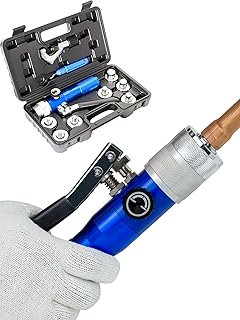


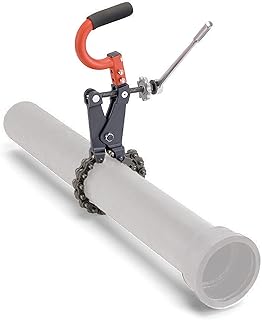


A compact pipe cutter is a practical choice when you need a clean, controlled cut without carrying a large cutting tool. Designed with portability and access in mind, these cutters are especially useful when working around existing plumbing, inside cabinets, beneath sinks, in service areas or in other locations where a conventional tool may be difficult to position. For Canadian tradespeople, maintenance workers and DIY users, the right compact pipe cutter can make routine pipe and tubing work faster and easier.
Compact pipe cutters are commonly used with copper, aluminium, plastic, composite and certain metal tubes, although the exact compatible materials depend on the cutter. Before choosing a model, check the manufacturer's stated material compatibility and cutting capacity. A cutter designed primarily for soft copper tubing should not automatically be assumed suitable for thicker steel or stainless-steel pipe. Matching the tool to the material helps produce cleaner results and can reduce unnecessary wear on the cutting wheel.
One of the most important specifications is cutting capacity. Compact models can cover different outside diameters, so measure the pipe or tube you intend to cut and compare that measurement with the tool's published range. Canadian shoppers may encounter both millimetre and imperial sizing, particularly when comparing plumbing, HVAC and imported tools. Checking the actual capacity rather than relying only on a product name helps prevent purchasing a cutter that is too large or too small for the application.
A compact copper pipe cutter is particularly useful for plumbing installations and repairs involving copper tubing. Many manual designs use an adjustable cutting wheel that is tightened progressively around the tube while the tool is rotated. This approach can provide a controlled cut while requiring little storage space. Some models also include a deburring feature, allowing the user to remove the sharp internal edge left after cutting. A smooth, properly prepared end can make subsequent fitting or connection work easier.
For jobs involving repeated cuts or difficult access, a ratcheting or powered pipe cutter may be worth considering. Ratcheting designs can allow one-handed operation and are useful where there is limited room to rotate a conventional cutter fully around the pipe. Battery-powered compact cutters can reduce manual effort and speed up repetitive work, but shoppers should check battery compatibility, included accessories and whether the listing is supplied as a complete kit or as a bare tool.
Portability is another major advantage of this category. A small cutter can fit into a tool bag, service case or workshop drawer without taking up the space required by larger pipe-cutting equipment. For plumbers and HVAC technicians who move between job sites, this can be particularly convenient. Compact construction can also make the tool easier to position around installed pipework, although the available clearance should always be checked before starting a cut.
When comparing compact pipe cutters, look beyond size alone. Consider the cutting mechanism, wheel quality, adjustment system, grip, overall construction and replacement-part availability. A durable frame and a well-designed adjustment mechanism can improve consistency over repeated use. If you expect frequent professional use, also consider whether replacement cutting wheels are readily available and whether the tool is designed for the workload you expect.
For occasional home repairs, a straightforward manual compact pipe cutter may provide the best balance of simplicity, portability and cost. For professional plumbing, HVAC servicing or high-volume maintenance, a more robust model or powered option may be preferable. Product listings in this category can include compact tube cutters, close-quarters ratcheting cutters, professional copper cutters and battery-powered pipe cutting tools, so compare each product's specifications rather than assuming every model serves the same purpose.
Safety and preparation are also important when using a pipe cutter. Make sure the pipe is stable and that the cutting area is clear before applying pressure. Use appropriate eye protection and follow the product's operating instructions. After cutting, inspect the pipe end and remove burrs where required. If the pipe forms part of an active plumbing or HVAC system, isolate and depressurize the system as appropriate before beginning work.
Whether you are completing a plumbing repair, preparing tubing for an installation or maintaining equipment, a compact pipe cutter can be a valuable addition to a portable tool kit. Compare available models by material compatibility, diameter range, cutting method, ergonomics and durability to find an option that fits your work. For Canadian shoppers, also consider the measurement system, included accessories and availability of replacement components before making a purchase.
Find a compact pipe cutter designed for accurate, controlled cutting where space is limited. These portable tools are useful for plumbing, HVAC, maintenance and DIY work, with options for copper, aluminium, plastic and other compatible tubing. Compare cutting capacity, operation, construction and portability to choose a cutter suited to your project in Canada.