

♥ Wishlist


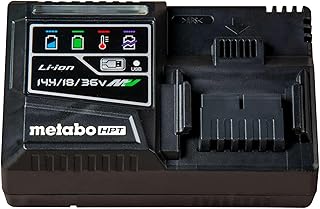


A Metabo planer can be a practical choice when you need to prepare timber, reduce board thickness, smooth rough surfaces, or create consistent dimensions for woodworking projects. Whether you are working in a home workshop, completing renovations, or handling professional carpentry tasks, the right planer can make timber preparation faster and more consistent.
For Canadian shoppers, choosing a planer should start with the type of work you regularly perform. A compact hand planer may suit smaller boards, on-site adjustments, doors, frames, and general carpentry. A larger workshop-oriented machine can be better suited to repeated stock preparation and projects where consistent results are important. Consider your workspace, material sizes, expected workload, and available power before selecting a model.
Planers are available in different configurations, so there is no single model that is ideal for every application. Start by considering whether you need portability or prefer a dedicated workshop machine. Portable designs are useful when the tool needs to move between work areas. They can also be convenient for renovation projects where boards, doors, or other timber components need adjustment at the job site.
For workshop use, pay close attention to the planer’s cutting width and depth capacity. These specifications help determine the size and type of timber you can process. A suitable cutting width can reduce the number of passes required, while adjustable depth settings allow you to remove material according to the project requirements.
Power is one of the key specifications to compare. A planer with sufficient power can maintain cutting performance when working with suitable timber at an appropriate feed rate. However, power should not be considered alone. Cutting width, maximum cutting depth, cutter speed, weight, ergonomics, and dust management can all affect how practical a planer is in everyday use.
Another important consideration is control. A comfortable grip and well-designed controls can make repeated planing tasks easier to manage. If you expect to use the tool for extended periods, consider its overall weight and balance. A lighter model can be easier to manoeuvre, while a heavier machine may be better suited to stable workshop operation.
Handheld planers are commonly used for removing small amounts of material, levelling timber edges, fitting doors, and making adjustments during construction or renovation work. They are especially useful when portability matters. Workshop planers, on the other hand, are designed around repeatable stock preparation and can be appropriate when dimensional consistency is a priority.
Before buying, check the product specifications carefully to confirm the intended application. Consider the timber dimensions you normally work with and whether the planer’s capacity matches those requirements. This simple step can help prevent choosing a machine that is too small for your projects or unnecessarily large for occasional work.
Cutting capacity is an important comparison point. The maximum cutting width indicates how wide a surface can be processed in a suitable pass. Cutting depth indicates how much material can be removed at a given setting. Deeper cuts can remove material more quickly, but lighter passes are often useful when greater control and surface quality are required.
Blade or cutter design also contributes to performance. Check replacement and maintenance requirements before making a purchase. Regularly maintained cutting components can help support consistent results. Always follow the manufacturer’s operating and maintenance instructions for the specific model you choose.
A portable Metabo planer can be useful for contractors, renovators, and DIY users who work in different locations. When comparing portable models, consider weight, overall dimensions, power requirements, handling, and the availability of a suitable work surface. These factors can matter when transporting tools between a workshop, garage, renovation site, or construction project.
Canadian shoppers should also check the electrical specifications and product details before ordering. Confirm that the model is appropriate for the intended Canadian power supply and that the product configuration matches your requirements. Availability, delivery options, warranty terms, and replacement parts can also be useful factors when comparing products.
A simple comparison can help narrow your options. First, identify the type of timber and typical board dimensions you work with. Next, compare cutting width, maximum cutting depth, power, speed, weight, and other listed specifications. Then consider portability and ease of handling. Finally, review the product information, included accessories, and current purchasing details before making a decision.
For occasional DIY work, portability and ease of use may be more important than maximum capacity. For frequent professional work, capacity, durability, handling, and maintenance requirements may deserve greater attention. By matching the planer to the job rather than simply choosing the most powerful option, you can make a more practical purchasing decision.
Explore the Metabo planer category to compare suitable options for woodworking, carpentry, renovation, and timber preparation. Review each product’s specifications and consider your workspace, project requirements, and expected usage before choosing a model.
Find a Metabo planer for accurate timber preparation, workshop projects, renovations, and professional woodworking. Compare available models by power, cutting width, depth capacity, portability, and practical features to help choose the right planer for your needs in Canada.