

♥ Wishlist


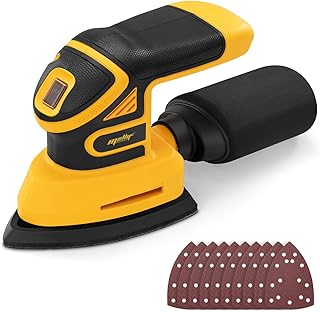


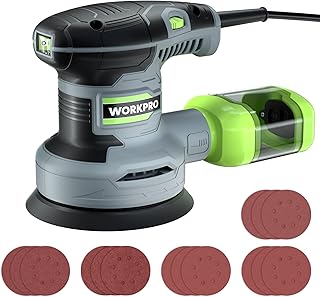


Milwaukee Sanders are built for users who need reliable sanding performance across woodworking, renovation, maintenance and finishing applications. A suitable sander can help remove old coatings, smooth rough timber, prepare surfaces for painting and produce a cleaner finish on a wide range of materials. For Canadian tradespeople, contractors, renovators and serious DIY users, the right sanding tool can also help make repetitive preparation work more manageable.
When choosing a Milwaukee Sander, consider the type of work you do most often. Different sanding tools are suited to different movements, surfaces and finishing requirements. A random orbital sander is commonly selected for versatile surface preparation and finishing, while other sanding formats may be better suited to specific tasks. Matching the tool to the application helps you maintain better control and achieve a more consistent result.
Project requirements should guide your choice. For furniture work and general woodworking, a versatile sander can be useful for smoothing timber and preparing surfaces before coating. For renovation work, sanding may involve removing aged finishes, preparing doors or cabinets, or correcting uneven areas. A tool that offers comfortable handling and appropriate sanding capacity can be particularly useful when working across larger surfaces.
Cordless sanding tools can be a practical choice for mobile jobs and locations where access to a power outlet is limited. Battery-powered equipment can also reduce the need to manage a power cord while moving around a workpiece. If you already use compatible Milwaukee battery platforms, selecting a cordless model that fits your existing setup may help simplify your tool collection. For workshop environments, corded equipment can also be considered when continuous operation is a priority.
Speed and control are important when working with different materials. Aggressive sanding may be useful for removing material or preparing a heavily worn surface, while a more controlled approach is often preferred for final finishing. Adjustable settings, where available, can provide greater flexibility for changing applications. Always select an appropriate abrasive and work at a suitable speed for the material being sanded.
Sanding can create significant amounts of dust, particularly during longer jobs. A suitable dust collection setup can help keep the immediate work area cleaner and improve visibility around the sanding surface. Depending on the model and application, users may connect the tool to an appropriate dust extraction system. Proper respiratory protection, eye protection and workshop ventilation should also be considered when sanding materials that generate airborne particles.
Woodworkers can use sanding tools for a variety of preparation and finishing tasks. Sanding can help smooth timber after cutting, prepare joints and surfaces, remove imperfections and create a suitable base for paint, stain or other finishes. Choosing the correct abrasive grade is important. Coarser abrasives can remove material more quickly, while finer grades are generally used for final smoothing.
For furniture, cabinetry and other detailed projects, handling can be just as important as sanding performance. A well-balanced tool can make it easier to maintain consistent contact with the surface. Smaller or more manoeuvrable sanding solutions may also be useful when working around edges, corners and detailed areas. Consider the shape of the workpiece and the amount of sanding required before selecting your tool.
Renovation professionals often need sanding equipment for doors, trim, cabinetry, timber surfaces and preparation work. A dependable sander can help prepare surfaces before repainting or refinishing. Contractors may also value cordless portability when moving between rooms, job sites or unfinished properties. For frequent professional use, factors such as ergonomics, battery availability, sanding area and accessory compatibility can influence the overall suitability of a model.
Canadian users should also consider the conditions in which the tool will be used. Indoor workshop projects may have different requirements from construction or renovation work performed in less controlled environments. Keeping sanding equipment clean, checking accessories regularly and following the manufacturer's operating guidance can help support safe and dependable use.
Start by identifying the material and application. Next, consider whether cordless portability or continuous corded operation better suits your workflow. Think about the size of the surfaces you typically sand, the level of finish required and how frequently the tool will be used. Battery availability, abrasive compatibility and dust extraction should also be part of the decision.
Canadian shoppers can compare Milwaukee Sanders based on their intended application rather than choosing solely by power or price. A model designed for detailed finishing may be a better choice for furniture work, while a versatile option may suit general renovation tasks. For professional environments, prioritising handling, durability and compatibility with existing equipment can help create a more practical long-term setup.
Explore Milwaukee Sanders at USToolMart to find sanding equipment suited to woodworking, renovation, maintenance and finishing applications. Compare available options according to your project, preferred power source and sanding requirements. Whether you are preparing timber for a new finish or completing a renovation project, choosing the right sanding tool can help you work with greater control and consistency.