
♥ Wishlist


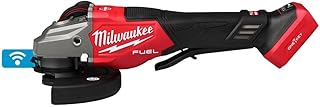
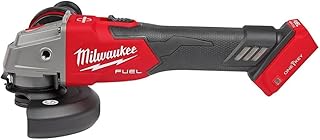




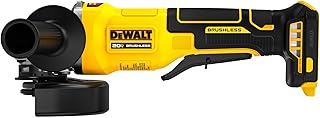


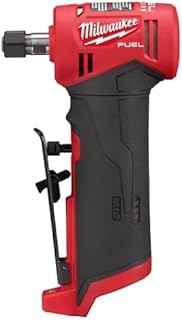


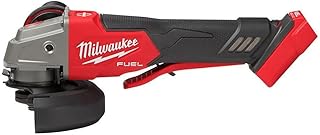

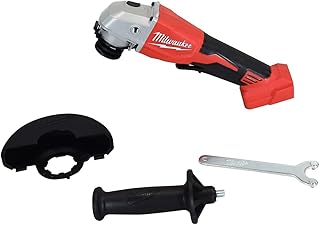

Milwaukee Angle Grinders are versatile power tools built for a wide range of material-removal and cutting applications. They can be used with suitable accessories for grinding metal, cutting materials, removing rust, preparing welds, smoothing surfaces and completing general fabrication work. For Canadian professionals, selecting the right grinder depends on the material, application, working environment and amount of power required.
Angle grinders are available in several configurations. A compact grinder can be useful where space is limited or when working overhead. Larger models can provide a practical solution for heavier grinding and cutting duties. Milwaukee also offers cordless options that can be useful on active jobsites where access to an electrical outlet is limited. Corded grinders can be a suitable choice for workshops and other locations where continuous mains power is readily available.
Milwaukee cordless angle grinders offer freedom of movement without requiring a power cable. This can be especially useful for construction, renovation, installation and maintenance work where the work area changes frequently. Battery-powered grinders can also reduce the need for extension cords across a busy workspace.
When choosing a cordless model, consider the battery platform, grinder size, expected workload and available batteries. Users who already own compatible Milwaukee battery tools may find it convenient to select a grinder that works with their existing battery system. Keep in mind that battery and charger requirements can vary by model, so check the individual product specification before ordering.
Milwaukee corded angle grinders provide a dependable option for users who regularly work near a suitable electrical supply. They can be well suited to fabrication areas, workshops, repair facilities and other fixed workspaces. Since the power source is continuous, a corded grinder can be practical for extended applications where battery changes would otherwise interrupt the workflow.
Disc size is an important consideration when comparing angle grinders. Different grinder sizes are intended for different applications, and the accessories must match the tool's specifications. A smaller grinder may offer easier handling for detailed work, while a larger grinder can be better suited to more demanding material removal or cutting tasks.
Before buying, check the supported wheel or disc diameter, spindle specifications, rated speed and accessory requirements. Always use accessories that are compatible with the grinder and intended for the material and application. Following the manufacturer's instructions helps support safe and effective operation.
Canadian shoppers can compare several practical characteristics when selecting Milwaukee Angle Grinders. These may include motor performance, grinder size, power source, speed, switch design, guard configuration, handle arrangement and compatibility with available accessories. Depending on the model, additional design features may help improve control, handling or convenience during particular applications.
If your main task involves metal fabrication, look for a grinder and accessory combination suited to metal cutting, grinding or weld preparation. The correct disc is just as important as the tool itself. Consider the thickness and type of material before selecting an accessory.
Angle grinders can also be used for tasks such as rust removal, surface cleaning and preparation when the correct accessory is fitted. Wire wheels, abrasive products and other attachments have different purposes, so verify compatibility and application requirements before use.
Canadian working conditions can vary significantly between indoor workshops, residential renovation projects and outdoor construction sites. A cordless grinder can provide flexibility when moving between work areas, while a corded model may make sense in a workshop with readily available electricity. Storage, transportation and battery management can also influence the best choice for mobile users.
Canadian buyers should also review product specifications carefully before purchasing. Pay attention to voltage, included accessories, battery or charger inclusion, warranty information and product availability. Product packages can differ, so comparing the exact model number and included items can help avoid ordering an option that does not match your existing equipment.
Choosing the right Milwaukee Angle Grinder starts with identifying the work you perform most often. Think about whether you primarily need cutting, grinding, finishing or surface preparation. Next, consider whether cordless mobility or continuous corded power is more suitable. Grinder size, accessory compatibility and handling preferences can then help narrow the selection.
For Canadian tradespeople, contractors, fabricators, maintenance professionals and DIY users, Milwaukee Angle Grinders can provide a flexible solution for a variety of workshop and jobsite applications. Compare the available models, review their specifications and select a grinder that matches your intended work and compatible accessories.
Milwaukee Angle Grinders are designed for demanding cutting, grinding, finishing and surface-preparation tasks in workshops, construction environments and maintenance applications. Canadian tradespeople and DIY users can choose from different grinder configurations, disc sizes, power options and features to suit the job at hand. Whether you need a compact cordless grinder for convenient movement around a jobsite or a corded model for consistent access to mains power, this category makes it easier to compare Milwaukee options in one place.