

♥ Wishlist
Compare 28 DeWalt Die Grinders products in Canada. Reviews, ratings, pros, cons and buying advice updated for October 2026.


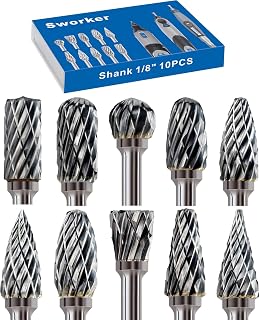


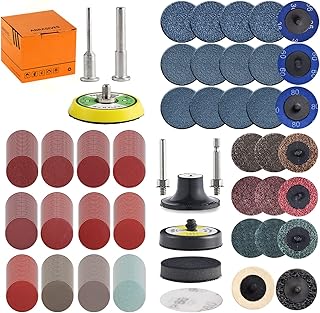


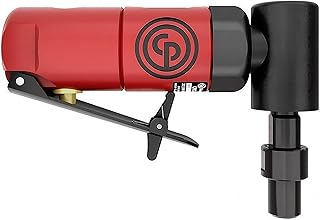


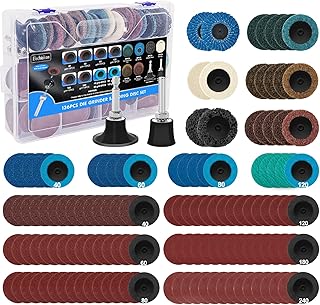


Choosing a precision DeWalt die grinder is less about finding the most powerful tool and more about matching the grinder's drive system, speed range, collet size, ergonomics, and intended material to the work you actually perform. A compact die grinder can be useful for deburring, porting, blending welds, polishing, cleaning castings, sharpening, and detailed metalwork, but the right specification depends heavily on the application.
For Canadian buyers, it is also worth considering the difference between pneumatic and cordless models, the availability of compatible accessories, the electrical platform used by cordless tools, and the working conditions in which the grinder will be operated. Comparing these factors before purchase can prevent the common mistake of choosing a tool based solely on advertised speed or brand recognition.
Precision work requires control as much as raw cutting power. A die grinder should allow the operator to position a small abrasive, carbide burr, sanding drum, or polishing accessory accurately without excessive vibration or awkward hand positioning.
One of the most important purchasing decisions is choosing between an air-powered and battery-powered die grinder. Neither design is universally better. The appropriate choice depends on the workshop infrastructure, mobility requirements, duty cycle, and type of finishing work.
Pneumatic die grinders are traditionally popular in automotive, fabrication, machining, and industrial environments where a suitable compressed-air system is already available. Their relatively compact form can make them attractive for repetitive grinding and finishing operations.
However, the grinder itself is only part of the pneumatic system. Buyers should consider compressor capacity, hose length, air fittings, air consumption, filtration, lubrication requirements where applicable, and pressure requirements. A grinder connected to an undersized compressor may not deliver the expected performance during continuous work.
Cordless DeWalt die grinders can be more convenient where portability and rapid setup matter. They eliminate the air hose and can be useful when moving around a vehicle, jobsite, fabrication area, or maintenance environment.
The trade-off is that battery weight, runtime, charging, and the overall balance of the tool become part of the buying decision. Buyers who already own compatible DeWalt batteries may also value platform compatibility, but the battery and charger requirements should still be considered when comparing the total cost of ownership.
High spindle speed is a defining characteristic of many die grinders, but maximum RPM alone is not a reliable way to compare models. The correct speed depends on the accessory, accessory diameter, material, and operation.
For example, a small carbide burr may be used differently from a larger abrasive wheel or polishing accessory. Accessories are normally marked with maximum permissible operating speeds, and the grinder should never be operated beyond the accessory's rated limit.
A variable-speed model can provide greater flexibility for users who work across different materials and finishing tasks. Fixed-speed tools may still be perfectly suitable when the intended application consistently matches the grinder's operating characteristics.
The collet is a critical specification that is easy to overlook. A die grinder may be designed around a particular shank diameter, while accessories are available in several sizes. Common accessory shank dimensions vary by tool and market, so buyers should confirm the exact specification for the model under consideration rather than assuming compatibility.
A properly matched accessory should be seated securely according to the manufacturer's instructions. The collet should be kept clean and inspected periodically for damage or contamination. Accessories should also be checked for cracks, deformation, excessive wear, or other defects before use.
Accessory compatibility should always be confirmed before installation. Diameter, shank size, maximum RPM, material suitability, and the grinder manufacturer's instructions all matter.
When evaluating pneumatic models, look beyond the advertised maximum speed. A more useful comparison includes several specifications that affect how the grinder behaves during real work.
For cordless models, battery platform and ergonomics deserve as much attention as the grinder's headline performance figures.
Canadian buyers should evaluate a die grinder according to the environment in which it will be used. A tool intended for occasional garage projects has different priorities from one used for frequent automotive repair or metal fabrication.
Automotive applications can include gasket-surface preparation, deburring, cleaning, porting, rust and coating removal, weld finishing, and access work around components. A compact body and controllable speed can be particularly valuable when working around sensitive components.
For vehicle work, consider whether the absence of an air hose is worth prioritizing. A cordless model can simplify mobile work, while a pneumatic model may remain attractive in a well-equipped shop with a capable compressor.
Fabricators may use die grinders for weld blending, edge preparation, deburring, cleaning, and finishing. In this environment, accessory availability and continuous-work ergonomics can be more important than having the absolute highest spindle speed.
Machining-related finishing tasks place a premium on controllability. Small burrs and mounted abrasives can remove material quickly, so steady handling and appropriate speed selection are essential. The grinder should be treated as a finishing and material-removal tool rather than a substitute for a machine designed for precision dimensional machining.
Occasional users should consider total ownership requirements. A cordless grinder can be attractive when portability is important, whereas a pneumatic model may make sense if the garage already contains a compressor and suitable air infrastructure.
A die grinder can appear excellent on paper yet be uncomfortable during prolonged use. Small differences in body diameter, grip shape, trigger placement, tool length, exhaust position, and weight distribution can affect handling.
Grinding tools generate vibration and noise, and these characteristics should be part of the purchasing decision. Excessive vibration can make fine control more difficult and can contribute to fatigue during prolonged work.
Noise is another consideration, particularly in enclosed garages and workshops. Pneumatic grinders can produce significant operating noise, while the overall sound level of cordless equipment varies by design and workload. Appropriate hearing protection and other personal protective equipment should be selected according to the work environment and applicable safety guidance.
For a precision-oriented grinder, durability involves more than the outer housing. The spindle, bearings, collet system, gears where applicable, motor, switches, and internal components all influence how the tool performs over time.
Metal housings can provide a robust feel, while engineered polymer components can help reduce weight. Neither material choice should be evaluated in isolation. The quality of the overall design, component fit, thermal management, serviceability, and manufacturer's specifications are more meaningful than simply choosing the tool with the most metal.
The fastest tool is not automatically the most useful precision grinder. Accessory ratings and application requirements should determine the appropriate operating speed.
For pneumatic tools, compressor compatibility is essential. A grinder can have impressive specifications yet perform poorly if the air supply cannot maintain the required operating conditions.
Before ordering, confirm the accessory shank dimensions you expect to use. A grinder that cannot securely accommodate your preferred accessories may create unnecessary replacement costs.
For cordless tools, determine whether the product is sold as a bare tool or complete kit and verify compatibility with your existing battery system.
Weight alone does not tell the whole story. A well-balanced grinder may feel easier to control than a slightly lighter tool with an awkward centre of gravity.
Grinding and cutting accessories are not interchangeable simply because they fit physically. Always verify accessory type, size, material suitability, maximum operating speed, and the manufacturer's instructions.
DeWalt is one of the major brands worth considering when shopping for professional and serious DIY power tools, but it should not automatically be treated as the right choice for every buyer. Depending on the application, buyers may also compare offerings from Milwaukee, Makita, Bosch, Metabo, and other established manufacturers.
The most useful comparison is not simply brand versus brand. Instead, compare the specific grinder's speed control, drive system, collet arrangement, ergonomics, battery platform or air requirements, accessory compatibility, included equipment, and manufacturer documentation.
For cordless users, platform compatibility can be a major deciding factor. If a workshop already uses one battery ecosystem, staying within that ecosystem may simplify charging and battery management. Compare the individual die grinders rather than assuming that one brand is universally superior.
Makita is another established power-tool manufacturer with a broad cordless and professional-tool ecosystem. Buyers should compare ergonomics, speed settings, accessory compatibility, battery requirements, and the exact intended application.
Bosch offers another established option for buyers who want to compare professional-oriented power tools. As with any brand comparison, the model-specific specifications matter more than the logo on the housing.
Metabo is particularly relevant to buyers focused on metalworking and industrial-style applications. When comparing a Metabo grinder with a DeWalt model, pay close attention to the intended duty cycle, speed characteristics, accessory system, ergonomics, and power source.
When reviewing a shortlist of ten models, use a consistent evaluation framework. This prevents a high headline specification from overshadowing a feature that matters more to your actual work.
Customer ratings can provide useful buying signals, but they should be interpreted alongside technical specifications. A high rating does not necessarily mean a grinder is suitable for precision metalwork, while a lower rating may sometimes reflect a mismatch between user expectations and the intended application.
When reading verified customer reviews, look for repeated comments about the same practical characteristics. Useful themes include ease of control, battery life where applicable, balance, collet performance, durability, noise, vibration, and suitability for the stated workload.
Be cautious with reviews that provide no information about how the tool was used. A grinder used occasionally for light DIY work is being evaluated under very different conditions from a tool used regularly in fabrication.
Die grinders operate at high rotational speeds and should be treated as serious workshop equipment. Before use, read the manufacturer's instructions and the instructions supplied with each accessory.
Routine maintenance can help preserve performance and reduce avoidable wear. The correct maintenance procedure depends on the specific model, so the manufacturer's instructions should take priority.
Use the air-treatment, lubrication, pressure, and maintenance procedure specified for the particular grinder. Keep hoses and fittings in good condition, and prevent contaminated air from reaching the tool. Air leaks can also reduce system efficiency and affect tool performance.
Keep ventilation openings clear and inspect the tool for accumulated metal dust and debris. Store batteries according to the battery manufacturer's recommendations and inspect both the battery and tool for visible damage before use.
Keep the collet and spindle area clean. Inspect the collet for signs of wear or damage, and avoid forcing accessories into an unsuitable opening. A damaged or poorly maintained collet can compromise accessory retention and tool control.
Precision is influenced by technique as well as equipment. Start with an accessory appropriate for the material and task, establish a stable working position, and use controlled movements rather than excessive pressure.
Allow the abrasive or cutting edge to perform the work. Heavy pressure can increase heat, reduce control, accelerate accessory wear, and place unnecessary load on the grinder. For finishing operations, gradual material removal is generally easier to control than attempting to remove a large amount of material in a single pass.
A die grinder is versatile, but versatility does not mean it is the best tool for every job. A larger angle grinder may be more appropriate for substantial material removal. A rotary tool may offer better control for very small, delicate work. A dedicated polisher can be preferable for certain finishing operations, while a drill or drill press may be better suited to drilling tasks.
The best purchase is therefore the tool that matches the work rather than the tool with the largest specification sheet. If most of your jobs involve small-area metal finishing and access work, a die grinder can be highly useful. If your workload involves heavy stock removal, choosing a larger tool may be more efficient.
Before purchasing one of the precision DeWalt die grinders in your shortlist, verify the model-specific details rather than relying on a generic product description.
The best choice depends on the application rather than one universally superior model. For precision work, prioritize controllable speed, suitable collet compatibility, manageable weight, low vibration, and ergonomics appropriate to the task.
Not necessarily. Cordless models offer portability and eliminate the need for an air hose, while pneumatic models can be particularly practical in workshops that already have suitable compressed-air equipment. Compare the complete workflow rather than only the tool itself.
There is no single ideal RPM for every application. The correct operating speed depends on the grinder, accessory, accessory diameter, material, and task. Always remain within the operating limits specified by both the grinder and accessory manufacturer.
Choose a collet that matches the shank size of the accessories you intend to use and confirm compatibility with the exact grinder model. Do not assume that accessories of similar appearance will automatically fit.
They can be suitable for many automotive grinding, deburring, cleaning, blending, and finishing tasks when the selected model and accessory are appropriate for the job. The correct accessory, speed, workspace, and technique remain important.
Some die grinders can be used with compatible polishing accessories, provided the accessory is specifically rated for the tool's operating speed and intended application. Check the accessory and grinder instructions before use.
Variable speed can be beneficial when you work with different accessories and materials because it provides greater control over operating conditions. If your work is highly consistent, a fixed-speed design may still meet your needs.
Confirm the exact model configuration, battery or air requirements, included accessories, collet specification, operating limits, and current Canadian retailer information. Product configurations and pricing can change, so verify the details at the time of purchase.
The appropriate model depends on the workload and operating environment. Professional users should place particular emphasis on duty requirements, ergonomics, maintenance procedures, accessory compatibility, and the manufacturer's technical documentation rather than relying solely on consumer ratings.
Maintenance intervals vary by model, power source, frequency of use, and working environment. Follow the maintenance schedule and procedures supplied by the manufacturer, and inspect the tool and accessories regularly for wear, damage, contamination, or other issues.
The strongest buying decision comes from matching the grinder to the work rather than simply selecting the model with the highest advertised specification. Start with your power source, then evaluate speed control, collet compatibility, accessory requirements, ergonomics, weight, operating environment, and expected workload.
For Canadian shoppers comparing the top precision DeWalt die grinders in 2026, a careful model-by-model review of specifications and verified customer feedback is more useful than relying on a single rating or generic recommendation. Check the latest product configuration, compare the specifications that matter to your application, and verify current Canadian pricing and retailer information before making the final purchase.