

♥ Wishlist
Compare 15 Trimmers Hedge Cutters for Canadian Gardens products in Canada. Reviews, ratings, pros, cons and buying advice updated for October 2026.


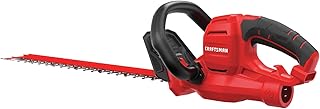


Choosing a precision trimmer or hedge cutter is less about finding the most powerful machine and more about matching the tool to the hedge, branch thickness, working height, garden size and frequency of use. Canadian homeowners may also need to consider cold-weather storage, battery compatibility, seasonal availability and the practical difference between a compact precision trimmer and a full-size hedge cutter.
Before comparing individual models, identify the type of cutting work you actually need to perform. Small ornamental shrubs, boxwood-style hedges and detailed shaping generally benefit from a lighter precision tool, while established privacy hedges and thicker woody growth can call for a longer blade, greater cutting capacity and a more substantial power system.
The terms are sometimes used interchangeably, but they can describe tools intended for different jobs. A precision trimmer is generally designed around control, manoeuvrability and detailed shaping. A hedge cutter is typically intended to cover more material efficiently across larger sections of a hedge.
Product specifications can look very similar at first glance, so it helps to understand what each specification means in practical use. A higher number is not automatically better if it adds weight or reduces manoeuvrability for the type of hedge you maintain.
Blade length affects how much hedge can be covered during each cutting pass. A longer blade can be useful for maintaining broad, straight hedge surfaces, while a shorter blade may provide better control when shaping smaller plants or working around tight corners.
When comparing models from brands such as DeWalt, Makita, Milwaukee, Bosch, Ryobi and Greenworks, consider blade length alongside overall tool weight and balance rather than evaluating it in isolation.
Tooth spacing is particularly important when comparing hedge cutters intended for different types of vegetation. Narrower spacing can make sense for fine, relatively soft hedge growth, while wider spacing may be more suitable for thicker stems within the manufacturer's stated cutting capacity.
Do not assume that a wider tooth gap means a tool is appropriate for every type of woody branch. Always compare the manufacturer's stated maximum cutting capacity with the vegetation you expect to encounter.
Electric hedge cutters may use corded power, removable batteries or other electrical configurations. Battery-powered equipment provides greater freedom of movement, while corded equipment can be convenient when continuous access to a suitable outdoor power source is available.
For cordless systems, the battery platform deserves particular attention. If you already own compatible tools, staying within the same ecosystem can reduce the need to purchase additional batteries and chargers. Common ecosystems include DeWalt 20V MAX, Makita 18V, Milwaukee M18, Bosch 18V, Ryobi ONE+ and Greenworks battery platforms.
Battery capacity should be considered together with the size of your garden and the density of the hedge. A larger-capacity battery may provide longer operating time, but it can also add weight. Runtime can vary significantly according to vegetation density, cutting technique, temperature, battery condition and the particular tool.
For this reason, avoid treating a manufacturer's stated runtime as a universal measure of how long the tool will operate in your garden. Use it as a reference point and compare the complete battery system with your expected workload.
Weight becomes increasingly important when trimming tall or wide hedges because the tool may be held away from the body for extended periods. A technically capable machine can become uncomfortable if its weight distribution makes the cutting head difficult to control.
Cordless models are particularly convenient for gardens where freedom of movement matters. There is no extension cord to manage while moving along a hedge, and battery systems can be shared with compatible outdoor power equipment.
The main considerations are battery cost, runtime, charging requirements, storage conditions and whether the tool is sold as a bare tool or complete kit. A lower headline price may represent a tool-only package that requires a compatible battery and charger.
Corded hedge cutters can be practical for homeowners with smaller areas that are within convenient reach of a suitable outdoor electrical connection. They avoid battery charging and can provide continuous operation, but the cord requires careful management.
When using a corded outdoor power tool, follow the manufacturer's electrical and safety requirements and use equipment appropriate for outdoor conditions. Keep the cable positioned away from the cutting path at all times.
Gas-powered hedge cutters can be relevant for demanding professional workloads, but they generally involve additional considerations such as fuel, engine maintenance, storage and operating emissions. For many residential users, modern cordless equipment can be a simpler alternative for routine hedge maintenance.
Precision work rewards control rather than maximum cutting capacity. If your primary objective is to maintain decorative shrubs, shape smaller hedges or tidy new growth, prioritise a manageable form factor and comfortable handling.
Large privacy hedges create a different set of requirements. The objective is usually to remove substantial amounts of growth efficiently while maintaining a consistent hedge profile.
Some hedge cutters use an adjustable or articulating cutting head. This can be useful when creating a consistent top surface or working on the sides of taller hedges without changing body position as frequently.
However, an adjustable head can add mechanical complexity and may change the balance of the tool. If reach and cutting angle are important to you, compare the adjustment mechanism, available positions, locking method and overall weight rather than treating articulation as an automatic advantage.
A pole hedge trimmer can be useful for taller hedges where a standard handheld cutter would require awkward reaching. The additional reach can reduce the need to work from an elevated position, but the longer tool can also be more demanding to hold and manoeuvre.
For tall hedges, compare the tool's total length, cutting-head angle, balance, weight and manufacturer-approved operating method. Never use a hedge cutter from an unsafe ladder or elevated position simply to gain additional reach.
The blade is one of the most important components of a hedge cutter. Look for specifications describing blade length, tooth spacing, cutting capacity and blade construction. These details provide a better basis for comparison than marketing descriptions such as “powerful” or “professional.”
A hedge cutter should be matched to the type and maturity of the vegetation. Repeatedly forcing a tool beyond its intended cutting capacity can increase strain on the cutting mechanism and may produce poor results.
Double-sided blades can be convenient for general hedge maintenance because they allow cutting movements in either direction. Single-sided configurations may be designed around particular professional or directional trimming applications.
For residential buying decisions, the more useful question is whether the blade arrangement feels appropriate for your normal cutting direction, hedge shape and level of control.
Hedge trimming is repetitive work, so ergonomics can have as much practical importance as motor specifications. A tool that feels manageable during a short demonstration may feel very different after an extended trimming session.
Battery compatibility can be one of the most important long-term purchasing decisions. If you already own cordless tools, check whether the hedge cutter is compatible with the batteries you have rather than automatically choosing a new platform.
DeWalt, Makita, Milwaukee, Bosch, Ryobi and Greenworks all have cordless tool ecosystems, but compatibility is platform-specific. A battery that appears to have a similar voltage or physical design should not be assumed to work with another manufacturer's equipment.
Always verify the exact battery family, charger requirements and compatibility information for the specific model being considered.
Canadian shoppers should check what is included in the box before comparing prices. Two apparently similar listings can represent very different packages.
When comparing today's prices, calculate the complete cost of obtaining a usable system rather than comparing the advertised tool price alone.
A more powerful tool is not necessarily the better choice for a small ornamental hedge. Extra weight and bulk can make detailed trimming less comfortable and less precise.
A cordless tool's advertised weight may be presented without the battery. Check the complete operating weight before making a decision, especially if the tool will be used above shoulder level.
A long blade may cover more area, but it can also make close shaping more difficult. Blade length should be matched to the size and geometry of the hedge.
Battery platforms are not universally compatible. Confirm the exact platform and model requirements before purchasing a bare tool.
A hedge may look visually uniform while containing occasional mature stems that are considerably thicker than the surrounding growth. Compare the stated cutting capacity with the largest material you realistically expect to encounter.
A low price can be misleading if a required battery, charger or other essential component is excluded. Review the package contents carefully.
When two models appear similar, use a structured comparison rather than relying on brand recognition or headline power figures.
Customer reviews can provide useful information, but they should be evaluated critically. A review describing a tool as “powerful” does not necessarily mean it is suitable for your hedge, and a complaint about runtime may reflect a different garden size or battery configuration.
Look for repeated comments concerning the same practical characteristics. Useful review themes include balance, battery life under comparable workloads, ease of handling, cutting consistency, charging behaviour, blade performance and long-term durability.
Give more weight to detailed reviews that explain the user's application and operating conditions. When possible, compare customer feedback with the manufacturer's specifications instead of treating individual opinions as universal performance measurements.
A compact cordless precision trimmer may be the most convenient option when the workload consists primarily of light hedge maintenance and shrub shaping. Low weight and easy storage may be more valuable than maximum cutting capacity.
A versatile cordless hedge cutter can provide a useful balance between mobility and productivity. Consider battery capacity carefully if several hedges need to be maintained during the same session.
Larger properties may justify a higher-capacity cordless platform or equipment designed for more demanding workloads. Multiple compatible batteries can be particularly useful when the total cutting area exceeds the practical runtime of one battery.
Canada's varied climate makes seasonal storage an important part of ownership. Hedge trimming is generally associated with warmer growing seasons, while equipment may spend a considerable amount of time stored during colder months.
Follow the manufacturer's storage instructions for the exact tool and battery. For cordless equipment, pay particular attention to battery storage conditions, charging guidance and temperature recommendations. Avoid assuming that a battery should be stored in exactly the same conditions as the complete tool.
Before the next trimming season, inspect the tool, blade, housing, handles, battery and charger for visible damage or deterioration. Replace damaged components according to the manufacturer's instructions rather than attempting improvised repairs.
Regular maintenance can help preserve cutting performance and identify problems before the next major trimming session. Always follow the specific manufacturer's instructions because maintenance procedures vary by model.
Sharp, properly maintained blades can make trimming more controlled and efficient. Do not attempt sharpening unless the manufacturer provides an appropriate procedure or the work is performed by a qualified service provider. Some blade assemblies require specific adjustment or replacement procedures.
Battery care depends on the battery chemistry, platform and manufacturer's instructions. Use the designated charger, follow charging guidance and avoid storing or charging batteries in unsuitable conditions. Inspect batteries for visible damage before use.
Hedge cutters combine rapidly moving cutting components with substantial electrical or mechanical power. Read the manufacturer's operating instructions before use and use the protective equipment specified for the particular tool and task.
Brand reputation can be useful, but it should not replace model-specific research. Established power-tool manufacturers such as DeWalt, Makita, Milwaukee, Bosch, Ryobi and Greenworks offer different product ranges, battery platforms and tool designs.
The most useful brand-level consideration is whether the manufacturer supports the product ecosystem you intend to use. Look at battery compatibility, replacement components, operating documentation and the range of compatible equipment rather than choosing solely on the logo printed on the housing.
Professional-oriented hedge cutters can offer features intended for frequent or demanding use, but residential buyers should consider whether those advantages justify additional weight, cost or complexity.
A homeowner who trims a modest hedge a few times each season may benefit more from easy handling and straightforward maintenance. Someone responsible for extensive hedging may place greater value on cutting capacity, battery availability, durability-oriented design and ergonomic features for longer sessions.
The best value is not necessarily the lowest purchase price. Consider the total cost of the system over the period you expect to use it. For cordless equipment, this can include the battery and charger if they are not supplied. For any hedge cutter, consider consumables, replacement components and the practical lifespan you expect from the tool.
It is also worth comparing several reputable retailers when checking current Canadian pricing. Product bundles, battery configurations and promotions can change independently, so make sure the model number and included accessories are identical before comparing offers.
There is no single best model for every Canadian garden. The right choice depends on hedge size, vegetation thickness, required reach, preferred power source, battery ecosystem, weight and budget. A compact precision trimmer may be preferable for detailed shaping, while a longer and more capable hedge cutter may be better for extensive privacy hedges.
Cordless hedge cutters can be a strong choice when freedom of movement, low cable management and compatibility with an existing battery platform are important. The decision should also account for battery capacity, charging requirements and the total weight of the tool with its battery installed.
Choose a blade length based on the size and shape of the hedge. Longer blades can be useful for broad, straight hedge surfaces, while shorter blades can offer easier control for compact shrubs and detailed shaping.
No. Higher capacity can be useful for thicker vegetation, but it may come with additional weight, size or cost. Match the cutting capacity to the vegetation you actually maintain.
If you already own compatible batteries and a charger, a bare tool may be practical. If you are entering a new cordless platform, compare the complete kit cost because purchasing the battery and charger separately can change the overall value.
A versatile hedge cutter can handle many routine applications, but no single specification is ideal for every situation. Fine ornamental shrubs, dense privacy hedges, tall hedges and thicker woody growth can each favour different blade lengths, tooth spacing, cutting capacities and tool designs.
Weight is especially important for hedge cutters because the tool is often held away from the body and may be used at different angles. Compare the complete operating weight, including the battery when applicable, rather than relying only on the bare-tool specification.
Basic inspection and cleaning should generally be performed according to the manufacturer's instructions and after use when appropriate. More detailed blade, battery and mechanical maintenance depends on the specific model. Always follow the maintenance schedule and procedures supplied with the equipment.
Established manufacturers such as DeWalt, Makita, Milwaukee, Bosch, Ryobi and Greenworks can offer extensive cordless ecosystems and product documentation, but brand reputation alone should not determine a purchase. Compare the specific model's specifications, compatibility, ergonomics, intended application and manufacturer guidance.
The strongest buying decision starts with the hedge rather than the product listing. Measure the practical workload, identify the thickest vegetation, determine whether you need precision or productivity, and decide whether a cordless battery platform makes sense for your existing tools.
Then compare blade length, tooth spacing, cutting capacity, weight, balance, battery configuration, included accessories and maintenance requirements. When reviewing current Canadian offers, confirm the exact model number and package contents before comparing prices.
For an independent purchasing decision, combine manufacturer specifications with detailed customer feedback and current retailer information. This approach helps distinguish genuine differences between precision trimmers and hedge cutters and makes it easier to select a tool that fits the way you actually maintain your garden.
Use the specifications, application guidance and comparison criteria above as a framework when evaluating the leading precision trimmers and hedge cutters available to Canadian shoppers in 2026. The right choice is the one that provides sufficient cutting capability for your vegetation while remaining comfortable, practical and appropriate for the way you work.