

♥ Wishlist


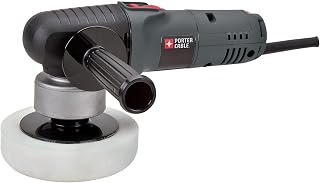


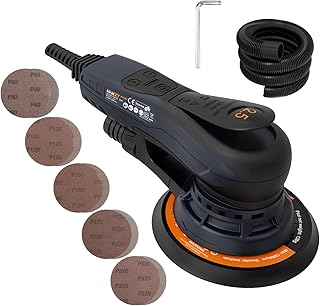
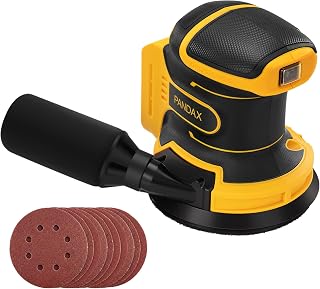


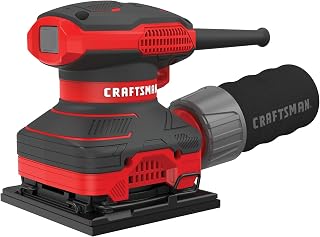

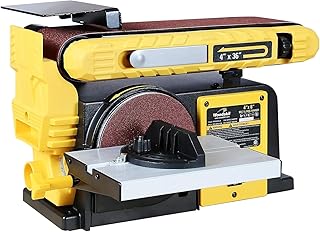


A DeWalt corded sander can be a useful addition to a workshop when reliable power and uninterrupted operation matter. Unlike battery-powered models, a corded sander can continue working as long as it remains connected to a suitable power source. This makes corded designs particularly useful for longer sanding sessions, workshop projects and renovation work where consistent operation is important.
The right sander depends on the surface, material and finish you want to achieve. A DeWalt corded orbital sander can be suitable for smoothing wood and preparing surfaces for paint or finishing. Random orbital models combine sanding movement with a rotating action to help produce an even finish. Palm and sheet sanders are useful when controlled handling and detail work are priorities, while belt sanders are better suited to faster material removal. For wall and ceiling preparation, a DeWalt corded drywall sander can provide a more specialised solution.
Orbital sanders are designed for surface preparation and finishing applications. Their sanding motion can help smooth wood and other compatible surfaces while reducing visible sanding patterns when the appropriate abrasive and technique are used. They are a useful choice for general workshop tasks and finishing work.
A corded random orbital sander is a versatile option for users who need consistent surface preparation and finishing. Random orbital movement helps reduce repetitive sanding marks, making this style popular for woodworking, furniture preparation and general renovation tasks. Look for suitable sanding disc sizes, variable-speed controls and dust-management features when comparing models.
Belt sanders are designed for more aggressive material removal. They can be useful for shaping wood, smoothing larger surfaces and removing old finishes. Because belt sanders can remove material quickly, controlled movement and the correct abrasive grit are important for achieving an even result.
Palm and sheet sanders are compact choices for lighter sanding and finishing tasks. Their smaller formats can make them convenient for woodworking projects, edges and areas where controlled handling is important. When choosing one, consider grip comfort, sanding-sheet size and dust collection.
Drywall sanding requires a tool designed for wall and ceiling surfaces. A corded drywall sander can help with finishing joints, smoothing compound and preparing surfaces before painting. Dust collection is especially useful for this application because drywall sanding can create substantial fine dust.
Motor power is one of the first specifications to consider. A suitable power rating can help match the sander to the workload without choosing a tool that is unnecessarily heavy or difficult to control. Variable-speed settings are also valuable because different materials and finishing stages may require different sanding speeds.
Dust management is another important consideration. A dust bag, dust port or compatible extraction system can help reduce airborne debris and keep the working area easier to manage. Always check the manufacturer's specifications for compatible dust-extraction equipment and accessories.
Ergonomics can make a noticeable difference during longer jobs. Consider the handle design, overall weight, balance and control placement before choosing a sander. A comfortable tool can be easier to guide accurately, particularly when working across larger surfaces.
Start by identifying the main material and task. For general wood smoothing and finishing, an orbital or random orbital model may be appropriate. For faster stock removal, consider a belt sander. For smaller finishing tasks, a palm or sheet sander may offer greater control. If you are preparing drywall, a dedicated drywall sander is generally a more suitable category.
Next, compare sanding size, motor specifications, speed control, dust-management options and handling characteristics. Also check whether the required sanding discs, sheets or belts are readily available in Canada. Matching the abrasive type and grit to the job is just as important as choosing the sander itself.
Ustoolmart provides a product directory designed to help Canadian shoppers compare sanding tools and related equipment. Product listings can be reviewed before following the available shopping link to the relevant marketplace listing. Since availability, specifications and pricing can change, check the current product information before purchasing.
Whether you are working on woodworking, furniture restoration, renovation, drywall finishing or general surface preparation, selecting a sander based on the application can help you achieve better control and a more consistent finish. A DeWalt corded sander can be a practical choice when continuous power, dependable operation and workshop versatility are priorities.
Find a DeWalt corded sander for demanding sanding, smoothing and finishing work in Canada. Corded sanders provide continuous electrical power, making them a practical choice for workshops, renovation projects, contractors and DIY users who want consistent performance without stopping to recharge a battery. Explore options such as corded orbital, random orbital, palm, belt, drywall and disc sanders to find a model suited to your material and application.
Canadian homeowners, DIY users, woodworkers, tradespeople, contractors and workshop users