

♥ Wishlist
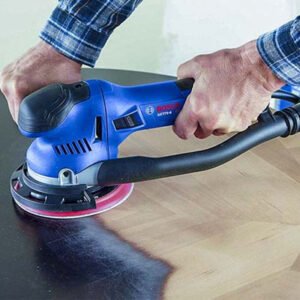
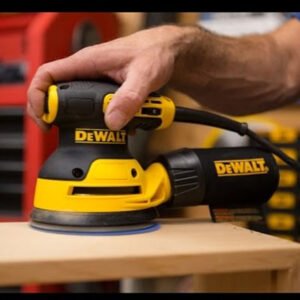
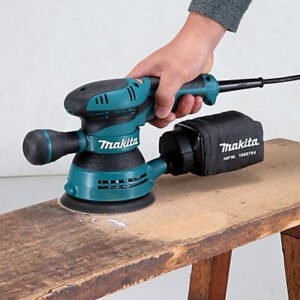
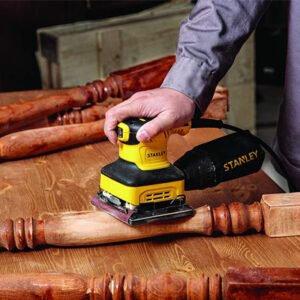
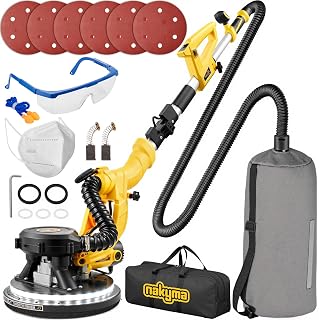


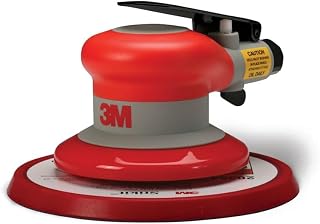


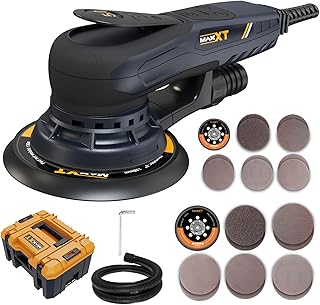


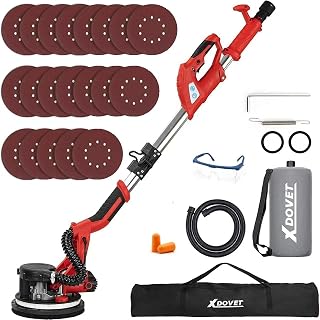


A corded sander is an electric sanding tool designed to operate from a mains power supply. For Canadian workshops, garages, renovation spaces and job sites with suitable electrical access, corded models can be a dependable choice when consistent performance is more important than cordless mobility. Unlike battery-powered sanders, they do not require charging or a spare battery during extended work, allowing you to continue sanding for as long as the project requires.
The best model depends on the surface, material and finish you want to achieve. Corded belt sanders are built for aggressive stock removal and are useful when you need to level wood surfaces, remove old finishes or prepare large boards. Their continuous abrasive belt makes them well suited to demanding applications, although they require careful handling to avoid removing too much material.
Corded random orbital sanders are a versatile option for woodworking and general finishing. Their circular sanding motion helps produce a smooth surface while reducing the likelihood of obvious sanding patterns when the correct abrasive and technique are used. They can be useful for preparing furniture, doors, panels, trim and other wood surfaces before painting, staining or sealing.
For lighter projects, a corded palm or sheet sander can provide a compact and easy-to-control solution. These sanders are particularly useful for detail work, edge preparation and smaller surfaces where manoeuvrability matters. If your project involves walls or ceilings, a corded drywall sander with an extended handle and dust-management system may be more appropriate than a conventional handheld sander.
Power is one of the first specifications to consider. Corded sanders may list motor output in amps or watts depending on the manufacturer and market. A higher rating can be useful for demanding work, but raw power is not the only factor that determines performance. Consider the sanding mechanism, speed range, abrasive compatibility and overall design alongside motor specifications.
Variable speed control is valuable when working with different materials or moving between aggressive sanding and final finishing. Lower speeds can provide greater control, while higher speeds may help with efficient material removal when the application allows it. A suitable speed range can also make one sander more versatile across multiple projects.
Pad or belt size affects both coverage and handling. Larger sanding surfaces can cover more material per pass, while smaller designs can be easier to control around narrow areas and detailed sections. Check the replacement abrasive sizes before purchasing so that compatible sanding sheets, discs or belts are readily available in Canada.
Dust collection is another important consideration. Sanding can create substantial dust, so a built-in dust bag, extraction port or vacuum-compatible system can help reduce airborne particles and simplify cleanup. When connecting a sander to a shop vacuum or dust extractor, check that the connection size and system are compatible.
Canadian DIYers and tradespeople may use sanders for furniture restoration, cabinetry, flooring preparation, woodworking, painting preparation and home renovation. A corded model can be especially convenient when working in a workshop where a reliable electrical outlet is already available. Before use, make sure the electrical supply, extension cord and work environment are appropriate for the tool and follow the manufacturer's operating instructions.
Ergonomics should also influence your decision. Look for a balanced body, comfortable grip and controls that are easy to reach while wearing appropriate protective equipment. If you expect to sand for extended periods, vibration management and overall weight can have a meaningful effect on comfort and control.
For stationary workshop use or projects requiring long periods of sanding, corded tools can offer a straightforward combination of continuous electrical power and dependable operation. They can also be a cost-effective alternative when cordless convenience is not essential. The trade-off is reduced mobility because the tool must remain connected to a suitable power source, so cable management and access to an outlet should be considered when planning the job.
There is no single best corded sander for every application. The ideal choice depends on whether your priority is rapid stock removal, smooth finishing, detail work or sanding large surfaces. Compare the available models by sanding type, motor performance, speed control, abrasive format, dust management and ergonomics to narrow down your options. For Canadian shoppers, also consider the availability of compatible accessories, replacement abrasives and manufacturer support before making a final decision.
Whether you are preparing timber for a new finish, restoring furniture, completing a renovation or maintaining a busy workshop, selecting a sander that matches the application can make the work more controlled and efficient. Use the available product options and specifications to compare suitable corded sanders and choose a model that aligns with your project requirements.
Find the right corded sander for woodworking, renovation, refinishing and general workshop projects in Canada. Corded electric sanders provide continuous power without battery changes, making them a practical choice for longer sanding sessions and demanding jobs. Whether you need a belt sander for fast material removal, a random orbital sander for smooth finishing, a palm sander for detail work, or a drywall sander for larger surfaces, this category helps you compare options based on the features that matter most.