

♥ Wishlist


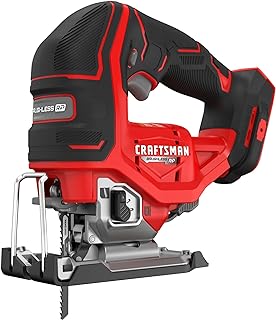

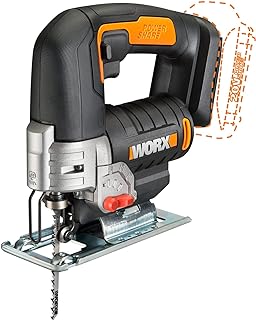


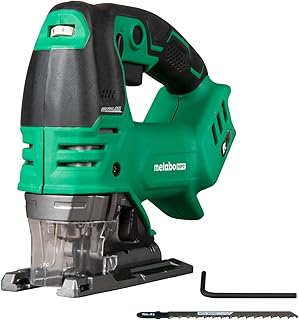


A corded jigsaw is a versatile power saw designed for controlled cutting where precision, manoeuvrability, and continuous electrical power are important. Unlike a cordless jigsaw, a corded model draws power directly from an electrical outlet, so you can continue working without changing or recharging batteries. For Canadian homeowners, DIY enthusiasts, woodworkers, renovators, and tradespeople who regularly work near a suitable power source, this can make a corded jigsaw a dependable addition to the workshop.
One of the biggest advantages of a corded jigsaw is its ability to make both straight and curved cuts. The narrow reciprocating blade allows the tool to follow shapes and cut-outs that can be difficult to produce with larger saws. Depending on the blade and machine specifications, a jigsaw can be used for woodworking projects, cabinetry, flooring, renovation work, crafts, and selected cutting applications involving metal or plastic. Always select a blade specifically designed for the material being cut and follow the manufacturer's operating recommendations.
For users who frequently undertake longer cutting sessions, continuous mains power can be a major benefit. A corded jigsaw does not depend on battery capacity, which means there is no need to pause work to recharge a battery or keep spare battery packs available. This makes corded models particularly useful in fixed workshop environments, garages, construction areas with accessible power, and home improvement projects where portability is not the primary requirement.
Power and speed are also important considerations. Many corded jigsaws feature variable speed control, allowing the user to adjust blade movement according to the material and application. Slower settings can provide greater control for certain delicate cuts, while higher speeds may be suitable for faster cutting in appropriate materials. Some models also include orbital action, which changes the blade's movement to improve cutting efficiency in suitable applications.
When comparing corded jigsaws, start with the motor's power rating and the manufacturer's stated cutting capabilities. Power should be considered alongside the type of work you expect to perform rather than viewed as the only measure of performance. Cutting depth is another important specification, particularly for users working with thicker wood or other materials. If angled cuts are part of your projects, check the available bevel adjustment and the range supported by the tool.
The blade system also deserves attention. A convenient blade-change mechanism can make switching between materials and applications easier, while compatibility with commonly available blade types can simplify ongoing maintenance and purchasing. Look for a stable base plate, clear line-of-cut visibility, and an ergonomic handle that feels comfortable during extended use. Features such as dust blowers or compatible dust-extraction systems can also help keep the cutting line visible and the workspace cleaner.
Wood is one of the most common materials for jigsaw applications, making the tool useful for furniture projects, shelving, trim, panels, countertops, and general DIY work. Different wood blades are available for fast cuts, clean finishes, or specific material thicknesses. For metal, use an appropriate fine-tooth metal-cutting blade and select a suitable speed according to the material and manufacturer's guidance. Plastic and composite materials may also require specialised blades and controlled cutting speeds to reduce the risk of melting, chipping, or rough edges.
For the best results, secure the workpiece firmly before cutting and allow the blade to do the work rather than forcing the tool through the material. Mark the cutting line carefully and, when appropriate, use a guide or straightedge for improved accuracy. For curved cuts, gradual movement and proper blade selection can help maintain control and reduce unwanted deviations from the intended line.
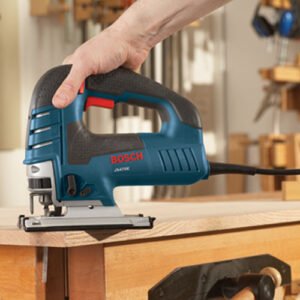
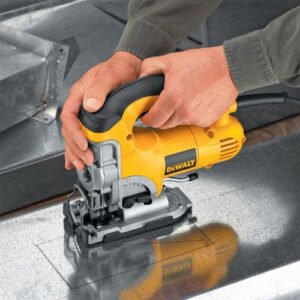
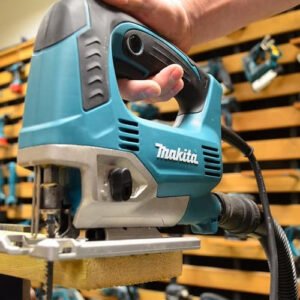
The best corded jigsaw depends on your workload, materials, preferred features, and budget. Established brands such as DEWALT, Makita, and Bosch offer corded jigsaw models with different combinations of power, speed control, ergonomics, and cutting features. Comparing specifications rather than choosing solely by brand name can help you find a model that fits your actual requirements.
Canadian shoppers should also consider the electrical specifications of the model, the availability of compatible blades and accessories, and the intended work environment. A workshop user may prioritise power and extended operation, while a DIY user may place greater value on low weight, comfortable handling, easy blade changes, and straightforward controls. Checking product specifications and current marketplace information before purchase can help ensure that the selected jigsaw meets the requirements of the project.
A corded jigsaw can provide a useful combination of continuous power, versatility, and precision for a wide range of cutting tasks. Whether you are shaping timber for a woodworking project, creating cut-outs during a renovation, or completing detailed DIY work, the right combination of motor performance, blade selection, speed control, bevel adjustment, and ergonomics can make the job easier. Compare the available corded jigsaw options, consider the features that matter most to your work, and choose a model designed for the materials and cutting tasks you expect to handle.
A corded jigsaw is a practical choice for Canadian DIYers, woodworkers, tradespeople, and workshop users who want dependable cutting performance without stopping to recharge a battery. These electric jigsaws are designed for curved cuts, straight cuts, cut-outs, bevel work, and detailed shaping across suitable materials. Explore corded jigsaw options from established brands and compare motor power, variable speed, orbital action, cutting capacity, blade compatibility, and comfort before choosing the right model for your projects.