
♥ Wishlist
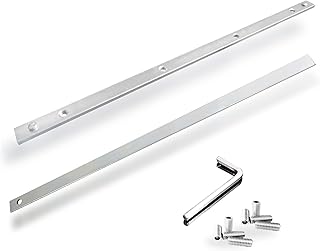


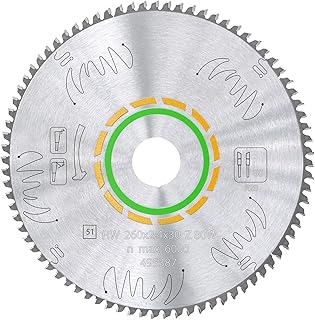




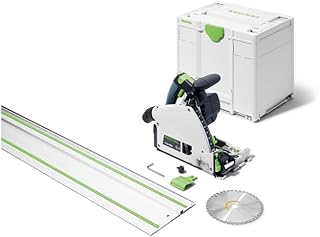

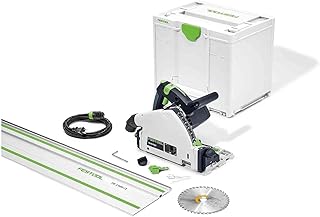
Festool plunge saws are designed for users who need controlled cutting, accurate results, and a dependable approach to working with wood-based materials. Unlike a conventional circular saw that normally starts cutting from an exposed edge, a plunge saw allows the blade to enter the material at a selected point. This makes the format particularly useful for panel work, openings, trimming, and applications where the starting position matters.
For Canadian woodworkers, contractors, cabinetmakers, installers, and serious DIY users, the right plunge saw can provide a practical combination of precision and workflow efficiency. When paired with an appropriate guide rail, a plunge saw can help maintain a consistent cutting line over longer distances. This is particularly useful when working with plywood, MDF, solid wood panels, countertops, doors, and other sheet materials.
Different projects call for different cutting capabilities. Before choosing a Festool plunge saw, consider the material you regularly cut, the required cutting depth, the type of cuts you make, and whether you plan to use guide rails. Blade compatibility is also important because the correct blade can influence the quality and suitability of the finished cut.
Cutting depth should match the materials used in your typical projects. Check the manufacturer's specifications for maximum cutting depth at the intended cutting angle. If you regularly work with thick boards or layered materials, allow enough capacity for the complete cut without forcing the tool.
A guide rail can be valuable when accuracy and repeatability are priorities. It provides a defined path for the saw and can make long, straight cuts easier to control. For cabinet panels, flooring materials, doors, and large boards, a guided setup can also help create a more consistent workflow.
The blade should suit both the material and the desired finish. Fine-tooth blades can be useful when a clean finish is important, while other tooth configurations may be better suited to faster general-purpose cutting. Always verify blade size, compatibility, and recommended application before installation.
A plunge saw can be especially useful when a project requires controlled entry into a workpiece. This capability can simplify tasks such as cutting openings in panels or trimming material without relying on an existing edge. A well-designed plunge-cutting system can also support accurate positioning and predictable results.
Festool's approach to system-based woodworking means buyers may also consider the wider ecosystem around a saw. Depending on the model and setup, compatible guide rails, dust extraction equipment, blades, and storage solutions can become part of a more organised cutting workflow. When comparing options, consider the complete system rather than looking only at the saw itself.
Canadian users may work across professional workshops, construction sites, renovation projects, and home garages. A plunge saw can suit many of these environments because it is useful for both repeatable workshop cutting and on-site installation work. When working on a job site, portability, dust management, power requirements, and accessory compatibility can all influence the best choice.
For indoor woodworking, dust extraction can be an important consideration. A compatible extraction setup can help manage airborne dust and keep the cutting area cleaner. Always follow the manufacturer's instructions and use suitable personal protective equipment for the material and application.
When comparing Festool plunge saws, look beyond the basic tool name. Review cutting capacity, bevel range, blade diameter, power or battery platform where applicable, weight, guide-rail compatibility, dust-extraction provisions, and included accessories. Also check whether the listed configuration includes a blade, guide rail, carrying case, battery, charger, or other components, as package contents can vary.
For shoppers in Canada, it is also worth checking the seller's current pricing, availability, shipping terms, warranty information, and product specifications before making a purchase. Prices and stock can change, so reviewing the current product listing is recommended.
A plunge saw is most effective when the workpiece is properly supported and the cutting path is planned before starting. Secure the material, select the correct blade, establish the guide position, and confirm that the blade will not contact clamps or other objects beneath the workpiece. Maintaining a steady feed rate can help produce a more consistent cut.
For repeated panel cutting, setting up a dedicated work area can improve efficiency. Measure carefully, mark the cut line, position the guide rail, and verify the measurement before making the cut. These simple preparation steps can reduce material waste and help maintain consistent results across multiple components.
Whether you are a professional cabinetmaker, renovation contractor, furniture builder, installer, or experienced DIYer, Festool plunge saws can be considered for projects where accurate plunge cutting is important. Compare available models according to cutting capacity, intended applications, guide-rail requirements, power configuration, accessories, and overall workflow.
Choosing a saw that matches your regular workload can help you get more value from the tool. Review the specifications carefully and consider the materials, cut types, and working environment you encounter most often. With the right setup, a plunge saw can become a useful part of a precise and repeatable woodworking system.