
♥ Wishlist




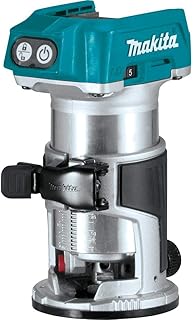


A Makita corded router is designed for woodworkers who want dependable power and controlled cutting performance from a mains-powered tool. Unlike cordless models, a corded router does not depend on battery capacity during operation. This makes it a useful choice for workshop environments where access to a suitable power outlet is available and consistent performance is important.
Makita has a broad range of routing tools designed for different woodworking requirements. Depending on the model, users can find options suited to trimming, edge profiling, groove cutting, shaping, joinery and other detailed applications. When choosing a router for your project, consider the type of work, required cutting depth, router bit size and level of control you need.
One of the main advantages of a corded router is continuous mains power. This can be especially useful for larger workshop projects or jobs that involve repeated routing operations. You do not need to stop work to recharge a battery, so the tool can remain ready whenever a suitable power source is available.
Makita corded routers can also provide useful control features for precision woodworking. Depending on the model, features may include variable speed control, depth adjustment, soft start operation and different base configurations. These features can help users make controlled cuts while adapting the tool to different materials and routing tasks.
A Makita router can be useful for a variety of woodworking applications. Edge profiling is a common use, allowing users to create clean decorative or functional edges on timber and other suitable materials. Routers can also be used for cutting grooves, creating dados, forming joints and producing consistent profiles with the correct router bit.
For cabinet making and furniture projects, routing can help create accurate recesses, decorative edges and joinery details. A suitable model can also assist with trimming and shaping tasks where controlled material removal is required. Always select the appropriate bit and operating settings for the material and application.
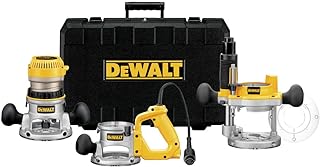
When comparing Makita corded routers, the base design is an important consideration. A fixed base router is useful when you want a consistent cutting depth and stable positioning for edge work, profiling and repeated cuts. A plunge router allows the cutting bit to be lowered into the workpiece, making it suitable for applications such as mortises, internal openings and other cuts that begin away from an edge.
Some router kits may offer multiple base configurations. These can provide greater flexibility when one tool needs to handle several woodworking applications. Check the individual product specifications carefully to confirm which bases and accessories are included.
Power is one factor to consider when selecting a corded router, but it should not be the only one. Look at the router's speed range, depth adjustment system, collet size, base design and overall handling. Variable speed can be useful when working with different router bits and materials, while accurate depth adjustment helps achieve consistent results.
A soft-start function can make startup smoother by reducing the sudden movement that may occur when the motor begins running. Dust collection compatibility can also be valuable in a workshop because routing produces wood chips and fine dust. If you frequently change bits, consider the design of the bit-changing system and the accessibility of the collet.
Start by identifying the work you expect to perform most often. For edge trimming and profiling, a compact or fixed-base option may be appropriate. For deeper or internal cuts, a plunge configuration may offer more flexibility. If you work on a wide range of projects, a versatile router kit with multiple base options can be worth considering.
Canadian shoppers should also check the electrical specifications before ordering. Confirm the voltage, plug configuration and other technical details listed for the individual product. Availability, pricing and included accessories can vary, so compare the current product information before making a purchase.
Explore the Makita corded router selection to compare woodworking tools for professional workshops, home projects and DIY applications. By considering power, control, base configuration and intended use, you can select a router that better matches your routing requirements.
Find the right Makita corded router for woodworking, trimming, shaping, edging and other routing applications in Canada. Corded routers provide a consistent mains-powered connection, making them a practical choice for workshop projects that require dependable performance over longer working periods. Whether you are a professional woodworker, cabinet maker or DIY enthusiast, this category makes it easier to compare suitable Makita routing options.