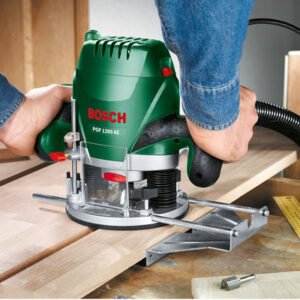
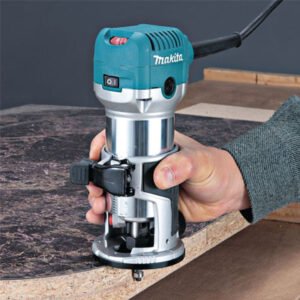
A corded router is a versatile woodworking power tool designed to remove material with a rotating cutting bit. Connected directly to a mains power supply, it can deliver continuous operation without the battery charging or runtime considerations associated with cordless equipment. For Canadian workshops, renovation projects, cabinetry work, furniture making, and general woodworking, a corded router can be a practical choice when dependable power and extended operation are priorities.
When choosing a corded router, start by considering the type of work you expect to perform. Edge profiling, decorative routing, trimming, dadoes, grooves, joinery, and template work can all require different combinations of power, speed, cutting depth, and control. A compact router may be easier to manoeuvre for lighter trimming and edge work, while a more powerful full-size model can be better suited to deeper cuts and demanding routing tasks. Selecting the appropriate class of router can make the tool easier to control while helping you achieve cleaner, more consistent results. Motor power is an important consideration, particularly when routing hardwoods or making deeper passes. A higher-powered motor can maintain performance under greater load, but power should not be considered in isolation. The router's weight, grip design, base stability, depth-adjustment mechanism, and overall balance also affect how comfortably and accurately you can work. For detailed projects, smooth handling and precise adjustment may be just as important as maximum motor output. Variable-speed control can provide additional flexibility when working with different materials and router bits. Lower speeds can be useful for certain larger-diameter bits or applications where excessive cutting speed could affect the material, while higher speeds may be appropriate for other bits and lighter routing operations. Always follow the router and bit manufacturer's recommended operating speeds. Using the correct speed for the bit and application can contribute to safer operation and better cutting performance. Collet size is another specification worth checking before purchasing. The collet must securely accommodate the shank size of the router bits you intend to use. Depending on the model and market, routers may support different imperial or metric bit sizes, so Canadian shoppers should verify the included and compatible collet sizes rather than assuming that every router accepts the same accessories. Compatibility with your existing router bits can help you avoid unnecessary accessory purchases. The base design also influences how a router performs. Fixed bases can provide a stable setup for repeatable edge and groove work, while plunge-style designs allow the bit to be lowered into the material during operation and can be useful for certain internal cuts and joinery applications. Some routers or compatible systems may support interchangeable or additional bases, providing greater versatility. Think about the jobs you perform most often and choose a configuration that complements your working style. Depth adjustment is particularly important for precision routing. A router that allows controlled, repeatable depth settings can make it easier to establish consistent cuts across multiple workpieces. Clear adjustment mechanisms and a stable locking system can also improve confidence when setting up a project. If you regularly make repeated cuts, consider how easily the tool can be adjusted and locked at the desired depth. Dust management can make a significant difference in a workshop. Routing produces wood chips and fine dust, so compatibility with dust extraction equipment may help keep the work area cleaner and improve visibility around the cutting area. Check the product specifications for information about dust-extraction compatibility and use appropriate personal protective equipment and workshop ventilation whenever routing. Cord management is another practical point for corded equipment. Because the tool must remain connected to a suitable electrical supply, plan your workspace so the power cord stays clear of the bit, workpiece, and moving parts. Use the router only with an appropriate electrical setup and follow the manufacturer's safety instructions. A well-organised work area can make routing more controlled and convenient. Before buying, compare the router's motor power, speed range, compatible collets, maximum cutting depth, base configuration, adjustment system, weight, included accessories, and dust-extraction provisions. Consider whether you primarily work with softwood, hardwood, plywood, MDF, laminates, or other routing materials, and choose a model whose specifications align with those applications. Canadian shoppers should also check the product's electrical requirements and ensure the tool is appropriate for their local power supply. Whether you are building cabinets, shaping furniture components, installing decorative profiles, or completing general woodworking projects, the right corded router can become a useful addition to a workshop. Focus on the specifications that directly match your projects rather than choosing solely on maximum power. A balanced combination of power, control, compatibility, adjustment, and ergonomics can help you select a corded router that is practical for your woodworking needs.
Introduction
Find a corded router suited to your woodworking and routing needs in Canada. Corded models provide consistent mains-powered performance for shaping edges, cutting grooves, trimming laminates, and completing detailed woodworking projects. Compare the features that matter, including motor power, variable speed, collet capacity, base design, depth adjustment, and handling, to choose a router that fits your workshop and project requirements.
Frequently Asked Questions
What is a corded router used for?