
♥ Wishlist



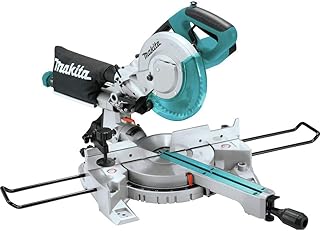


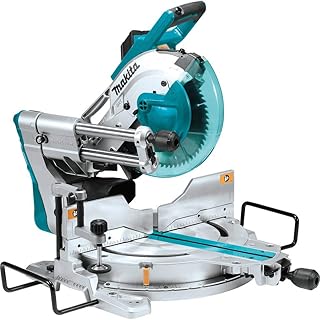
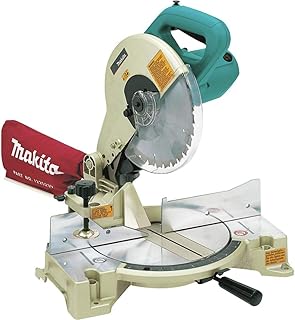
A Makita corded mitre saw can be a dependable addition to a Canadian workshop, renovation space or construction site where reliable mains power is available. Designed for controlled crosscutting and angled cuts, mitre saws are commonly used for timber, trim, framing components, mouldings and other compatible materials. Makita is well known for producing power tools aimed at both professional tradespeople and serious DIY users, making its mitre saw range worth considering when accuracy and repeatable cutting are important.
One of the main advantages of choosing a corded mitre saw is consistent power. Unlike a cordless model, a corded saw does not depend on battery charge during a cutting session. This can be particularly useful when completing larger projects or working in a workshop where an electrical outlet is readily accessible. For Canadian users, a corded configuration can also be a practical option for indoor workshop tasks, renovation work and other applications where mains electricity is already part of the setup.
Mitre saws are built around controlled cutting. The saw head and workpiece can be positioned to create straight crosscuts as well as angled cuts. Depending on the model, users may also be able to make bevel cuts or combine mitre and bevel settings for more complex woodworking applications. This makes a mitre saw useful for projects involving skirting, door and window trim, framing pieces, shelving components and general carpentry work.
A corded design can also simplify longer work sessions. There is no need to stop and replace or recharge a battery, provided a suitable power source is available. When comparing models, however, it is important to consider the electrical requirements, available workspace and intended application. Always follow the manufacturer's operating instructions and use the saw with suitable protective equipment.
Cutting capacity: Consider the thickness and width of the material you expect to cut. A suitable cutting capacity can make a significant difference when working with larger boards, framing materials or trim.
Mitre and bevel adjustment: Check the available angle ranges and adjustment system. If your projects involve frequent angled cuts, easy-to-use controls can improve workflow and repeatability.
Blade compatibility: Review the required blade diameter, arbor specifications and recommended blade types. Choosing the appropriate blade for the material and application is essential for controlled results.
Dust management: Cutting can create considerable dust and debris. A model with a suitable dust collection arrangement can help keep the immediate work area cleaner when connected to compatible extraction equipment.
Size and portability: Think about where the saw will be used and stored. A larger saw may offer greater capacity, while a more compact setup can be easier to position in a smaller workshop.
Power and electrical setup: Since this category focuses on corded models, confirm that the tool is appropriate for your available electrical supply. Canadian shoppers should also check the product specifications before purchase to ensure compatibility with their intended installation and work environment.
A Makita corded mitre saw can support many woodworking and construction tasks. It can be useful for cutting timber to length, preparing framing components, trimming boards and producing angled joints. It is also commonly considered for finishing work such as cutting mouldings and trim where consistent angles and repeatable measurements are important.
For renovation projects, the ability to make accurate crosscuts can help when preparing multiple pieces to matching dimensions. For workshop users, a stable cutting station can make repetitive work more organised. Professional users may value corded operation when the saw remains in one location for extended periods and continuous access to mains power is available.
Before selecting a model, compare its cutting capacity, blade specifications, adjustment range, power requirements, dimensions and included accessories. Also consider how frequently the saw will be used and the type of material you normally work with. A model selected around your actual requirements can provide a more practical balance of capability, workspace and usability.
Canadian shoppers should pay attention to the product specifications shown for each listing, including electrical information, dimensions and included components. Product availability and pricing can vary, so reviewing the current listing details before purchasing is recommended.
Safety should remain a priority whenever using a powered cutting tool. Secure the workpiece properly, keep hands away from the blade path and wait for the blade to stop completely before moving material. Wear appropriate eye and hearing protection and use suitable dust control for the application. Read the manufacturer's instructions before operating the tool, and make sure the work area provides adequate clearance and stable support.
Whether you are completing professional carpentry work, renovation tasks or detailed DIY projects, a Makita corded mitre saw can provide a focused solution for accurate angled and crosscutting applications. Compare the available models according to capacity, adjustment features, blade requirements, power specifications and intended use to find an option suited to your Canadian workspace.
Find a Makita corded mitre saw for accurate crosscuts, mitre cuts and bevel cuts in woodworking, renovation and construction projects. Corded power provides a consistent electrical supply, making these saws a practical choice for workshops and job sites with access to mains power. Compare available options and choose a model that matches your cutting requirements, workspace and materials.