

♥ Wishlist

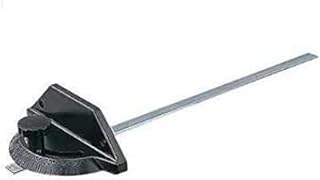


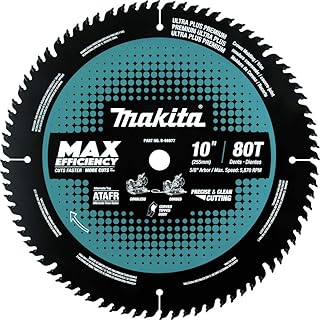

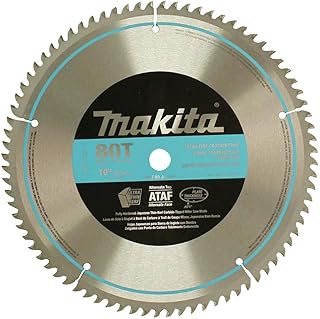


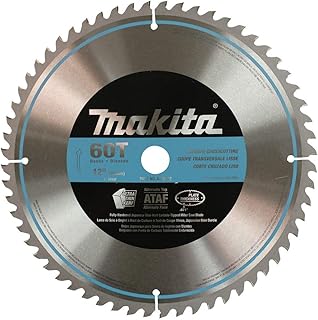

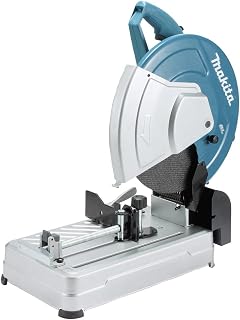


Makita mitre saws are designed for users who need controlled, repeatable cuts across a wide range of woodworking and construction tasks. A mitre saw can make quick crosscuts and angled cuts while helping you maintain consistency from one piece of material to the next. For Canadian shoppers, the right model depends on the type of work you do, the materials you cut, your workspace, and how often you need to transport the tool.
When comparing Makita mitre saws in Canada, start by considering blade size and cutting capacity. Different blade diameters are suited to different applications and material dimensions. A compact model can be useful for trim, moulding, smaller boards, and renovation work, while a larger saw may be more appropriate when you regularly cut wider or thicker stock. Checking the stated cutting capacity can help you select a saw that matches the dimensions of your typical materials.
Mitre saws can vary considerably in configuration and cutting functionality. Some models are designed primarily for straightforward crosscutting and mitre cuts, while more versatile options provide compound cutting capability. A compound mitre saw can combine mitre and bevel adjustments, making it useful for applications such as crown moulding, cabinetry, framing, and detailed finish carpentry.
Another important consideration is whether you need a single-bevel or dual-bevel design. A dual-bevel saw can tilt in both directions, which may reduce the need to reposition material when producing repeated angled cuts. This can be especially useful for professional users completing detailed installation or production work.
Makita offers mitre saw configurations intended for different working environments. Corded models can be a practical choice for workshop use where dependable access to electrical power is available. Cordless options can provide greater freedom of movement and may be convenient for renovation sites, remote locations, or jobs where managing a power cord is less desirable.
If you are considering a cordless mitre saw, pay attention to the battery platform and compatibility requirements of the specific model. Battery runtime can also vary according to material, cutting frequency, blade condition, and workload. For extended jobs, having compatible spare batteries can help reduce interruptions.
Accuracy is one of the main reasons to invest in a quality mitre saw. Look for useful adjustment systems, positive stops, bevel controls, and a stable work surface. A well-designed saw can make repeated cuts easier to set up and help maintain consistent results throughout a project.
Dust management is another factor worth considering. Cutting wood can generate substantial sawdust, particularly during extended use. A suitable dust collection arrangement can help keep the immediate work area cleaner and improve visibility around the cutting zone. Users should also follow the manufacturer's instructions for dust extraction and safe operation.
For trim and finish carpentry, a compact and precise saw may be more convenient for making repeated mitre cuts on mouldings and smaller boards. For framing and construction, cutting capacity, portability, and durability may become more important. For workshop woodworking, users may prefer a model with useful bevel and mitre adjustment capabilities for producing compound cuts.
Renovators can also benefit from choosing a saw that balances capacity with portability. Canadian renovation projects may involve moving between rooms, garages, workshops, and job sites, so the overall size and handling of the saw should be considered alongside its cutting specifications.
Before purchasing, make a short list of the materials and cuts you expect to perform most often. Then compare blade diameter, maximum cutting capacity, mitre range, bevel range, power configuration, weight, portability, and included features. It is also sensible to check the manufacturer's specifications for the exact model rather than assuming that every Makita mitre saw provides the same capabilities.
Canadian shoppers should also consider the intended workspace and electrical requirements for corded equipment. If the saw will remain in a workshop, a corded model may offer a straightforward setup. If you regularly move between job sites, a cordless configuration may provide greater flexibility.
A good mitre saw is only part of achieving consistent results. Use an appropriate blade for the material and application, secure the workpiece correctly, and maintain a stable cutting position. Follow all manufacturer safety instructions and use suitable personal protective equipment. Keep the blade clean and properly maintained, and inspect the tool before use.
Whether you are completing a home renovation, building furniture, installing trim, or working on a construction project, the best Makita mitre saw is the model that matches your material sizes, cutting requirements, workspace, and frequency of use. Compare the available specifications carefully to find an option suited to your Canadian projects.
Find Makita mitre saws designed for accurate crosscuts, angled cuts, trim work, framing, flooring, and other woodworking applications. Whether you are a professional tradesperson, contractor, renovator, or experienced DIY user in Canada, choosing the right mitre saw starts with understanding cutting capacity, blade size, power source, bevel range, and portability. Browse the Makita mitre saw category to compare suitable options for your next project.