

♥ Wishlist








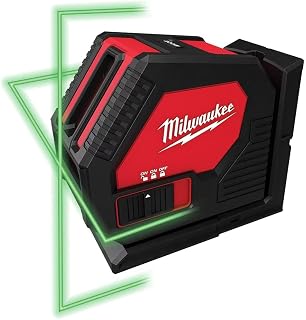


When accurate layout matters, a Milwaukee line laser level can be a practical addition to a professional toolkit. Line lasers project visible reference lines that help users establish level, plumb and alignment points across a work area. They can be useful for construction, interior finishing, electrical installation, cabinetry, framing, renovation and other applications where consistent positioning is important.
For Canadian tradespeople, contractors and serious DIY users, choosing the right laser level starts with understanding the type of work involved. Different projects can require different line configurations, visibility requirements, mounting options and operating features. A compact laser may suit indoor installation work, while a more capable model can be better suited to larger layouts or demanding jobsite conditions.
Milwaukee is widely associated with professional power tools and jobsite equipment. Its laser level range is designed around practical layout tasks where repeatable reference lines can make measuring and positioning easier. Instead of repeatedly checking a spirit level or transferring measurements between points, a projected laser line can provide a continuous visual reference.
This can be particularly useful when installing cabinets, setting wall features, positioning electrical components, aligning fixtures or carrying out framing and finishing work. The appropriate Milwaukee model depends on the number and direction of lines required, the working environment and the accessories or mounting method needed for the job.
A line laser can support many common trade applications. During renovation work, it can help establish a consistent reference when installing wall panels, cabinets, shelving or other fixtures. In construction, laser lines can assist with alignment and layout over longer working areas. They may also be useful for setting heights and maintaining consistent positioning during interior projects.
For electrical and mechanical installations, a visible reference line can help installers position components accurately. Flooring and ceiling projects may also benefit from a reliable horizontal or vertical reference. The key is to select a model that matches the specific layout requirements rather than choosing based only on brand or appearance.
Start by considering the type of lines required for your work. Some applications need a simple horizontal or vertical reference, while others benefit from multiple projected lines. Think about whether you normally work indoors, outdoors or across both environments. Visibility can vary with lighting conditions, so the intended working environment should be part of the selection process.
Next, consider mounting and positioning. A laser is most useful when it can be placed securely at the required height and angle. Check the available mounting options and consider whether your existing tripod, bracket or jobsite setup is suitable. Portability can also matter if the laser will move between multiple rooms or jobsites throughout the day.
Power requirements are another consideration. Depending on the model, users may prefer a battery-powered solution that fits into an existing Milwaukee tool ecosystem. Check the specific product listing for included batteries, chargers, accessories and other package contents before purchasing.
Canadian jobsites can involve changing conditions, from indoor renovation environments to active construction areas. A suitable laser level should therefore be selected according to the conditions in which it will actually be used. Consider visibility, working range, durability, portability and the layout features needed for your applications.
It is also important to check the specifications of each model rather than assuming every Milwaukee line laser has the same capabilities. Product dimensions, laser configuration, operating range, accuracy, power source and included accessories can differ between models. Reviewing these details can help you choose a tool that fits your workflow and avoids paying for features you do not need.
Before buying, compare the available Milwaukee line laser level options based on your most common tasks. Look at the projected line configuration, visibility, accuracy specifications, operating range and power system. Also consider the size and weight of the unit if you frequently transport tools between jobs.
For Canadian shoppers, pricing and availability may vary between products and over time. Check the current product information for the latest specifications and package details. If a laser will be used as part of a larger Milwaukee cordless setup, compatibility with your existing batteries and chargers may also influence your decision.
A Milwaukee line laser level can simplify many layout and alignment tasks by providing a clear reference across a working area. The best choice depends on your project, environment and required line configuration. Whether you are completing professional construction work, installing fixtures or tackling a renovation, compare the available specifications carefully before selecting a model.
Explore the Milwaukee Line Laser Level category at USToolMart to compare suitable options for Canadian projects. Review each product's specifications, included accessories and power requirements so you can select a laser level that matches the demands of your work.
Find a Milwaukee line laser level for precise layout, levelling and alignment work across construction, renovation and installation projects in Canada. Explore the category to compare Milwaukee laser solutions suited to different jobsite requirements.