

♥ Wishlist
Compare 15 Corded Jigsaw: Reliable Power for Precise Cutting products in Canada. Reviews, ratings, pros, cons and buying advice updated for October 2026.


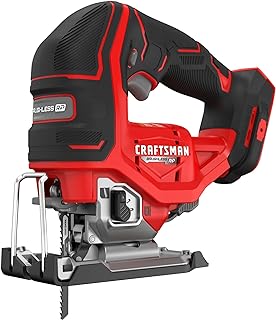

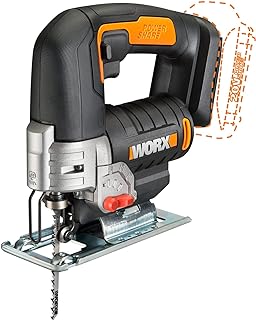


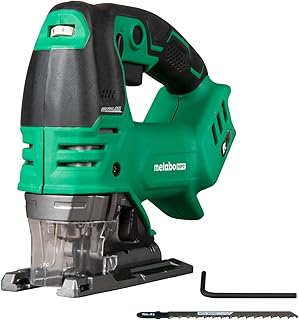


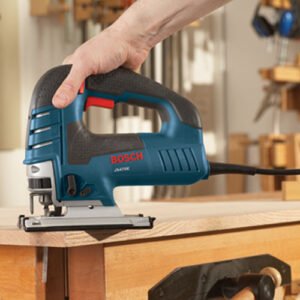
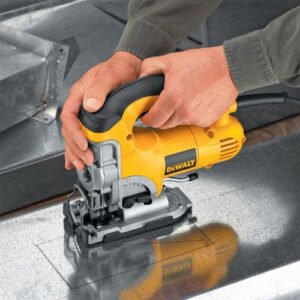
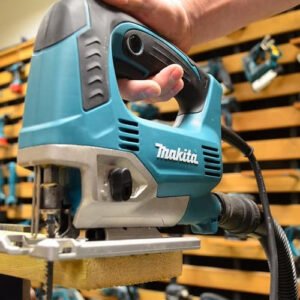
Choosing a corded jigsaw for precision work involves more than comparing motor wattage or selecting the model with the highest advertised speed. For accurate cutting, the interaction between orbital action, blade control, shoe stability, trigger or switch design, vibration management, visibility, and blade selection can matter just as much as raw power.
For Canadian buyers, it is also sensible to consider the type of electrical supply the tool is designed for, cord length, availability of replacement blades, compatibility with commonly available accessories, and the type of materials you expect to cut. A jigsaw intended primarily for occasional DIY projects may have very different priorities from one used regularly for cabinetry, renovation, flooring, woodworking, or workshop projects.
The models and brands appearing in a buying guide should therefore be compared by specifications and intended application rather than by brand recognition alone. Bosch, DEWALT, Makita, Milwaukee, Metabo HPT, SKIL and PORTER-CABLE are examples of established power-tool brands that buyers may encounter when researching corded jigsaws, but the best choice depends on the individual tool's specifications and your requirements.
Precision in a jigsaw is the result of several design elements working together. A powerful motor does not automatically produce a straight or clean cut. When evaluating a precision-oriented model, look for a combination of controlled blade movement, a rigid base, predictable speed adjustment and good sightlines to the cutting line.
Variable-speed control is particularly useful when one tool needs to handle different materials. Higher blade speeds can be useful for certain softwoods and fast rough cutting, while lower speeds can provide greater control when working with plastics, laminates or materials that can be damaged by excessive heat or aggressive cutting.
A useful jigsaw should allow the operator to select an appropriate speed rather than forcing every material into the same cutting profile. Buyers should distinguish between a simple variable-speed trigger and a tool that also provides a separate maximum-speed selector or electronic speed management.
Orbital action changes the way the blade travels through the material by adding movement to the blade stroke. Increasing orbital action can make cutting faster and more aggressive, whereas reducing it can help produce a smoother cut and improve control.
For precision work, multiple orbital settings are generally more useful than a single fixed setting. A buyer who frequently switches between rough construction cuts and finish-oriented woodworking should pay particular attention to how many selectable settings the jigsaw provides and whether the control is easy to adjust.
The blade is responsible for making the cut, but the shoe determines how consistently the tool contacts the workpiece. A rigid shoe that remains flat against the material helps the operator maintain the intended cutting angle.
Look for a shoe that can be locked securely for bevel cuts and does not introduce unnecessary movement during operation. For straight cuts, a stable shoe can be especially important because small changes in tool position can accumulate over the length of a cut.
Excessive vibration can make precision cutting more difficult because it increases operator fatigue and can make it harder to maintain a consistent path. Vibration is especially relevant when cutting curves, following a marked line, or working on visible finished surfaces.
Anti-vibration design should therefore be considered alongside motor power. A slightly less aggressive tool may be easier to control for detailed work if its handling characteristics are better suited to the application.
Good visibility of the blade and cutting line can be an underrated feature. Dust, the shape of the shoe, the position of the blade and the operator's hand placement can all affect how easily the intended path can be seen.
Some jigsaws incorporate dust blowers, extraction ports, LED illumination or other features intended to improve visibility. These features should be evaluated according to the environment in which the tool will be used rather than treated as automatic indicators of cutting accuracy.
When comparing the best precision corded jigsaws, avoid judging models from a single specification. A more useful comparison considers the complete set of characteristics that influence cutting performance, comfort and suitability.
Motor power provides an indication of the tool's capacity, but it does not tell the complete story. A higher-power jigsaw can be advantageous when cutting thicker or denser materials, while a lower-power model may be perfectly adequate for lighter DIY applications.
Instead of choosing the largest motor available, consider the maximum material thickness you realistically expect to cut and whether the tool's other features support controlled operation at that workload.
Strokes per minute indicate how quickly the blade reciprocates. A wide speed range can make a jigsaw more versatile because it allows the operator to adapt the cutting action to the material and blade.
Maximum speed should not be interpreted as maximum cutting quality. Precision work often benefits from selecting an appropriate speed rather than simply operating the tool at its fastest setting.
Check the manufacturer's stated cutting capacities for wood, metal and other relevant materials. Cutting capacity varies by model and should be treated as a specification to verify rather than an assumption based on motor size.
If you frequently work with thick lumber, countertops, sheet goods or dense materials, compare the stated capacity with the actual thickness of your typical projects and leave a sensible margin rather than selecting a tool that is always operating at its limit.
A bevel-adjustable shoe allows the jigsaw to make angled cuts. This can be useful for joinery, trim work, flooring, framing-related tasks and other projects where the edge of the workpiece must be cut at an angle.
Check both the available bevel range and the method used to lock the shoe. A mechanism that is quick to adjust can be valuable when a project requires repeated changes between straight and angled cuts.
Cord length can have a surprisingly large effect on usability. A short cable may require an extension cord more frequently, while a longer cord can provide additional working freedom.
When comparing models, check the actual supplied cord length rather than assuming all corded jigsaws provide the same reach. If an extension cord is needed, select one appropriate for the tool and working environment.
Weight should be considered together with balance and handle design. A heavier tool is not necessarily less precise, and a lighter tool is not automatically easier to control.
For detailed work, balance can be more important than absolute weight. A well-balanced jigsaw can help reduce wrist fatigue and make it easier to maintain a consistent blade path over longer cuts.
The performance of a precision jigsaw depends heavily on using an appropriate blade. Two identical tools can produce noticeably different results when equipped with blades designed for different materials, tooth configurations or cutting objectives.
Check which blade attachment system the jigsaw accepts before buying. T-shank blades are widely used across many modern jigsaws, but compatibility should always be confirmed against the manufacturer's specifications.
A blade system that is easy to install can also make practical differences during a project, particularly when several blade types are required. Tool-free blade changes can reduce interruption, but secure retention and correct installation remain more important than speed alone.
Wood blades vary according to whether the priority is speed, clean edges, curve cutting or general-purpose work. Coarser teeth can remove material quickly, while finer tooth patterns can be preferable when a cleaner edge is required.
For visible furniture or cabinetry components, choose a blade specifically intended for the material and finish requirement rather than relying on a general-purpose blade for every operation.
Metal requires blades designed for the material being cut. Blade tooth configuration, cutting speed and lubrication requirements can differ substantially from woodworking applications.
Always follow the blade manufacturer's instructions and the jigsaw manufacturer's recommendations for the relevant material. Do not assume that a blade marketed for general cutting is appropriate for every type or thickness of metal.
When cutting laminate, veneer or other surfaces where chipping is a concern, blade selection becomes especially important. A blade designed to minimise surface damage can produce a better result than a faster, more aggressive blade.
Woodworkers should generally place control, cut quality and blade compatibility ahead of headline motor specifications. A precision jigsaw can be particularly useful for curved components, openings, templates, irregular profiles and cuts that are difficult to perform with a circular saw.
For occasional home projects, buyers often do not need the most powerful professional-grade jigsaw. The more useful question is whether the tool provides sufficient cutting capacity and control without adding unnecessary complexity or cost.
DIY users may benefit from a model with intuitive controls, tool-free blade changes, a dependable base and a useful speed range. Projects such as shelving, trim, workbench construction, plywood cutting and small renovation jobs generally reward ease of handling and predictable operation.
Before purchasing, make a list of the materials you actually expect to cut. A jigsaw intended primarily for plywood and dimensional lumber may not need the same configuration as one expected to cut thicker hardwoods, metal or composite materials.
Frequent users should place greater emphasis on durability, ergonomics, control systems and serviceability. When a jigsaw is used regularly, small ergonomic disadvantages can become more significant over time.
Professional buyers should examine the manufacturer's specifications for duty expectations, motor design, electronic controls, shoe construction, cord design and replacement components. It is also worth considering how easily blades can be changed while wearing appropriate work gloves and whether the controls remain accessible without changing grip.
Established manufacturers such as Bosch, DEWALT, Makita and Milwaukee have extensive power-tool ranges, but the appropriate model should still be selected based on the exact specifications and application rather than brand reputation alone.
A brand can be a useful starting point when researching a jigsaw, particularly because established manufacturers often provide detailed specifications and broad accessory ecosystems. However, buyers should compare models within a brand rather than assuming every tool from the same manufacturer offers the same level of performance.
Bosch is a prominent name in woodworking and power tools, and its corded jigsaws are commonly considered by buyers looking for a combination of cutting control, adjustment features and workshop-oriented design. When evaluating a Bosch model, compare the specific motor rating, speed range, orbital settings, blade system and shoe design.
DEWALT offers a broad range of professional-oriented tools. Buyers comparing its corded jigsaws should pay attention to the exact model's speed control, cutting capacity, bevel adjustment, ergonomics and included accessories rather than comparing the brand name alone.
Makita is another established manufacturer with a strong presence in woodworking and construction tools. A Makita corded jigsaw can be worth comparing when factors such as handling, vibration, speed control and overall tool design are important.
Milwaukee is widely associated with professional power tools and jobsite equipment. When considering a corded Milwaukee jigsaw, verify the individual model's specifications because cordless and corded products can have substantially different operating characteristics and intended use cases.
Metabo HPT provides another option for buyers researching corded cutting tools. Compare its jigsaws against competing models by looking at cutting capacity, orbital adjustment, speed control, shoe design, blade compatibility and ergonomics.
SKIL is commonly considered by DIY users and buyers seeking practical tools for home projects. When comparing SKIL jigsaws, focus on whether the available controls, cutting capacity and included features match your expected workload.
The choice between corded and cordless is primarily a question of workflow rather than a simple performance ranking. Corded models provide continuous access to electrical power without waiting for a battery to recharge, which can be valuable for workshop or extended cutting sessions.
Cordless jigsaws, on the other hand, provide greater mobility and eliminate the power cable from the work area. They can be convenient for construction sites, outdoor projects and locations where electrical access is limited.
For buyers specifically seeking a precision corded jigsaw, the main advantage is predictable access to mains power during the project. The trade-off is that the cable must be managed safely and may limit movement compared with a cordless design.
Motor power is useful, but it should never be the only comparison point. A jigsaw with strong power but poor handling may be less suitable for detailed work than a well-controlled model with sufficient power for the intended material.
A tool is only as useful as the blades available for it. Before buying, confirm that compatible replacement blades are readily obtainable in the types you need.
Curved cutting performance depends on blade choice, blade width, material thickness, speed, orbital action and operator technique. A jigsaw designed for general cutting is not necessarily optimised for very tight curves.
The base of the tool directly affects contact with the workpiece. A buyer who focuses entirely on the motor and speed settings can overlook an important part of precision cutting.
Canadian buyers should verify the electrical specifications of any imported or marketplace-listed tool before purchase. Do not assume that a product designed for another electrical market is automatically suitable for use in Canada.
Packages can differ considerably. A listing may show accessories in photographs without every pictured item necessarily being included in the particular configuration being sold. Always check the stated package contents for the exact model and seller listing.
Even a high-quality jigsaw requires appropriate technique. Begin by marking the cutting line clearly and securing the workpiece so it cannot move. Allow the shoe to sit flat against the material and avoid forcing the blade through the cut.
For straight cuts, a suitable guide or straightedge can help maintain a consistent path. For curved cuts, let the blade follow the curve naturally rather than twisting the tool aggressively. Excessive sideways pressure can deflect the blade and produce a cut that does not match the intended line.
Blade selection should match the material and finish requirement. A fresh, appropriately selected blade generally makes controlled cutting easier than trying to compensate for a dull or unsuitable blade through additional pressure.
Dust can interfere with visibility and make it harder to follow a marked line. A jigsaw with an effective dust-management design can be useful in workshop environments, especially when the cutting surface needs to remain visible.
If the tool includes a dust-extraction port, check compatibility with your existing extraction equipment. Where extraction is not practical, follow appropriate workshop practices and use suitable personal protective equipment for the material being cut.
A precision jigsaw should be treated as a cutting machine, not simply as a small handheld saw. Read the manufacturer's operating instructions before use and use the blade type and settings specified for the material.
Routine maintenance can help preserve performance and reduce avoidable problems. After use, remove accumulated dust from accessible areas according to the manufacturer's cleaning instructions. Keep ventilation openings clear and inspect the power cord, plug and other externally accessible components for damage.
Blades should be replaced when they become dull, damaged or unsuitable for the material. Continuing to use a worn blade can increase cutting resistance and make accurate work more difficult.
Do not disassemble internal electrical or mechanical components unless the manufacturer's instructions specifically permit the procedure and you are qualified to perform it. For repairs beyond routine user maintenance, consult the appropriate manufacturer's service guidance.
If two models appear similar, use a structured comparison instead of relying on star ratings or a single headline specification. Start with the materials you cut most often and then compare the features that directly influence those tasks.
Customer reviews can provide useful information, but they should be read as a source of user feedback rather than as a substitute for specifications. Look for repeated observations concerning handling, blade changes, vibration, cutting control, durability and ease of use.
Pay attention to reviews that identify the material being cut and the application. A complaint from someone using a compact jigsaw for a task outside its intended capability may not be relevant to a buyer using the same model for lighter work.
Similarly, a positive review based on occasional DIY use should not automatically be treated as evidence that the same tool is appropriate for demanding professional workloads. Compare feedback with the manufacturer's specifications and your intended application.
A high average rating can be useful as an initial screening signal, but it does not reveal every important detail. Review volume, review recency, individual use cases and recurring comments should all be considered.
Buyers should also distinguish between ratings for the exact jigsaw model and ratings for a broader product family or seller. Marketplace listings can sometimes contain multiple variants, so verify that the reviews you are reading correspond to the precise model configuration you intend to purchase.
Prioritise a stable shoe, suitable fine-cutting blades, controllable speed and good visibility. If long straight cuts are common, consider how easily the jigsaw can be used with an appropriate straightedge or guide.
Hardwood projects can benefit from sufficient motor capacity, appropriate blades and controlled cutting speed. Avoid selecting a model solely because it advertises a high maximum speed; the blade and cutting technique are equally important.
Clean edge quality is often more important than maximum cutting speed. Use a blade intended for laminate or fine finishing and verify the manufacturer's recommended operating procedure for the specific material.
Look for a design that offers good visibility and controllable blade movement. Narrower blades can generally make tighter curves than wide blades, but the appropriate blade depends on the material, thickness and desired radius.
Choose a model and blade combination specifically suited to metalworking requirements. Pay close attention to recommended speed, blade selection and cutting procedure rather than assuming that a woodworking configuration can simply be transferred to metal.
There is no single best model for every Canadian buyer. The right choice depends on the material, cutting capacity, desired finish, frequency of use, required features and budget. Compare the exact specifications of shortlisted models rather than selecting solely by brand or rating.
Yes. Corded jigsaws remain useful for workshops, renovation projects and repeated cutting where continuous access to mains power is convenient. Their main trade-off is reduced mobility compared with cordless tools.
No. More power can be beneficial for demanding materials and thicker workpieces, but precision also depends on blade control, speed adjustment, orbital settings, shoe stability, vibration and operator technique.
The appropriate blade depends on the wood species, thickness, cutting direction and desired finish. Fine-tooth blades are often considered when edge quality is important, while coarser blades can be useful when faster material removal is the priority.
Some corded jigsaws are designed to cut metal when used with the appropriate blade and settings. Always confirm that the particular model and blade are rated for the intended material and follow the manufacturer's instructions.
T-shank is a common blade format, but compatibility should still be confirmed with the exact jigsaw. Blade retention systems and manufacturer specifications can differ.
Orbital action can be important because it allows the cutting behaviour to be adjusted. Lower orbital action may be preferable when prioritising smoother cuts and control, while higher settings can increase cutting aggressiveness for suitable applications.
Cabinetry work generally benefits from controllable speed, suitable fine-cutting blades, low vibration, stable shoe contact, good cut-line visibility and reliable blade guidance. The best configuration depends on the materials and types of cuts involved.
An LED can improve visibility in some working environments, but it should be treated as a convenience feature rather than a guarantee of precision. Blade visibility, dust control and overall tool geometry remain important.
Compare the individual models rather than the brands as a whole. Examine cutting capacity, speed range, orbital adjustment, shoe design, blade system, vibration, ergonomics, electrical specifications and the included accessories.
Price alone does not establish cutting accuracy. A more expensive tool may provide additional features, stronger construction or improved ergonomics, but the final result also depends on blade selection, material preparation and operating technique.
The strongest way to choose a precision corded jigsaw is to work backwards from the projects you actually perform. Identify the materials, thicknesses and cut types you use most often, then compare the specifications that directly affect those tasks.
For general workshop use, prioritise a balanced combination of power, variable speed, orbital adjustment, blade compatibility and stable handling. For finish woodworking, place additional emphasis on blade selection, vibration control and cut-line visibility. For heavier construction work, cutting capacity, durability, ergonomics and sustained usability become increasingly important.
Before purchasing in Canada, verify the exact model number, electrical specifications, package contents, current manufacturer warranty information and current retailer terms. Prices, inventory and product configurations can change, so use current retailer information when making the final purchase decision.
A well-matched corded jigsaw does not need to be the most powerful or most expensive option. The better purchase is the model whose specifications, controls, handling characteristics and compatible blades align closely with the work you expect it to perform throughout 2026.