

♥ Wishlist
Compare 14 Cordless Jigsaws for Precise, Portable Cutting products in Canada. Reviews, ratings, pros, cons and buying advice updated for October 2026.
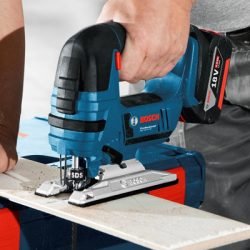
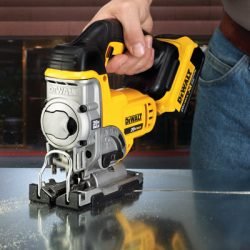
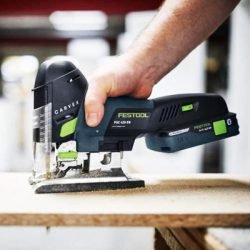
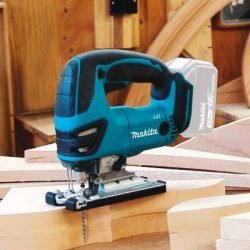
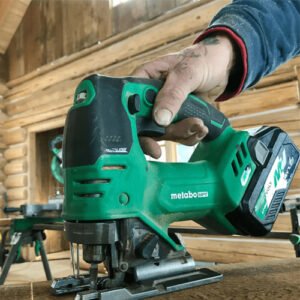
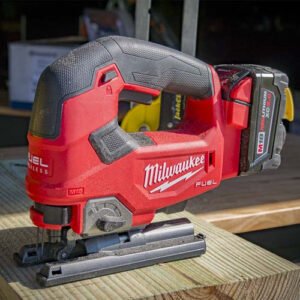


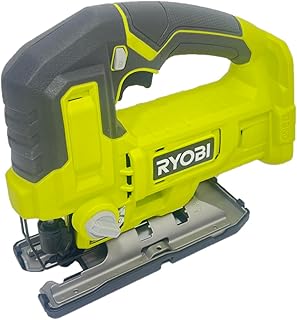


A precision cordless jigsaw is useful when a project requires controlled curved cuts, interior openings, notches, or detailed shaping rather than the straight cuts normally associated with a circular saw. For Canadian buyers, the right choice depends on more than advertised power. Battery platform, blade control, orbital action, shoe stability, visibility, ergonomics, vibration, and the materials being cut can all affect the finished result.
This buying guide is designed to help shoppers compare cordless jigsaws on meaningful specifications instead of choosing solely by brand, battery voltage, or headline features. Models from established power-tool manufacturers such as Bosch, DEWALT, Makita, Milwaukee, Ryobi, and Metabo HPT can differ substantially in design and intended use, so compatibility and application should be considered before purchase.
Precision in a jigsaw is not determined by one specification. A high-powered motor can cut material quickly, but controlled cutting also depends on how consistently the blade moves, how securely the shoe contacts the workpiece, how easily the operator can see the cut line, and how much the tool moves under load.
For detailed woodworking, cabinet work, laminate cutting, craft projects, flooring modifications, and general renovation, useful precision-oriented characteristics include a stable base plate, low unwanted vibration, a rigid blade-guidance system, variable-speed control, an effective trigger or speed dial, good line-of-sight, and a blade system that minimizes unnecessary movement.
A jigsaw designed primarily for fast rough cutting may prioritize motor output and aggressive orbital action. A precision-oriented tool may place greater emphasis on controllability and clean blade tracking. Neither approach is universally better. The best configuration depends on whether the priority is rapid material removal or accurate finishing.
For example, cutting a rough opening in construction lumber has different requirements from cutting a visible curve in hardwood, plywood, melamine, or countertop material. Buyers should therefore evaluate the complete tool rather than assuming that the model with the highest advertised power rating will produce the best results.
Variable speed is one of the most useful features for controlled jigsaw work. Lower blade speeds can help when working with materials that are sensitive to heat or when a slower cutting rate makes it easier to follow a layout line. Higher speeds can be useful when cutting suitable wood products efficiently.
A practical control system should allow the user to select an appropriate speed without fighting the trigger. Some cordless jigsaws combine a variable-speed trigger with a separate speed-control setting, while others rely primarily on trigger pressure.
Orbital action changes the blade's movement so that it travels not only vertically but also through a controlled forward-and-back path. This can increase cutting efficiency in suitable materials, but aggressive orbital settings can produce a rougher edge.
Multiple orbital settings are particularly useful because they allow the same tool to be configured for different jobs. A lower orbital setting is generally more appropriate when edge quality and control are important, while a more aggressive setting can help with faster cuts where surface finish is less critical.
Blade stability matters when following curves or maintaining a straight line. A rigid blade-guidance arrangement can help reduce unwanted blade movement, although technique, blade selection, material thickness, and feed pressure remain equally important.
When comparing models, examine how the blade is supported above the shoe and whether the design provides adequate control during directional changes. A jigsaw that feels stable during operation can be easier to guide than one that transfers substantial vibration or movement into the user's hand.
The shoe, or base plate, supports the jigsaw against the workpiece. A rigid and stable shoe helps maintain a consistent cutting angle. Bevel adjustment is useful for angled cuts and should be easy to set and secure.
Buyers should look for a shoe mechanism that can be locked firmly rather than relying on a loose adjustment. If bevel cutting is part of the intended application, consider how easily the angle can be changed and whether the mechanism provides repeatable positioning.
Visibility can have a direct effect on accuracy. A well-designed cordless jigsaw should provide a clear view around the blade and shoe so the operator can follow a pencil line without constantly repositioning the tool.
LED work lights can be helpful in dim workshops or when the shoe and blade partially obscure the cutting area. However, lighting should be considered an assistance feature rather than a substitute for accurate marking and controlled technique.
Jigsaw cutting can produce significant dust, particularly when working with plywood, MDF, engineered wood, and other sheet materials. Some models provide dust extraction connections, while others rely more heavily on airflow to move debris away from the cutting area.
For indoor woodworking, compatibility with a suitable dust-extraction system can be more valuable than a small difference in motor specifications. Dust collection can also improve visibility by keeping the cut line clearer during extended cutting.
Tool-free blade changes are convenient when switching between materials or blade types. Many modern cordless jigsaws use a quick blade-clamping system, but the exact mechanism varies by manufacturer.
Before purchasing, check which blade shank type the model accepts and whether commonly available blades in Canada are compatible. Blade availability matters because a sophisticated jigsaw becomes less useful if the required blade type is difficult to source.
For many buyers, the battery ecosystem should be one of the first considerations. If you already own compatible cordless tools, staying within the same platform can reduce the need to purchase additional batteries and chargers.
Common cordless ecosystems include DEWALT 20V MAX, Makita 18V LXT, Milwaukee M18, Bosch 18V, Ryobi 18V ONE+, and Metabo HPT 18V platforms. Battery compatibility is manufacturer- and platform-specific, so a battery that appears similar in voltage should never be assumed to fit another brand's tool.
A bare-tool jigsaw can make sense when you already have the required battery and charger. A kit may be more appropriate for a first-time buyer entering a particular battery platform.
A larger battery does not automatically make a jigsaw better. Additional battery capacity can increase runtime, but a heavier battery can also change the tool's centre of gravity. For precision work, balance may matter more than maximum runtime.
If the jigsaw will frequently be used overhead, for detailed curves, or during long sessions, consider total tool weight with the battery installed rather than looking only at the advertised bare-tool weight.
Canadian users who work in unheated garages, workshops, renovation sites, or outdoor locations should pay attention to battery storage and operating conditions. Lithium-ion batteries generally perform differently in very cold environments than they do at normal indoor temperatures.
Do not assume that a battery stored in a freezing vehicle will immediately provide normal performance. Follow the battery manufacturer's operating, charging, storage, and temperature guidance. Allowing a cold battery to reach an appropriate temperature before charging can also be important where the manufacturer's instructions specify temperature limits.
Softwood generally allows a cordless jigsaw to cut relatively quickly, but the correct blade remains important. A coarse blade can remove material rapidly, while a finer blade can provide better control and a cleaner edge.
For rough construction cuts, maximum edge quality may not be necessary. For visible woodworking components, slower controlled cutting and an appropriate fine-tooth blade can be preferable.
Hardwood demands greater attention to blade selection, feed rate, and heat management. Pushing the tool excessively can cause the blade to deflect or produce an uneven cut.
When appearance matters, use a blade intended for the material and let the blade do the cutting rather than forcing the tool through the workpiece.
Plywood can splinter on the exit side of the cut. Blade tooth configuration and cutting direction can influence the quality of the visible edge.
When cutting finished panels, test the chosen blade and settings on an offcut first. This is particularly useful with expensive veneer, decorative laminate, or cabinet panels where a damaged edge can be costly to repair.
MDF and particleboard can generate substantial fine dust. A jigsaw with effective dust-management provisions can be advantageous for indoor projects, but appropriate respiratory and workshop safety measures remain important.
Decorative surfaces require careful blade selection and controlled feed pressure. A blade that is too aggressive can damage the surface even when the jigsaw itself is capable of cutting the material.
Masking and careful marking techniques may help protect finished surfaces, but the specific approach should be matched to the material manufacturer's recommendations.
Some cordless jigsaws can cut suitable thin metal when equipped with the correct blade. Metal cutting requires different blade geometry and slower, controlled operation than ordinary wood cutting.
Never select a blade solely because it fits the tool. Confirm that the blade is specifically intended for the metal type and thickness being cut, and follow the jigsaw and blade manufacturer's operating instructions.
The jigsaw itself is only part of the cutting system. Blade design can have a substantial effect on speed, finish, control, and material compatibility.
Coarse blades generally remove material quickly and can be useful for rough wood cuts. Their aggressive cutting characteristics can leave a less refined edge.
Fine-tooth blades are commonly selected when a cleaner edge is more important than maximum cutting speed. They can be useful for certain finished wood products and detailed work.
Down-cutting configurations can help keep the visible top surface cleaner in certain applications because the teeth cut downward into the material. However, the cutting behaviour and material requirements should be checked before use.
Specialized blades are available for materials including metal, laminate, plastics, and specific woodworking applications. Always confirm compatibility with both the jigsaw and the material.
Material movement is a major enemy of accuracy. Secure the workpiece appropriately and make sure the portion being cut does not vibrate excessively.
A precise jigsaw cannot compensate for an inaccurate layout line. Use a suitable measuring and marking method for the material and project. For critical cuts, measure from consistent reference points and verify the dimensions before cutting.
Excessive forward pressure can cause blade deflection. If the jigsaw is struggling, consider whether the blade is suitable, whether the speed is appropriate, whether orbital action is too aggressive, or whether the material exceeds the practical capacity of the tool.
When starting a cut, maintain control and avoid twisting the tool. For interior openings, use an appropriate plunge-cutting method only when the jigsaw and blade are designed for the technique and the operator can do so safely.
Sharp directional changes can cause a blade to twist or bind. For tight curves, a narrower blade designed for curved cutting can provide better control than a wide straight-cutting blade.
Battery voltage is an incomplete way to compare cordless jigsaws. Two tools with similar nominal voltage can differ considerably in ergonomics, control, stroke characteristics, orbital settings, blade guidance, and intended use.
Buying a bare tool without considering battery and charger costs can change the overall value proposition. If you are not already invested in a platform, compare the complete system cost rather than the tool-only price.
Power can help maintain cutting performance under load, but precision also depends on controllability. A powerful tool that is difficult to guide may be less suitable for delicate work than a well-balanced model with excellent control.
No single jigsaw blade is ideal for every material. Using an unsuitable blade can create poor finishes, excessive vibration, slow cutting, or premature blade wear.
Weight becomes increasingly important during long cuts, overhead work, and detailed shaping. Compare the complete working weight with the battery installed.
A cordless tool should be evaluated as part of a longer ownership cycle. Check the availability of compatible blades and any manufacturer-supported replacement components that may be relevant to the model.
When comparing a shortlist of cordless jigsaws, use the same criteria for every model. This prevents a prominent feature from overshadowing more important differences.
A homeowner who occasionally cuts plywood, lumber, shelving, flooring, or other household materials may benefit from a versatile cordless jigsaw rather than a specialized professional model. Ease of use, battery availability, manageable weight, variable speed, and convenient blade changes can be more valuable than advanced features that will rarely be used.
Woodworkers should place greater emphasis on cut quality, blade control, low vibration, visibility, and the ability to fine-tune speed and orbital action. Compatibility with high-quality specialty blades is also important.
Frequent users may prioritize durability, battery runtime, ergonomic balance, fast blade changes, jobsite practicality, and integration with an existing cordless tool platform.
When the cut will remain visible, controllability and edge quality become especially important. Fine-tooth blades, stable support, careful marking, and low-deflection cutting technique can matter more than maximum cutting speed.
For light-duty detailed work, compact size, visibility, variable speed, and a comfortable grip can be particularly useful. Buyers should avoid paying for professional-level capabilities that do not match their actual workload unless future expansion of the tool platform justifies it.
Established manufacturers offer cordless jigsaws across different performance and price categories. The important comparison is not simply which logo appears on the housing, but which model fits the intended application and existing battery ecosystem.
Brand reputation should be treated as one input rather than the final purchasing decision. Compare the specific model's specifications, battery requirements, included equipment, user feedback, and intended workload.
Stroke rate indicates how frequently the blade moves through its cutting cycle. A higher maximum stroke rate can support rapid cutting in appropriate materials, but maximum speed is not automatically the best setting for every job.
Stroke length describes how far the blade travels during each cycle. It can influence cutting behaviour and material removal, but it should be considered alongside speed, orbital action, blade selection, and motor characteristics.
Published cutting capacities should be interpreted as manufacturer specifications for particular materials and conditions rather than a guarantee of performance in every project. Material density, blade type, battery condition, cutting technique, and tool settings can all influence actual results.
Bevel range indicates how far the shoe can be adjusted for angled cutting. If your projects include mitres, angled notches, or other non-perpendicular cuts, verify the manufacturer's stated range and adjustment system.
Always distinguish between bare-tool weight and the weight of the complete operating setup. A battery can materially change how the jigsaw feels in use.
A cordless jigsaw is easier to move around than a corded model, but cordless operation does not eliminate cutting hazards. The blade remains capable of causing serious injury, and the workpiece can move unexpectedly if it is not properly supported.
Dust and debris can accumulate around the shoe and affect how smoothly the tool moves across the workpiece. Clean the tool according to the manufacturer's maintenance instructions.
Dull or damaged blades can increase cutting resistance and make accurate control more difficult. Replace blades when they no longer cut appropriately for the intended application.
Motor ventilation openings should not be allowed to become heavily obstructed by dust. Follow the manufacturer's cleaning instructions rather than using methods that could force debris deeper into the tool.
Use, charge, store, and transport lithium-ion batteries according to the battery manufacturer's instructions. Avoid treating batteries as interchangeable simply because their voltage ratings appear similar.
Cleaner results usually come from combining the right blade, appropriate speed, stable workpiece support, and controlled feed pressure. A premium jigsaw cannot compensate for a dull blade or an unstable workpiece.
For visible cuts, consider making a test cut in scrap material before committing to the finished piece. This allows you to verify the blade, speed, orbital setting, cutting direction, and expected edge quality without risking the final workpiece.
When cutting curves, avoid forcing the shoe sideways. Let the blade follow the intended path gradually. For particularly tight curves, select a blade intended for that type of work rather than attempting to make a standard wide blade perform beyond its practical capability.
A circular saw is generally better suited to long, straight cuts through sheet goods and dimensional lumber. A jigsaw is more versatile for curved lines, small openings, cutouts, and intricate shapes.
A reciprocating saw is typically chosen for demolition, rough cutting, pruning, and applications where finish quality is secondary. A jigsaw provides considerably more control for shaped and finished cuts.
An oscillating multi-tool excels at flush cuts, detail work, plunge cuts in suitable materials, and access to confined areas. A jigsaw generally provides better support and control for longer shaped cuts through sheet material.
A scroll saw is designed specifically for stationary precision cutting and intricate patterns. A cordless jigsaw is more portable and versatile for renovation and on-site work, but it does not replicate the controlled environment of a stationary scroll saw.
Online product pages can make different cordless jigsaws appear easier to compare than they actually are. Before purchasing, inspect the complete listing and manufacturer information rather than relying on the product title.
Customer reviews can provide useful information, but they should not replace specification checking. A reviewer may be using a jigsaw for a completely different purpose from yours.
When reading reviews, look for repeated comments about battery compatibility, blade changes, vibration, balance, visibility, dust management, and long-term usability. Pay particular attention to reviews that identify the material being cut and the type of project involved.
Do not assume that one unusually positive or negative review represents the entire product experience. Patterns across many relevant reviews are generally more informative than isolated statements.
If the answer is yes, a bare tool from the same ecosystem may be practical. If not, compare the complete cost of the tool, battery, and charger.
If curves and internal cutouts are frequent, prioritize controllability, visibility, blade selection, and manoeuvrability. If straight cuts dominate, consider whether another saw would be more efficient for those tasks.
Make a list of the materials you expect to cut most often. The ideal blade, speed, and orbital configuration can vary considerably between softwood, hardwood, plywood, laminate, plastic, and metal.
If edges will remain visible, prioritize precision and blade compatibility. If the jigsaw will primarily make rough openings that will later be covered, cutting speed and general versatility may be more important.
Occasional DIY users can prioritize value, simplicity, and platform compatibility. Frequent users should give greater consideration to ergonomics, durability, battery management, accessory availability, and serviceability.
There is no single best cordless jigsaw for every Canadian buyer. The right choice depends on the intended materials, cutting style, frequency of use, required precision, battery ecosystem, and budget. A model that is ideal for professional renovation may be unnecessary for occasional household projects.
Many modern cordless jigsaws are designed for demanding applications, but suitability depends on the specific model, battery platform, material, blade, and workload. Professional users should compare manufacturer specifications and choose a tool appropriate for their expected duty cycle.
Nominal voltage alone is not a reliable way to rank jigsaws. Different manufacturers use different voltage naming conventions, and overall performance also depends on motor design, electronics, battery technology, blade movement, and tool configuration.
No. Blades are designed for different materials and cutting objectives. Wood, metal, laminate, plastic, and specialty materials can require different tooth patterns and blade constructions.
Orbital adjustment is useful when you expect to work with different materials or need to balance cutting speed against edge quality. It provides additional control over cutting behaviour but is not essential for every user.
Brushless motor technology can offer advantages in cordless tool design, including electronic efficiency and reduced brush-related maintenance. Whether the additional cost is worthwhile depends on how frequently the tool will be used and the capabilities of the specific model.
The appropriate battery depends on the tool platform and workload. A compact battery can improve balance and reduce weight, while a larger-capacity battery can provide more runtime. Check the manufacturer's recommendations for compatible batteries.
Yes, when the jigsaw and blade are appropriate for the material and thickness. Hardwood cutting requires suitable blade selection, controlled feed pressure, and settings appropriate to the job.
Some models can cut suitable metal when paired with an appropriate metal-cutting blade. Always verify the tool's specifications and blade requirements before attempting metal cutting.
Blade deflection can result from excessive feed pressure, an unsuitable or dull blade, a tight curve, material movement, or cutting conditions that exceed the blade's practical capability. Reduce unnecessary force and verify the blade and settings for the application.
Possible causes include an unsuitable blade, excessive orbital action, excessive feed speed, a dull blade, material vibration, or cutting technique. Test different appropriate blades and settings on scrap material before making the final cut.
Neither is universally better. Cordless models provide portability and eliminate the need for a power cord, while corded models can be attractive for extended stationary work where continuous mains power is convenient. The better choice depends on the working environment and intended use.
The strongest cordless jigsaw purchase is not necessarily the most powerful, most expensive, or most heavily featured model. It is the model whose specifications align with the work you actually perform.
For precision-oriented cutting, pay particular attention to variable-speed control, orbital adjustment, blade stability, shoe design, visibility, ergonomics, and compatible blades. For frequent use, battery ecosystem and overall durability become increasingly important. For occasional DIY projects, platform compatibility, ease of use, and total kit cost may provide better value.
Before ordering, compare the exact model number, included battery configuration, manufacturer specifications, compatible accessories, current Canadian pricing, and recent verified customer feedback. Checking these details together provides a much more reliable basis for choosing among the leading precision cordless jigsaw options in 2026.