

♥ Wishlist
Compare 17 Corded Power Tools for Reliable Power and Performance in Canada products in Canada. Reviews, ratings, pros, cons and buying advice updated for October 2026.


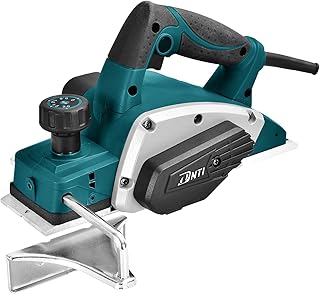


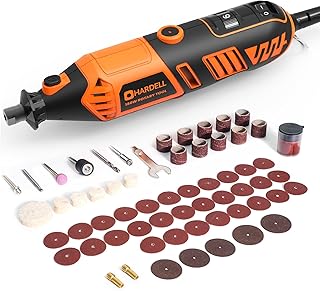

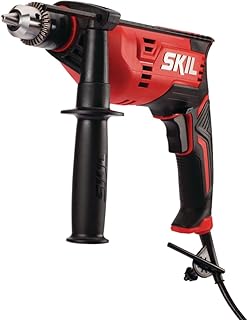


Choosing a precision corded power tool is less about selecting the most powerful motor and more about matching the tool's control, speed characteristics, ergonomics, accuracy and construction to the work you actually perform. A compact rotary tool used for detailed cutting has very different requirements from a corded drill, router, angle grinder, random orbital sander or oscillating multi-tool.
For Canadian buyers, the comparison should also account for electrical compatibility, cord length, workspace conditions, replacement accessories, dust management and the availability of compatible consumables. A tool that looks impressive on a specification sheet may be a poor choice if its speed range is unsuitable for delicate work or if its cord, controls and accessories make precise operation difficult.
This guide is intended to help you compare the leading options in this category using measurable specifications and practical buying criteria. Product rankings should be considered alongside current specifications, verified customer feedback and the manufacturer's latest documentation before purchase.
Precision is not a single specification. It is the combined result of power delivery, mechanical stability, speed control, accessory compatibility, visibility, ergonomics and the operator's ability to make small controlled movements.
A precision-oriented tool should allow you to control the work rather than simply apply more force. For drilling, that can mean a stable chuck and responsive trigger. For routing, it can mean predictable depth adjustment and a rigid base. For sanding, it can mean controlled movement with manageable vibration. For a rotary tool, variable speed and a suitable collet system can be more important than maximum wattage.
A corded drill can be an economical choice when continuous operation and dependable mains power are more important than portability. For precision drilling, pay attention to trigger sensitivity, chuck quality, variable-speed operation, reversing capability and the overall balance of the drill.
Consider the materials you expect to drill before focusing on maximum power. Wood, metal, plastics and masonry can require different drill-bit types and operating techniques. A high-power drill is not automatically the most accurate drill for small holes or delicate materials.
Rotary tools are particularly relevant to detailed work such as trimming, engraving, polishing, deburring, light cutting and small-area sanding. Their compact form allows access to areas where larger tools are difficult to control.
For precision applications, variable speed is especially important because different accessories and materials may require different operating speeds. Compare collet sizes, accessory compatibility, control placement, grip shape and the range of supported attachments.
Brands such as Dremel are well known in the rotary-tool category, while buyers may also encounter alternatives from WEN and other established tool manufacturers. Compare the actual specifications and accessory ecosystem of each model rather than selecting solely by brand familiarity.
Oscillating multi-tools can be useful for controlled flush cuts, plunge cuts, scraping, grout removal and detail sanding. Precision depends heavily on blade selection and the operator's ability to maintain a consistent position.
When comparing models, examine oscillation speed, accessory attachment design, vibration management, grip position, switch placement and cord length. A tool with convenient accessory changes can be especially useful when a project requires frequent transitions between cutting and sanding.
Routers are precision machines by nature, but the quality of the result depends heavily on depth adjustment, base stability, bit quality and workpiece setup. A router with strong power but awkward depth adjustment may be less useful for detailed work than a model that offers more controlled adjustments.
Check compatibility with the router-bit sizes you intend to use, the available base configuration, depth-adjustment mechanism, visibility around the bit and dust-extraction provisions. Always use the manufacturer's specified accessories and operating procedures.
Angle grinders are designed for demanding cutting, grinding and surface-preparation work rather than ultra-fine hand-guided detail. Nevertheless, control remains important when working close to edges or when removing a small amount of material.
Compare disc diameter, motor power, spindle specifications, guard configuration, auxiliary-handle positions, switch design and vibration characteristics. The correct disc or wheel is just as important as the grinder itself.
Sanding precision comes from maintaining consistent contact and removing material evenly without creating unwanted marks. A sander's speed characteristics, orbit size, pad design, vibration behaviour and dust collection can all affect the finished surface.
For furniture, cabinetry and finishing work, examine the sanding-disc or abrasive compatibility and make sure replacement abrasives are readily available in the sizes required by the tool.
A jigsaw is useful for curved cuts and detailed shaping. Precision depends on blade selection, variable-speed control, shoe stability and visibility of the cut line. Compare models based on the materials and thicknesses you actually plan to cut rather than maximum cutting claims alone.
Circular saws are primarily production-oriented cutting tools, but they can still deliver precise results when paired with an appropriate blade, stable workpiece and accurate guide. Look for a rigid shoe, predictable depth adjustment, clear sight lines and convenient bevel adjustment.
Motor wattage or amperage provides useful information about electrical demand and potential capability, but it should not be treated as a direct measurement of cutting or drilling performance. Mechanical design, gearing, blade or bit choice, load characteristics and cooling can all affect real-world behaviour.
For precision work, excessive emphasis on maximum motor output can lead buyers away from the characteristics that matter more, such as controllability and stability.
Variable-speed control can be one of the most valuable features for detailed work. A slower setting may be appropriate for certain accessories or materials, while higher speeds can suit other applications.
Look for clearly defined speed settings or a responsive electronic control that is easy to operate without changing your grip. The usable speed range matters more than simply having a “variable speed” label.
The connection between the tool and accessory is critical. For drills, examine chuck capacity and compatibility with the bits you use. For rotary tools, compare collet sizes and supported accessories. For grinders and saws, verify the required disc, wheel or blade specifications.
Before purchasing, check the manufacturer's documentation for compatible accessory dimensions. Never assume that accessories from visually similar tools are automatically interchangeable.
A longer cord can provide greater freedom of movement, particularly in workshops, garages and larger rooms. A shorter cord can be easier to manage in compact workspaces.
Do not select a tool solely because it has the longest cord. Consider how the cable behaves around benches, clamps, ladders and workpieces, and avoid routing the cord where it can contact moving or cutting components.
For precision work, ergonomics can have a greater practical effect than buyers initially expect. If a tool is difficult to hold steadily, fatigue can translate into inconsistent cuts, uneven sanding or wandering drill holes.
Vibration is particularly relevant during extended sanding, grinding, cutting or detail work. Excessive vibration can make precise positioning more difficult and can contribute to user fatigue.
Compare manufacturer-provided vibration information where available, but remember that actual vibration depends on the accessory, material, operating technique and workload.
Dust management is an important consideration for woodworking and surface preparation. Some tools provide dedicated extraction ports or compatible dust-collection systems, while others rely more heavily on passive dust management.
When comparing a sander, router or multi-tool, examine how the tool interfaces with a vacuum or dust extractor and whether the accessories required for extraction are included or must be purchased separately.
Cordless tools have become extremely capable, but corded models remain relevant for buyers who prioritize uninterrupted operation, predictable mains power or lower dependence on batteries and chargers.
For a workshop-based user, a corded tool can remain plugged into an appropriate power source and ready for repeated tasks. This can be useful when a project involves long periods of sanding, routing, grinding or drilling.
The trade-off is mobility. A cord introduces cable management and restricts the working area to the available power connection. For jobs that move between rooms, construction sites or outdoor locations, cordless equipment may be more convenient.
Canadian buyers should verify that a corded tool is intended for the Canadian electrical environment before purchase. Confirm the voltage and frequency requirements stated by the manufacturer and make sure the tool's plug and electrical specifications are appropriate for the intended installation.
Do not rely on a product photograph alone. Marketplace listings can contain incomplete or inconsistent specification information, so the manufacturer's documentation should be treated as the stronger reference when electrical details matter.
Electrical products sold for use in Canada should be evaluated for appropriate Canadian electrical safety compliance. When a listing makes a certification or approval claim, verify the marking and supporting information rather than assuming that a generic “certified” statement has the same meaning across markets.
This is especially important when comparing imported tools or marketplace listings with limited technical information.
Many Canadian users operate tools in basements, garages, sheds or workshops where temperature, humidity, dust and available electrical outlets vary substantially. Tool selection should therefore account for the actual environment in which the equipment will be used.
Cold conditions can affect materials, lubricants, batteries and user handling, although the specific operating limits of a tool should always come from its manufacturer. Keep electrical tools dry and follow the storage and operating conditions specified in the owner's manual.
If an extension cord is required, choose one suitable for the tool's electrical load and intended length. An undersized or unsuitable extension cord can cause voltage drop, heating and poor tool operation.
Follow the manufacturer's guidance for extension-cord requirements. For demanding equipment, do not substitute a lightweight household extension cable simply because the plug fits.
A more powerful motor does not automatically produce more accurate work. For detailed applications, prioritize controllability, speed adjustment, balance and accessory compatibility.
A tool is only as useful as the accessories available for the work. Before purchasing, identify the blades, bits, sanding discs, wheels, collets or other consumables required for your projects.
Specifications such as amperage, maximum speed and cutting depth are useful, but they describe only part of the tool. Consider adjustment systems, ergonomics, cord design, accessory interface, visibility and dust management as well.
If you need a precision tool for one occasional project, consider whether a specialized tool is justified. Conversely, if the tool will become part of a regular workshop setup, investing in a model with a broader accessory ecosystem may provide greater long-term flexibility.
Blades, abrasive discs, sanding sheets and cutting accessories wear out. Check whether the correct consumables are readily obtainable in Canada and whether their sizes match commonly available options.
A cord can be an advantage for continuous power but a disadvantage if it repeatedly catches on benches or workpieces. Think through the physical path of the cable before deciding that corded operation is right for your workspace.
A useful comparison should evaluate every shortlisted product against the same criteria. This prevents a model with a strong headline specification from appearing better simply because different information was reported for each product.
Customer reviews can reveal practical information that specification tables cannot, but they should be interpreted carefully. A review written after a single light-duty project may tell you little about long-term workshop use.
Look for repeated observations concerning chuck stability, trigger control, overheating, vibration, cord flexibility, accessory compatibility, switch placement and ease of adjustment. When multiple independent customers describe the same behaviour, it can be more informative than a single highly enthusiastic or highly negative review.
Also distinguish between a product defect and an unsuitable application. A buyer using a detail-oriented tool for heavy industrial work may report poor performance even though the tool was never designed for that workload.
Established tool brands can offer broader ecosystems, but brand reputation should not replace model-level comparison. Depending on the tool category, Canadian shoppers may encounter names such as DeWalt, Makita, Bosch, Milwaukee, Metabo, Porter-Cable, Black+Decker, Ryobi, Dremel and WEN.
These brands cover different tool categories and product tiers, so the correct approach is to compare the specific model rather than assuming that one manufacturer is automatically the best choice for every application.
A higher-priced tool can make sense when you use it frequently, need consistent adjustment, depend on a mature accessory ecosystem or value ergonomics during long sessions. The additional cost is harder to justify when the tool will be used only occasionally for straightforward DIY tasks.
Instead of asking whether a particular model is “worth it” in general, consider the cost of the tool relative to the frequency and importance of your work. For a professional or serious hobbyist, improved control and durability can be more valuable than saving a modest amount at purchase. For occasional household use, a simpler tool may meet the requirement without unnecessary features.
Even an excellent power tool can produce poor results when paired with the wrong accessory. Drill bits, router bits, saw blades, grinding wheels, sanding abrasives and rotary-tool attachments should be selected for the specific material and operation.
Accessory quality also affects the load placed on the tool. A dull cutting accessory can require more force and may produce less controlled results. Follow the accessory manufacturer's specifications for speed, material compatibility and intended application.
Match the bit type to the material. Wood, metal, masonry and specialty materials can require substantially different geometries and cutting characteristics. For accurate holes, secure the workpiece and avoid excessive pressure that can cause the bit to wander.
Tooth configuration, blade diameter, kerf and material compatibility all influence cutting behaviour. A blade designed for fast rough cutting may not produce the same finish as one intended for finer work.
Router-bit profile, diameter, cutting material and shank size should match both the intended cut and the router's specifications. Inspect bits before use and never exceed the speed limits specified for the accessory.
Grit selection should reflect the stage of the project. Coarser abrasives remove material more aggressively, while finer grits are generally used for refining a surface. Moving through appropriate grit stages can be more effective than attempting to complete every stage with one abrasive.
Precision starts before the motor is switched on. A stable workbench, properly secured material and clear work area can make a substantial difference to accuracy.
Safety should be considered alongside performance, particularly with grinders, saws, routers and other high-speed tools. Depending on the tool category, useful features may include appropriate guards, lock-off mechanisms, electronic controls, auxiliary handles, controlled starting behaviour and accessible switches.
Do not treat a safety feature as a substitute for safe operating technique. Read the manufacturer's instructions, use the specified guards and accessories, and select protective equipment appropriate for the operation.
For rotating and cutting tools, never bypass guards or modify safety mechanisms to make a task easier. The tool should be used only within the operating conditions specified by its manufacturer.
Regular maintenance helps preserve predictable operation. Maintenance requirements vary by tool, so the owner's manual should always take precedence over generic advice.
Examine the cord and plug for visible damage before use. Do not continue operating a tool with a damaged power cable or plug. Electrical repairs should be handled according to the manufacturer's instructions and applicable requirements.
Motor cooling openings can become clogged with dust and debris. Follow the manufacturer's cleaning instructions and keep ventilation areas clear to support proper cooling.
Replace worn, damaged, bent, cracked or otherwise unsuitable accessories. Cutting discs, grinding wheels and blades should be inspected according to the applicable manufacturer's instructions before installation.
Store corded tools in a clean, dry location protected from unnecessary moisture, impact and contamination. Avoid wrapping cords tightly around the tool if doing so can damage the cable over time.
The choice between corded and cordless depends primarily on the working environment.
For precision work, the physical stability and control of the tool should be evaluated independently from its power source. A cordless tool can be highly precise, while a corded tool can be awkward if its cable interferes with positioning.
Prioritize controllable speed, stable guides, accurate depth adjustment, compatible fine-cutting accessories and effective dust management. Routers, sanders, jigsaws and rotary tools can each have a role depending on the task.
Versatility may be more valuable than specialized precision. A reliable drill or oscillating multi-tool can cover a broad range of household tasks, provided its specifications match the materials involved.
Focus on appropriate speed ranges, accessory compatibility, thermal considerations, guarding and control. Drilling and grinding operations should use accessories specifically intended for the material and task.
Compact dimensions, variable speed, low vibration and a comfortable grip can be particularly important. A rotary tool may be more suitable than a full-size drill or grinder when the work requires frequent small movements.
Durability, cord management, dust control and accessory availability become increasingly important when a tool will be used repeatedly across a larger project.
The lowest purchase price is not always the lowest overall cost. Consider the tool, required accessories, replacement consumables and any additional equipment needed for safe operation.
For example, a lower-priced tool may become less attractive if it requires uncommon accessories or lacks the adjustment features needed for your projects. Conversely, an expensive professional-oriented model may be unnecessary for a homeowner who uses the tool a few times each year.
Compare the complete setup rather than the tool body alone. This approach provides a more realistic view of value and reduces the chance of buying equipment that requires substantial additional spending before it can perform the intended task.
Before purchasing through a Canadian retailer or marketplace, compare the current listing with the manufacturer's specifications. Product pages can change, bundles can vary and accessory packages can differ between sellers.
There is no single precision corded power tool that is ideal for every Canadian buyer. The best choice depends on the operation, material, frequency of use, required accuracy, workspace and accessory requirements.
Start by identifying the exact job. Then narrow the field by tool type, electrical compatibility and accessory interface. After that, compare speed control, ergonomics, stability, dust management, adjustment systems and customer feedback. Only once these requirements are satisfied should price become the deciding factor.
For shoppers comparing the leading products in this guide, use the individual specifications and current retailer information to confirm that the model still matches your requirements before purchasing. Product availability, bundles and pricing can change throughout 2026.
The best option depends on the job. A rotary tool can be appropriate for detailed work, a drill for controlled hole-making, a router for accurate edge and groove work, a sander for surface finishing, and an oscillating multi-tool for controlled renovation tasks. Compare the specific requirements of your project rather than choosing one universal winner.
Yes. Corded tools can remain attractive for workshop users who value continuous mains power and do not need the portability of battery-powered equipment. They are particularly practical for repeated operations where frequent battery changes would be inconvenient.
It depends on the specific models and tool category. Corded operation provides continuous access to mains electricity, but power and performance cannot be determined solely from whether a tool has a cord. Compare the actual manufacturer's specifications and intended application.
Prioritize variable speed, suitable collet compatibility, comfortable handling, low unwanted vibration, accessible controls and an accessory ecosystem that supports your intended projects. Dremel, WEN and other manufacturers offer rotary-tool products with different specifications, so model-level comparison is important.
There is no universal ideal length. Choose a cord that provides adequate reach in your workspace without creating excessive cable management problems. If an extension cord is necessary, make sure its rating and construction are appropriate for the tool and length required.
Not necessarily. Maximum RPM is only one part of performance. Precision applications often benefit from an appropriate speed range and good control, because different materials and accessories can require different operating speeds.
Choose according to workload rather than the label. Frequent users may benefit from features designed around extended use, while occasional DIY users may prefer a simpler model that covers their actual requirements without paying for unnecessary capabilities.
Ratings can be useful, but the written content of verified customer reviews is often more informative. Look for recurring comments about the exact characteristics that matter to you, such as vibration, control, durability, accessory compatibility and ease of adjustment.
No. Accessories must match the tool's specified size, interface, operating speed and intended application. Always follow the tool and accessory manufacturer's compatibility requirements.
Check the voltage, frequency, plug configuration, electrical safety information, accessory compatibility and manufacturer documentation. Do not assume that a tool intended for another electrical market is automatically suitable for Canadian use.
Maintenance intervals vary by product. Inspect the tool before use, keep ventilation areas clean and follow the maintenance schedule in the owner's manual. Heavy-use equipment may require more frequent inspection than a tool used occasionally.
The best precision corded power tool is the one that gives you the appropriate combination of control, stability, speed, accessory compatibility and practical usability for the work you actually perform. Canadian shoppers should go beyond star ratings and headline motor specifications by checking electrical compatibility, current model details, consumable availability and the conditions of their own workshop.
Use this guide to narrow the field, then compare the current specifications and verified customer feedback for the exact models you are considering. A careful model-by-model comparison is the most reliable way to find a corded power tool that delivers the precision, versatility and value appropriate for your projects in 2026.