

♥ Wishlist
Compare 20 Cordless Leaf Blowers products in Canada. Reviews, ratings, pros, cons and buying advice updated for October 2026.


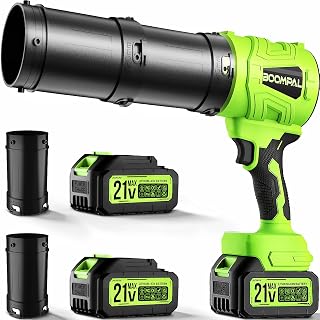


Choosing a cordless leaf blower for Canadian conditions requires more than comparing maximum air speed. Yard size, leaf volume, battery platform, operating time, airflow control, weight, weather conditions and storage requirements can all affect which model makes sense. A compact blower that is excellent for clearing a patio may be a poor choice for a large property with mature trees, while a high-output blower can be unnecessary for light debris around a small urban yard.
For an independent buying decision, compare the complete specification rather than relying on a single advertised number. Air speed, airflow volume, battery capacity, tool weight, included battery and charger, trigger design and speed-control system should be considered together.
Leaf blower specifications commonly emphasize maximum air speed, but air speed alone does not describe how effectively a blower can move debris. Air speed is generally expressed in kilometres per hour or miles per hour, while airflow is commonly expressed in cubic metres per minute, cubic feet per minute or a similar volume-based measurement.
A high air-speed figure can be useful for loosening stubborn debris or directing material through a narrow stream. Higher airflow can be more useful when moving larger quantities of dry leaves across a lawn. The nozzle design also changes how the air stream behaves, so two blowers with similar headline specifications can feel quite different during use.
Maximum air speed is normally measured under particular conditions and may represent the blower's peak output rather than its normal operating level. A buyer comparing only the largest number on a product page may overlook airflow volume, runtime and ergonomic factors that have greater importance during a real cleanup.
For routine residential work, a controllable blower is often more practical than a model designed to operate at maximum output continuously. Lower settings can be preferable for flower beds, gravel, mulch, garden soil, delicate surfaces and areas where debris needs to be moved without scattering it excessively.
Cordless leaf blowers are closely tied to their battery systems. Battery voltage is not, by itself, a reliable measurement of blower performance. Different manufacturers use different motor designs, electronic controls and battery configurations, so voltage should be considered alongside the rest of the specification.
Battery capacity is commonly expressed in ampere-hours (Ah). In general terms, a larger battery capacity can provide more available energy, but runtime depends on the tool's power demand and the operating mode selected. Continuous use at maximum output can consume substantially more energy than intermittent use at a lower setting.
A bare tool can make financial sense when compatible batteries and a charger are already available. For someone entering a battery ecosystem for the first time, a kit containing the blower, battery and charger may be more practical.
Do not compare the sticker price of a bare tool directly with the price of a complete kit and assume the cheaper option is automatically the better value. The battery and charger can represent a meaningful portion of the total system cost.
Battery-platform compatibility is one of the most important long-term buying considerations. Major power-tool manufacturers such as DeWalt, Milwaukee, Makita, Bosch, Ryobi, EGO, Greenworks and BLACK+DECKER offer cordless outdoor equipment platforms, although battery compatibility is normally limited to the manufacturer's designated system.
If you already use cordless drills, impact drivers, saws or other compatible tools, staying within an established battery ecosystem can reduce the need to purchase additional chargers and batteries. If the blower will be your first cordless tool, compare the wider range of tools available on each platform rather than selecting a battery system solely for one blower.
Runtime is one of the most difficult specifications to compare because manufacturers may measure it under different operating conditions. A published runtime may correspond to a low-speed setting, intermittent operation or a specific battery configuration rather than continuous maximum-power use.
Think about the size and layout of the property instead. A small driveway, porch and patio may require only short bursts of operation. A large suburban property with extensive lawn areas and numerous mature trees may benefit from multiple batteries or a higher-capacity battery option.
A precision cordless leaf blower should be easy to control rather than simply powerful. Variable-speed triggers, electronic speed controls and selectable operating modes allow the user to adjust airflow to the surface and material being cleared.
Lower airflow is useful when clearing leaves from garden beds without disturbing mulch. Moderate airflow can work well on driveways, decks and patios. Higher output is useful for heavier accumulations, damp leaves and larger open areas when conditions permit.
A trigger that provides gradual control can also make the blower less tiring because the user does not have to operate at full power for every task. Lock-on or cruise-control features can be useful during extended work, but their practicality depends on the design and the user's preferred operating style.
Weight becomes increasingly important as cleanup time increases. A blower can have impressive specifications and still be uncomfortable if the battery makes the tool top-heavy or the handle places excessive strain on the wrist.
Look beyond the listed bare-tool weight. The operating weight may include the battery and nozzle, and the difference can be noticeable. A blower with a well-balanced motor and battery position may feel easier to control than a technically lighter tool with less favourable weight distribution.
Motor and fan architecture can affect the overall shape and airflow characteristics of a cordless blower. Many modern high-performance battery blowers use compact motor and fan arrangements designed to deliver substantial airflow from a handheld tool.
Rather than choosing a design based on terminology alone, examine the complete specification. A blower's practical performance depends on the motor, fan, battery, electronic controls and nozzle working together.
Basic blowers may offer a simple on/off control, while more advanced models can provide multiple speed levels, variable triggers or a combination of trigger control and boost functions. More adjustment is generally useful when a single blower must handle different surfaces and debris types.
For example, maximum power may be unnecessary for dry leaves on a hard driveway but helpful when moving heavier debris across a lawn. Fine control also makes it easier to avoid sending leaves into neighbouring properties or scattering debris into areas that have already been cleaned.
Brushless motors are widely used in modern cordless power tools. They eliminate conventional motor brushes and can be paired with electronic controls to manage power delivery efficiently. Manufacturers may also design brushless systems around longer tool life, thermal management and improved energy use.
However, “brushless” should not be treated as a complete quality assessment. Motor technology is only one part of the blower. Battery design, airflow, electronics, construction, controls and warranty terms should still be compared.
Cordless operation does not mean a leaf blower is silent. High-output blowers can still produce substantial noise, particularly at maximum power. Noise restrictions can also vary between municipalities and may change over time, so buyers should check the current local rules before using a blower in a residential area.
When noise is important, consider both the blower's published sound rating and how the tool will actually be used. Lower speed can reduce disturbance, while choosing appropriate operating hours can help avoid conflicts with neighbours.
Canadian outdoor equipment can encounter a wide range of temperatures and weather conditions. Fall cleanup may involve dry leaves, damp leaves, pine needles and small twigs, while spring cleanup can involve accumulated winter debris.
Wet material is considerably more challenging than lightweight dry leaves. A blower that feels powerful during a dry autumn cleanup may require more effort when leaves are saturated. For difficult conditions, airflow control and realistic expectations are more useful than assuming the maximum specification will solve every problem.
Do not use a cordless blower in conditions or environments prohibited by its manufacturer. Water exposure, storage temperatures and battery charging temperatures should be handled according to the specific tool and battery instructions.
Battery-powered tools can behave differently in cold weather. Lower temperatures can reduce available battery performance, particularly when a battery has been stored in very cold conditions. Canadian users should pay attention to the manufacturer's storage, charging and operating-temperature guidance.
For winter storage, keep batteries and chargers in the environment specified by the manufacturer rather than leaving them exposed to outdoor freezing conditions. Before charging a battery that has been stored in a cold location, follow the manufacturer's instructions regarding acceptable charging temperature.
The nozzle is an important but frequently overlooked component. A narrow nozzle can concentrate the air stream for targeted work, while a broader outlet can spread airflow across a larger area.
If precision is the priority, compare whether the included nozzle is designed for concentrated airflow and whether additional nozzle configurations are available for the model. A blower intended for both broad lawn cleanup and detailed work benefits from a nozzle system that matches those different tasks.
Two blowers with similar weights can feel different in the hand because of battery and motor placement. The centre of gravity influences wrist position, maneuverability and fatigue.
For frequent use, balance can be more important than a small difference in listed weight. A buyer should consider how the tool will feel when the battery is installed and whether the grip allows the blower to be directed naturally without excessive wrist movement.
Look for construction details that correspond to the intended workload. Housing materials, battery mounting, handle construction, trigger components, nozzle attachment and protective features can all affect long-term usability.
Durability should not be inferred solely from a brand name. Compare the manufacturer's specifications, intended use, warranty terms, replacement-part information and customer feedback from reputable retail sources before making a decision.
Cordless blowers generally require less routine maintenance than petrol-powered alternatives because there is no engine oil, spark plug or fuel system to service. They still need basic care to maintain reliable operation.
The battery is one of the most important components of a cordless outdoor-tool system. Proper storage can help preserve the battery and reduce unnecessary wear. Follow the manufacturer's instructions for charge level, temperature and storage conditions rather than relying on a generic charging routine.
If the blower is used heavily during autumn and then stored for an extended period, inspect the battery and tool before the next season. Check for physical damage and ensure the battery and charger are appropriate for the exact tool platform.
Cordless blowers have several practical advantages for residential users. They eliminate fuel mixing, exhaust emissions at the point of use and engine warm-up. They are also generally easier to start and can be convenient for short cleanup tasks.
Gas-powered equipment can still appeal to users who prioritize long continuous operating periods and the ability to refuel quickly. The right choice depends on property size, operating time, noise considerations, maintenance preferences and access to charging.
When reviewing a shortlist of ten cordless leaf blowers, avoid ranking models solely by maximum air speed or price. A more useful comparison evaluates how each model fits a specific type of Canadian homeowner.
For a small urban or suburban property, a compact cordless blower can be the most sensible choice. There is usually little benefit in carrying a heavy high-output model when most jobs involve patios, walkways, driveways, decks and a limited lawn area.
Prioritize low weight, controllable airflow, a compact design and a battery system that fits other tools you may already own. A smaller battery can also be sufficient when cleanup sessions are short.
Large properties with extensive lawns and mature trees place greater emphasis on airflow, runtime and battery availability. Buyers should consider whether one battery can complete a typical cleanup or whether a multi-battery strategy is more practical.
Higher-output equipment can reduce the time required to move large amounts of dry leaves, but the additional power may come with increased weight, noise and battery consumption. Compare the complete package rather than assuming the largest blower is automatically the best choice.
Hard surfaces often benefit from precise airflow control. Excessive output can send lightweight debris in unwanted directions, while moderate airflow can provide better control.
A compact blower with variable-speed operation is particularly useful for detailed cleanup around outdoor furniture, steps, garage entrances, vehicles and paved areas.
Garden beds require careful handling because high airflow can disturb mulch, loose soil and lightweight decorative material. Variable-speed operation is more important here than maximum output.
Use the lowest effective setting and direct airflow deliberately. Instead of attempting to move everything at maximum power, work in controlled passes and avoid directing airflow directly into exposed soil or fragile plants.
Pine needles can be more difficult to move than dry broad leaves because they can collect densely around grass, garden edges and landscaping features. A concentrated nozzle and adequate airflow can be useful for this type of cleanup.
When comparing models for pine needles, pay attention to airflow delivery and nozzle design rather than relying exclusively on the maximum air-speed number.
The largest air-speed figure does not necessarily indicate the best overall blower. Airflow volume, control, battery performance and ergonomics can be equally important.
A bare tool can appear inexpensive until the cost of a compatible battery and charger is added. Compare complete ownership cost before deciding which model offers better value.
More output can mean more weight, greater noise and faster battery consumption. A homeowner who only clears a small patio may gain little from carrying a professional-grade high-output blower.
The opposite mistake is selecting a compact battery without considering property size. If the tool repeatedly runs out of charge before the cleanup is finished, the initial savings may not feel worthwhile.
Buying a blower that uses a battery platform you do not otherwise need can create additional costs. Consider future purchases such as trimmers, chainsaws, hedge trimmers and lawn equipment when choosing an ecosystem.
Published bare-tool weight can make a model appear lighter than it feels during use. Always look for the complete operating configuration when comparing ergonomics.
Battery platforms can have multiple generations and product families. Confirm compatibility for the exact tool and battery before purchasing additional packs.
Customer reviews can be useful for identifying recurring ownership issues, but they should be interpreted carefully. Individual experiences may differ because of property size, battery capacity, weather, debris type and usage habits.
Look for repeated patterns rather than isolated comments. Reviews that consistently mention weight, battery life, trigger control, charging behaviour or durability can provide useful context alongside the manufacturer's specifications.
Canadian shoppers can encounter cordless leaf blowers from a broad range of established power-tool and outdoor-equipment brands. Names commonly encountered in this category include DeWalt, Milwaukee, Makita, Bosch, Ryobi, EGO, Greenworks, BLACK+DECKER, Toro and WORX.
Brand familiarity should not replace specification-level comparison. Each manufacturer can position different products for different users, from compact residential tools to higher-output equipment intended for demanding outdoor work.
When comparing brands, examine battery-platform breadth, replacement battery availability, charger options, published specifications, warranty information and the range of compatible outdoor tools available in Canada.
Professional-oriented blowers may emphasize sustained output, durability, advanced controls and compatibility with larger battery systems. Residential models may prioritize lower weight, convenience and affordability.
The best choice depends on workload rather than the label. A homeowner who performs occasional seasonal cleanup may not benefit from the additional size and cost of equipment designed for frequent commercial use.
Leaf blowers can propel stones, sticks and other debris at high speed. Clear the working area before starting and avoid directing airflow toward people, pets, vehicles, windows or other vulnerable objects.
Maximum power is not always necessary. One of the simplest ways to extend runtime is to use the lowest airflow setting that completes the task effectively.
A blower is excellent for moving loose leaves and lightweight debris, but it is not a universal replacement for every yard-cleanup tool. Wet, compacted leaves may require raking or another method to loosen them before blowing. Heavy branches and large debris should be collected rather than forced through a blower's airflow.
For grass clippings, leaves trapped deeply in dense landscaping or debris that needs to be physically collected, a combination of raking, sweeping, vacuuming or collection may produce a better result than relying on airflow alone.
Price comparisons are meaningful only when the configurations are equivalent. One listing may include a battery and charger while another may contain the bare tool. Battery capacity can also differ substantially between kits.
Before comparing today's prices, record the exact model number, battery capacity, charger inclusion, nozzle configuration and other included accessories. This prevents a lower advertised price from appearing better simply because essential components have been omitted.
There is no single best cordless leaf blower for every Canadian homeowner. The right option depends on property size, debris volume, desired runtime, battery ecosystem, weight preferences, noise considerations and budget. Compare the models on this page using those criteria rather than selecting solely by maximum air speed.
Many cordless blowers are designed specifically for residential leaf and debris cleanup, but actual performance depends on the model, battery, airflow setting and condition of the leaves. Dry leaves are generally easier to move than wet or compacted leaves.
The appropriate battery depends on the blower and workload. A smaller battery may be sufficient for short patio or driveway cleanup, while a larger-capacity battery or multiple batteries can be more practical for large properties and extended sessions.
Brushless motors can provide advantages in modern cordless tools, but brushless construction alone does not determine whether a blower is right for you. Compare output, runtime, controls, weight, battery compatibility, construction and warranty information as a complete package.
Neither specification should be evaluated in isolation. Air speed is useful for concentrated airflow, while airflow volume helps describe how much air the blower can move. The best balance depends on whether you primarily clear small detailed areas or large quantities of leaves.
A blower can move some damp material, but wet leaves are heavier and tend to stick together. Performance will vary considerably by blower and conditions. For heavily saturated or compacted material, raking or loosening the leaves first may be more effective.
There is no universal runtime. Battery capacity, blower power, speed setting, operating pattern, temperature and debris conditions all affect runtime. Manufacturer runtime figures should be interpreted in the context of the test conditions provided for the specific model.
Choose a bare tool if you already have the correct compatible battery and charger and intend to remain within that platform. A kit can be more convenient for new users who need the complete operating system.
Often, batteries can be shared across tools within the same compatible manufacturer platform, but compatibility should always be confirmed for the exact battery and tool models. Do not assume that products using similar voltage ratings are automatically interchangeable.
Cordless models can offer a different acoustic experience from petrol-powered equipment, particularly because they do not have a combustion engine, but they are still capable of producing significant noise. Check the manufacturer's sound information and applicable local regulations.
For a small yard, prioritize low weight, easy handling, variable-speed control and adequate battery capacity. Maximum output may be less important than comfort and precision.
Large-property users should pay greater attention to airflow, sustained battery performance, interchangeable batteries, charging options, ergonomics and overall durability. A second compatible battery can be useful when a single charge is unlikely to cover the entire cleanup.
Routine maintenance is generally straightforward compared with petrol equipment. Keep intake areas clear, inspect the blower and nozzle, maintain clean battery contacts and follow the manufacturer's battery storage and charging instructions.
Before choosing from the top cordless leaf blowers in this guide, use the following checklist to narrow the field:
The best precision cordless leaf blower is the one whose performance, battery system and ergonomics match the way you actually maintain your property. A compact model can be the smarter option for short, detailed cleanup, while a high-output system may make more sense for large lawns and heavy seasonal leaf accumulation.
For Canadian buyers in 2026, battery-platform compatibility deserves particular attention because it can influence the cost and convenience of owning additional outdoor tools for years. Compare the complete package, including the blower, battery, charger, controls, weight, runtime, nozzle and warranty information, before making a final decision.
Use the product specifications and current retailer information for the exact model you are considering, then compare recent customer feedback and today's pricing before purchasing. Specifications, kit contents, pricing, availability and manufacturer policies can change, so verify those details at the time of purchase.