

♥ Wishlist
Compare 43 Makita Leaf Blowers for Canadian Outdoor Cleanup products in Canada. Reviews, ratings, pros, cons and buying advice updated for October 2026.


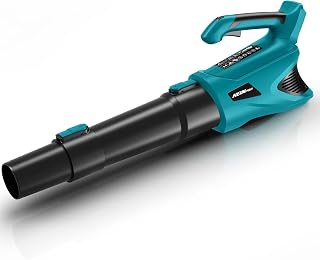


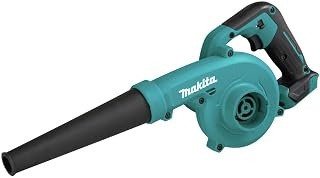
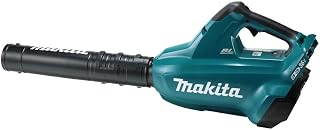


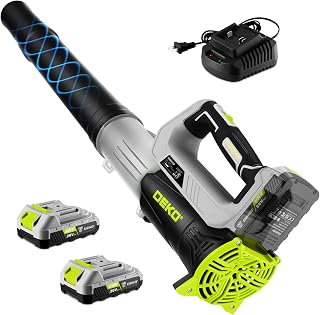


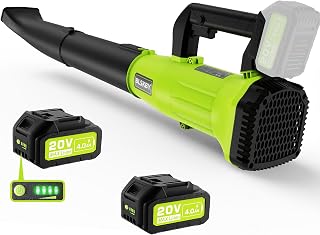


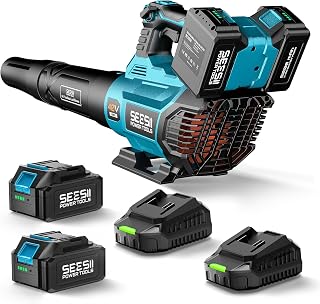


Choosing a Makita leaf blower is not simply a matter of selecting the model with the highest advertised air speed. For Canadian homeowners, the better buying decision comes from matching the blower's airflow, air speed, power source, runtime, noise characteristics, weight and control system to the work you actually expect it to perform. A compact blower that is easy to manoeuvre may be preferable for patios and small yards, while a higher-output machine can make more sense for large properties, heavy wet leaves and seasonal cleanup.
Makita offers cordless, corded and petrol-powered outdoor equipment across different performance categories. The exact combination of features varies by model, so specifications should always be checked against the current product information before purchasing. A good comparison should consider the complete operating system rather than focusing on one headline number.
Two of the most important specifications are air speed and air volume. Air speed is commonly expressed in kilometres per hour or metres per second and describes how quickly the air exits the nozzle. Air volume, often expressed as cubic metres per minute or cubic feet per minute, describes how much air the blower can move.
These measurements answer different questions. High air speed can be useful when you need concentrated airflow to move stubborn debris from a particular area. Higher air volume can be more valuable when clearing a broad lawn, driveway or large quantity of loose leaves. Looking at only one specification can therefore give an incomplete impression of capability.
For precision cleanup, nozzle design is also important. A narrower nozzle can concentrate airflow for detailed work, while a wider outlet can spread the airflow over a larger area. When comparing Makita models, consider the supplied nozzles and whether replacement or optional accessories are appropriate for the intended application.
Cordless Makita blowers are particularly attractive when freedom of movement matters. Battery-powered equipment eliminates the need to manage an extension cord and can be convenient for cleaning vehicles, decks, walkways, garden beds and other areas where a power cable would be restrictive.
However, battery voltage alone should not determine your choice. A higher-voltage platform does not automatically mean that every model will deliver the best experience for every user. Motor design, airflow characteristics, trigger control, operating mode and battery capacity all influence practical performance.
Battery capacity is commonly expressed in amp-hours. In general terms, a higher-capacity battery can provide more stored energy, but it may also add weight. Users who perform short cleanup sessions may prefer a lighter setup, whereas someone clearing a large property may place greater value on extended operating time.
Runtime is one of the most important considerations when comparing cordless leaf blowers. Actual operating time can vary substantially depending on the selected power setting, battery capacity, ambient conditions, debris type and how continuously the blower is operated.
If you already own compatible Makita cordless tools, a blower that uses the same battery platform can have a practical advantage. Existing batteries may reduce the need to maintain a completely separate battery ecosystem. Before buying a tool-only configuration, however, verify whether a compatible battery and charger are already available to you.
Cordless models are often the most convenient choice for residential cleanup because they combine portability with relatively straightforward operation. There is no extension cable to drag across a yard, and starting the machine does not require the preparation associated with petrol equipment.
The main trade-off is energy management. Runtime depends on the battery and operating conditions, and users who routinely clear large areas may need additional batteries or a larger-capacity setup.
Corded electric blowers can be useful when continuous operation is more important than mobility. If the work area is close to a suitable electrical outlet, a corded machine can operate without the runtime limitations associated with a rechargeable battery.
The principal limitation is the power cord itself. Extension-cord selection, outlet location and safe cable management become part of the operating process. For larger outdoor areas, the practical inconvenience of a cable may outweigh the benefit of continuous electrical power.
Petrol blowers can be relevant for users who prioritize sustained operation and do not want to depend on battery charging. They can also be suited to demanding outdoor work where access to electrical power is limited.
On the other hand, petrol equipment generally involves additional considerations such as fuel, engine maintenance, starting procedures, storage and exhaust emissions. Noise and vibration can also be more significant considerations. Always follow the specific operating, maintenance and storage instructions supplied for the model.
The word precision is particularly relevant when a blower will be used around flower beds, landscaping, garages, vehicles, workshops or other areas where excessive airflow can scatter debris unnecessarily. A highly controllable blower can make detail work easier because the operator can direct airflow exactly where it is needed.
Variable-speed control can be more useful than simply having maximum output. A lower setting can help move light debris without disturbing mulch, gravel or decorative material, while higher output can be reserved for wet leaves and more stubborn debris.
Trigger design also affects control. A comfortable variable-speed trigger can make it easier to modulate airflow during longer cleanup sessions. Some models may provide additional controls for maintaining a selected operating speed, but the precise control system depends on the individual product.
A lock-on or cruise-control feature can reduce the need to continuously hold a trigger at a fixed position. This may be useful when clearing large areas where a consistent airflow is preferred. For precision work, however, the ability to make rapid changes in output can be more important than maintaining a constant setting.
The nozzle determines how airflow is delivered to the work surface. A concentrated nozzle can provide a focused stream, while a broader configuration can make it easier to move leaves across a larger area.
When comparing products, do not overlook nozzle length and shape. A nozzle that places the airflow at a comfortable working angle can reduce unnecessary bending and make it easier to maintain control. Accessory compatibility can also matter if you already have other Makita outdoor equipment.
For small areas, portability and controllability may matter more than maximum output. A compact cordless blower can be easier to store and manoeuvre, particularly when the job involves a few minutes of routine cleanup rather than large piles of leaves.
Driveways often contain a mixture of dry leaves, grass clippings, dust and small debris. A model with adjustable airflow can be advantageous because it allows the operator to use gentler settings for loose material and increase output when necessary.
Large lawns increase the importance of battery capacity, operating comfort and airflow volume. A lightweight blower may still be preferable if the user frequently performs shorter sessions, while larger properties may justify a higher-capacity battery strategy.
Wet leaves are substantially more difficult to move than dry leaves because moisture increases their mass and causes them to stick together and adhere to surfaces. Maximum advertised air speed does not guarantee easy removal of wet debris. For these jobs, compare both air volume and air speed and consider whether the machine is intended for the workload.
Grass clippings are generally lighter than wet leaves, but they can accumulate around hard surfaces, garden edges and equipment. Adjustable airflow is useful when you want to clean a narrow area without scattering material across an already-clean section of the yard.
A blower can be useful for moving sawdust, leaves and loose debris from suitable hard surfaces, but users should consider where the debris will go before switching the machine on. Fine dust can become airborne quickly. Follow the equipment manufacturer's safety guidance and use appropriate respiratory and eye protection when the task creates airborne particles.
A blower's specifications do not tell the entire story. Weight distribution, handle position, trigger design and vibration can influence how comfortable a machine feels during extended use.
Battery-powered models can become noticeably heavier when paired with larger batteries. The battery's location also affects balance. A well-balanced tool can feel easier to control even when its total weight is not the lowest in the category.
Noise is an important practical consideration when selecting outdoor power equipment. The acceptable level of noise can depend on the machine, operating mode, property layout and local requirements.
Do not assume that one specification alone describes the complete sound experience. Published sound-pressure and sound-power measurements are different measurements, and the actual sound perceived by an operator can also be affected by distance, surfaces and surroundings.
Regardless of the power source, appropriate hearing protection should be considered when required by the manufacturer's safety instructions. Users should also be considerate of neighbours and follow applicable municipal or local restrictions concerning outdoor equipment.
For shoppers already invested in Makita cordless tools, platform compatibility can significantly influence overall value. A blower that accepts batteries already owned for compatible Makita equipment may avoid purchasing another battery system.
However, Makita has multiple battery platforms and product generations, so never assume that a battery will fit simply because both products carry the Makita name. Confirm the exact battery platform specified for the blower and compare it with the batteries and chargers you currently own.
This is particularly important when comparing tool-only listings. A lower purchase price may reflect the absence of a battery and charger rather than a lower cost for a complete working setup.
Maximum air speed can look impressive on a specification sheet, but it does not independently determine how quickly a blower will clear an entire yard. Air volume, nozzle design and control characteristics can be equally important.
A cordless tool-only package may appear attractive until the cost of a compatible battery and charger is considered. Compare the complete system you actually need rather than comparing tool prices in isolation.
Higher output can be useful for demanding cleanup, but excessive power may make delicate work more difficult. If you routinely clean flower beds, decorative stone or confined areas, control and variable-speed operation can be more valuable than maximum output.
A blower that looks excellent on paper can become inconvenient if it is uncomfortable to carry. Consider how long typical cleanup sessions last and whether the battery adds substantial weight.
Compare the contents of each package carefully. Two listings for apparently similar blowers may contain different combinations of batteries, chargers, nozzles or accessories. Product names can also be similar while specifications differ.
Outdoor power equipment should be stored appropriately for its power source and according to manufacturer instructions. Battery equipment requires sensible battery storage and charging practices, while petrol equipment has additional fuel and engine-storage considerations.
Before choosing among the best Makita leaf blowers available to Canadian shoppers, use a consistent checklist so that one impressive specification does not overshadow more relevant factors.
Makita is not the only established manufacturer in the outdoor power equipment market. Depending on your existing tool collection and intended use, it can be useful to compare equivalent products from brands such as DeWalt, Milwaukee, Bosch, Ryobi, EGO and Greenworks.
The most useful comparison is not simply brand against brand. Compare the actual models on battery ecosystem, airflow specifications, controls, weight, included equipment, warranty terms, replacement battery costs and suitability for your property.
For cordless tool owners, battery-platform compatibility can be a major deciding factor between Makita and DeWalt. Someone already using one manufacturer's compatible outdoor tools may find it more practical to remain within that ecosystem.
Milwaukee is strongly established in cordless power tools, making its outdoor equipment relevant for shoppers who already use compatible batteries. Compare actual blower specifications and complete kit contents rather than assuming that a shared professional-tool reputation means two products will perform identically.
Ryobi provides another broad cordless ecosystem for homeowners. When comparing it with Makita, consider the overall range of compatible tools you expect to own, battery investment, blower specifications and ergonomics.
EGO is particularly relevant when the primary purchase is outdoor power equipment rather than a broader collection of workshop tools. Compare airflow, battery capacity, operating comfort and the wider outdoor-tool ecosystem before deciding.
Customer ratings can provide useful information, but they should not be treated as a substitute for technical specifications or safety documentation. Reviews may reflect different property sizes, expectations, weather conditions and usage patterns.
When reading verified customer reviews, look for recurring observations rather than relying on a single enthusiastic or negative comment. Pay particular attention to feedback concerning battery runtime, balance, trigger control, noise, ease of use and performance under the types of conditions you expect to encounter.
Routine maintenance can help keep outdoor equipment operating as intended. The correct procedure depends on the exact Makita model and power source, so the owner's manual should always take priority over generic maintenance advice.
Airflow depends on unobstructed intake and discharge paths. Inspect the machine for accumulated grass, leaves and other debris and clean it according to the manufacturer's instructions. Do not operate equipment with damaged or obstructed components.
The nozzle is directly involved in directing airflow. Check for cracks, excessive wear or blockages before use. A damaged accessory should be handled according to the manufacturer's replacement guidance.
Before operation, inspect the housing, handles, trigger, battery connection area and other accessible components. If equipment has been dropped or damaged, follow the manufacturer's instructions regarding inspection and safe use.
For cordless equipment, batteries should be charged, stored and handled according to the battery manufacturer's instructions. Avoid using batteries that show signs of damage, overheating or other abnormal behaviour.
Petrol blowers require model-specific engine maintenance. Fuel handling, filters, spark plugs and storage procedures should be addressed according to the manufacturer's instructions rather than generic recommendations.
Leaf blowers can move small stones, sticks and other debris at high speed. Always read the operating instructions for the exact model and use the protective equipment specified by the manufacturer.
Canadian outdoor conditions can vary significantly throughout the year. Temperature, moisture, snowmelt, rainfall and seasonal leaf accumulation can all change the difficulty of cleanup.
Dry autumn leaves are usually easier to move than wet leaves that have accumulated after rain. Cold weather can also influence battery behaviour. Battery-operated equipment should be used and stored according to the manufacturer's temperature and charging guidance.
For shoppers in regions with substantial seasonal leaf fall, it is worth thinking about the entire cleanup cycle rather than the occasional light-duty task. A blower selected for everyday patio cleaning may not be the same choice you would make for several weeks of heavy autumn debris.
A leaf blower is useful for moving loose debris, but it is not a universal solution for every outdoor cleanup task. Very heavy wet material may require manual collection or another appropriate tool. Fine dust may require a vacuum or collection system designed for that application. Blowing debris into public areas or onto neighbouring properties is also inappropriate.
For many homeowners, the most effective cleanup routine combines several methods: collecting larger piles, removing heavier material manually where necessary and using controlled airflow to finish hard surfaces.
If you are purchasing more than a single blower, think about the complete outdoor-tool ecosystem. A compatible battery platform can potentially support several tools, reducing the number of different battery systems you need to maintain.
Depending on your property, a practical setup could include a blower for surface cleanup, a suitable trimmer for grass edges and a compatible mower or other outdoor equipment. The advantage of this approach is not that every tool must come from the same manufacturer, but that you can evaluate battery compatibility and total ownership requirements before committing to a platform.
A useful Top 10 comparison should distinguish products by purpose rather than presenting ten nearly identical choices. When evaluating the models in this guide, consider whether each product is best suited to light cleanup, general residential use, precision work, larger properties or more demanding debris.
Use the following evaluation framework when comparing specifications and current retailer listings:
Prioritize a compact and manageable blower with straightforward controls. For short sessions, portability and convenience can be more important than maximum output.
Look for a combination of strong airflow, useful battery capacity and comfortable ergonomics. Extended operation makes weight and battery strategy increasingly important.
Prioritize variable-speed control, manageable airflow and a nozzle configuration that allows accurate direction. Excessive output can be counterproductive around lightweight landscaping materials.
Focus on both air volume and air speed, especially if leaves may be damp. Battery capacity or continuous power can also become more important when clearing a large area.
Start with battery compatibility. If the blower works with batteries and chargers you already own, compare the total setup cost and practical performance against alternatives that require a new platform.
Online listings can change over time, particularly with seasonal outdoor equipment. Before purchasing, verify the exact model number and package configuration rather than relying solely on the product title.
There is no single best Makita leaf blower for every Canadian buyer. The right choice depends on property size, debris type, desired runtime, available batteries, preferred power source and budget. A compact cordless model can make sense for routine residential cleanup, while larger or higher-output equipment may be more appropriate for demanding seasonal work.
Some cordless models can handle demanding leaf cleanup, but wet leaves are considerably harder to move than dry leaves. Compare the specific model's airflow specifications and intended use rather than assuming that all cordless blowers have the same capability.
Neither specification is universally more important. Air speed relates to the force of the outgoing air stream, while air volume indicates how much air the blower moves. For broad leaf collection, airflow volume can be particularly important; for concentrated cleanup, air speed and nozzle design can matter more.
No. Makita has different battery platforms and product configurations. Always verify the exact battery compatibility specified for the blower before purchasing or assuming that an existing battery will fit.
Package contents vary by model and listing. Some products may be sold as tool-only configurations while others may be offered as kits. Check the exact current listing to determine whether a battery and charger are included.
There is no single runtime that applies to every model and battery. Runtime varies according to battery capacity, operating mode, trigger usage, temperature and workload. Compare manufacturer runtime information where provided and consider your expected cleanup duration.
Care is required because concentrated airflow can move loose stones and create projectiles. Use a lower setting when appropriate, keep the nozzle at a suitable distance and follow the manufacturer's safety guidance.
A blower can move suitable loose debris from appropriate hard surfaces, but blowing fine dust can create airborne particles. Use appropriate protective equipment and follow the manufacturer's instructions for the application.
A suitable Makita blower can be useful for moving loose grass clippings from hard surfaces such as driveways and walkways. Variable-speed control can help prevent unnecessary scattering.
Prioritize controllable airflow, variable-speed operation, comfortable ergonomics and an appropriate nozzle. Precision work is often easier with a blower that allows you to reduce airflow when working around lightweight landscaping materials.
Start with model numbers and compare air speed, air volume, power source, battery platform, weight, controls, nozzle configuration and package contents. Then consider price and customer feedback for the exact configurations being compared.
No. Ratings are useful as one source of consumer feedback, but they should be considered alongside manufacturer specifications, intended use, package contents, safety information and the experiences of reviewers with similar requirements.
Before selecting one of the featured Makita leaf blowers, make sure the model matches your actual cleanup routine. The strongest choice is usually the one that provides enough performance without unnecessary weight, complexity or battery investment.
The best precision Makita leaf blower is not necessarily the most powerful model or the newest model. It is the model whose performance characteristics, battery system, controls, ergonomics and package contents fit the job you actually need to complete.
For Canadian shoppers, seasonal conditions make this distinction particularly important. A blower selected for occasional patio cleanup has different priorities from equipment intended for extensive autumn leaf removal. By comparing airflow, air speed, runtime, power source, weight and control instead of relying on a single specification, you can narrow the available options more intelligently.
Before making a final purchase decision, verify the current model specifications, package contents, retailer price, customer feedback, warranty information and compatibility details. Product configurations and pricing can change, so the exact listing should always be treated as the final reference for the purchase you are considering.