

♥ Wishlist
Compare 21 Cordless Screw Drivers for DIY, Repairs & Everyday Projects products in Canada. Reviews, ratings, pros, cons and buying advice updated for October 2026.
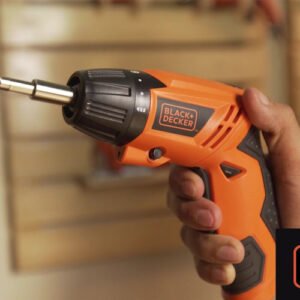
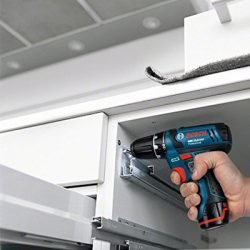
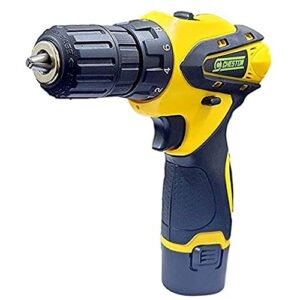
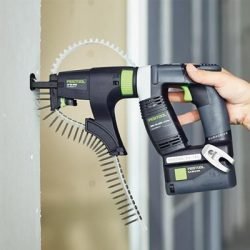
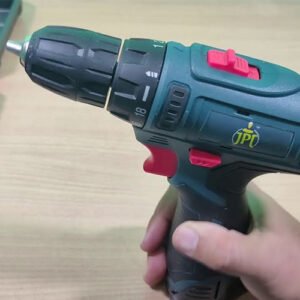


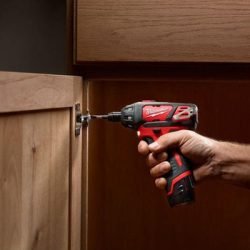


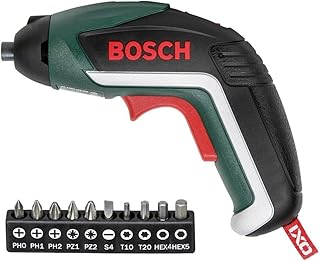


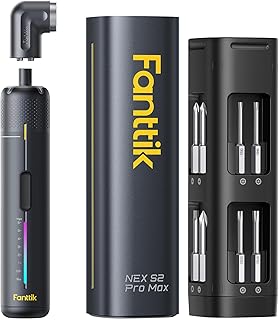
A precision cordless screwdriver is designed for small fasteners where control, compact size, and bit compatibility matter more than the high torque associated with a full-size drill or impact driver. For Canadian buyers, the right choice depends on the type of work, fastener size, available bit system, battery arrangement, ergonomics, and how easily replacement or compatible accessories can be found.
The phrase “precision cordless screwdriver” covers several different tool types. Some are intended for electronics and small consumer devices, while others are better suited to eyeglasses, cameras, computers, appliances, hobby projects, small furniture hardware, and general light-duty repairs. Before comparing individual models, it is useful to identify which category matches the work you actually expect to perform.
Precision is not simply a matter of having a small screwdriver. A useful precision tool should allow the user to approach a fastener accurately, apply controlled rotational force, and stop without unnecessarily damaging the screw head or the surrounding material.
These tools overlap, but they are not interchangeable in every situation.
A precision cordless screwdriver generally prioritizes compactness and controlled fastening. It is a strong fit for small screws and delicate assemblies where a conventional drill can be unnecessarily large or powerful.
A compact electric screwdriver can provide more general-purpose fastening capability. It may be appropriate for cabinet hardware, household repairs, small fixtures, and other jobs that do not require the smallest precision bits.
A drill/driver is considerably more versatile. It can normally handle drilling as well as screwdriving and may provide substantially more torque. However, its larger chuck, heavier body, and greater power can make it less convenient for tiny fasteners.
An impact driver is primarily designed for applications requiring higher fastening torque. It is generally excessive for electronics, small gadgets, eyeglasses, and other delicate precision work.
If most of your projects involve small screws, choose control and bit compatibility before maximum power. If you regularly switch between small repairs and construction-oriented fastening, a precision screwdriver may be best viewed as a complementary tool rather than a replacement for a drill/driver.
Torque indicates the rotational force available at the screwdriver output. More torque is not automatically better for precision work. Excessive force can strip screw heads, damage threads, deform small components, or tighten a fastener beyond what the assembly requires.
Look for a model whose torque range matches your applications rather than choosing solely by the highest advertised figure. A screwdriver with useful low-torque control can be more practical for delicate assemblies than a more powerful tool with poor control at the lower end.
Adjustable torque can be particularly valuable when working with different materials and fastener sizes. A clutch or electronic torque-control system can help prevent over-tightening, although users should still follow the fastening requirements of the component being repaired.
Higher speed can reduce the time needed to remove or install repetitive fasteners, but speed is less important than controllability for delicate work. Variable-speed operation is generally more useful than a single high-speed setting because it lets the user approach the fastener more carefully.
A dedicated forward/reverse control makes switching between installation and removal straightforward. The control should be easy to reach without accidentally activating it while gripping the tool.
Bit compatibility is one of the most important considerations. Check whether the screwdriver accepts the bit format you already own and whether replacement bits are readily available in Canada.
Do not judge a precision screwdriver by the number of included bits alone. A large assortment is useful only when it contains the sizes and profiles you actually need. A smaller, high-quality selection can be more practical than a very large kit filled with redundant or poorly matched bits.
Always match the bit precisely to the screw head. If a bit feels loose in the fastener, forcing it with a powered screwdriver can increase the risk of stripping the head.
Cordless convenience eliminates the need to manage a trailing power cable, but the battery system deserves attention before purchase.
A built-in rechargeable battery keeps the tool compact and is often convenient for occasional repair work. The main consideration is charging: examine the charging connector, charging method, included cable or adapter, and manufacturer specifications for compatibility with your intended setup.
A replaceable battery can make sense for frequent users who prefer to keep a charged spare available. It can also influence the long-term practicality of the tool because battery availability matters after the original battery has aged.
USB charging can be convenient for a compact screwdriver because it may allow the tool to be charged using equipment already present in a home or workshop. Check the manufacturer's charging requirements rather than assuming that every USB power source or adapter provides identical charging behaviour.
Runtime claims should be interpreted in the context of the work being performed. Continuous powered operation, repeated high-load fastening, intermittent screw removal, and low-torque electronics work place different demands on a battery.
For occasional household repairs, maximum runtime may matter less than charging convenience and battery longevity. For technicians or frequent users, runtime, charging time, battery replacement options, and the availability of a spare battery deserve greater weight.
Precision fastening requires accurate positioning. A screwdriver that is technically capable but awkward to hold can make delicate work unnecessarily difficult.
Weight is also relevant. A heavier tool may feel substantial during general-purpose work, but a lightweight design can be easier to control during long sessions involving small screws.
A built-in LED can be useful when working inside a computer case, appliance housing, cabinet recess, or other poorly illuminated area. However, the presence of an LED should not be treated as a substitute for good workspace lighting.
When comparing models, consider the position of the light relative to the bit. A poorly positioned LED may cast shadows around the fastener. A light located close to the working area can provide more useful illumination, particularly when the screwdriver is held at a shallow angle.
Some cordless precision screwdrivers allow the user to rotate the tool manually. This can be helpful when a screw has been partially loosened or when a final tightening adjustment needs more tactile control.
Manual operation is particularly useful for users who move between powered and hand-driven fastening during the same repair. It can also reduce unnecessary motor operation when only a few final turns are required.
Electronics repair places greater emphasis on control than on raw power. A suitable tool should support small bits and allow careful fastening without making it difficult to feel what is happening at the screw.
For computers, game consoles, laptops, cameras, controllers, small appliances, and similar equipment, pay particular attention to:
It is also important to remember that the correct screwdriver is only one part of safe electronics work. Static-sensitive components, delicate ribbon cables, plastic clips, and fragile connectors can be damaged through improper handling even when the screwdriver itself is suitable.
For PC assembly and maintenance, a precision cordless screwdriver can make repetitive fastening faster, but the tool should be used conservatively. Motherboard screws, M.2 fasteners, laptop screws, and small enclosure hardware do not generally require the force associated with construction fastening.
A useful PC-oriented kit should provide appropriate Phillips and Torx options, a comfortable grip, good visibility, and enough torque control to avoid overtightening. A magnetic bit or magnetic storage system can also make small screws easier to manage, although users should consider whether magnetic accessories are appropriate for the particular component or work environment.
For household tasks, a somewhat more capable compact screwdriver may be preferable to an ultra-fine electronics-oriented model. Cabinet pulls, small hinges, switch plates, furniture hardware, toys, battery compartments, and general maintenance can involve larger screws than those found in electronics.
If your intended use spans both household repairs and electronics, examine the bit range carefully. The most useful all-around kit is usually the one that covers the largest portion of your actual fasteners while retaining adequate control at the low end.
Buying a precision screwdriver for tasks outside its intended workload is a common mistake. Consider a drill/driver or another more appropriate tool when you need to:
Conversely, using a large drill where a precision screwdriver is appropriate can make it harder to control the fastener and easier to damage delicate components.
Brand reputation can be a useful starting point, but it should not replace specification-by-specification comparison. Buyers may encounter precision and compact electric screwdriver products from established tool and electronics-accessory brands such as Bosch, DeWalt, Makita, Milwaukee, WORX, Black+Decker, Ryobi, iFixit, Wowstick, and Xiaomi.
These brands do not necessarily target the same user or application. A professional power-tool manufacturer may emphasize ecosystem compatibility and general workshop durability, while an electronics-oriented brand may focus more heavily on compactness, specialty bits, and delicate fastening. Compare the individual model rather than assuming that every product from a familiar brand is appropriate for precision work.
Before choosing a model, work through the following checklist:
More torque is attractive in general-purpose power tools, but precision fastening is different. Excessive torque can create problems when working with small screws, plastics, thin materials, and delicate assemblies.
A large bit count can look impressive, but the useful question is whether the kit contains the profiles and sizes required for your projects. A carefully selected assortment is often more useful than an oversized collection of rarely used bits.
Bits are consumable working components. Even high-quality bits can eventually wear, especially when used on hard or damaged fasteners. Before buying a screwdriver, investigate whether compatible replacement bits are readily available.
A compact rechargeable tool can remain mechanically useful while its battery eventually loses capacity. Consider the expected ownership period and whether the battery design allows practical replacement or servicing.
Some products marketed as precision screwdrivers may still deliver more power than is desirable for fragile electronics. Look at the actual torque and control system instead of relying on the word “precision” in the product name.
Small bits are easy to misplace. A well-organized case or holder can save considerable time, especially when the kit contains numerous specialty profiles.
Customer ratings can provide useful signals, but they should not be the only purchasing criterion. Compare the detailed specifications, intended application, bit selection, battery design, torque control, ergonomics, and warranty information supplied by the manufacturer or retailer.
Customer reviews can be particularly useful when they contain specific observations about the exact task performed. Look for recurring comments concerning battery performance, bit quality, chuck or holder security, button operation, torque control, ergonomics, and long-term reliability.
Be cautious about drawing conclusions from isolated comments. A user who expects a tiny electronics screwdriver to behave like a construction drill may give a poor assessment for reasons unrelated to the product's intended purpose. Likewise, a product can receive positive feedback for casual use without necessarily being suitable for demanding professional workloads.
When reading reviews, prioritize comments from buyers whose applications resemble yours.
When two models appear similar, use a consistent comparison framework rather than relying on appearance or brand familiarity.
If you only repair household items a few times each month, simplicity may be more valuable than a sophisticated specification sheet. Prioritize comfortable handling, useful bits, dependable charging, straightforward controls, and sensible storage.
Frequent users should pay closer attention to ergonomics, battery longevity, replacement accessories, bit durability, torque consistency, and ease of maintenance. The small differences that seem unimportant during occasional use can become significant when the tool is used repeatedly throughout a workday.
Technicians should assess the complete workflow rather than just the screwdriver. Bit availability, specialty profiles, charging arrangements, precision control, storage, serviceability, and compatibility with frequently encountered equipment can all affect productivity.
Start by selecting the correct bit. The bit should sit firmly and squarely inside the screw head. Position the screwdriver directly in line with the fastener before applying power.
For removal, begin gently rather than immediately applying maximum power. A damaged screw head can make an otherwise straightforward repair significantly more difficult.
Stripping often results from a mismatch between the screw head and bit, insufficient downward pressure, an angled tool position, excessive torque, or continued operation after the bit begins to slip.
Use the largest correctly fitting bit that the fastener specification allows, keep the screwdriver aligned with the screw, and reduce power when the fastener begins to loosen or approach its final position.
Routine maintenance can help preserve the tool and its accessories.
Rechargeable batteries perform best when used and stored according to the manufacturer's instructions. Avoid leaving a battery-powered tool in extreme temperatures, particularly inside an unconditioned vehicle during very hot or very cold weather.
If the manufacturer specifies a particular charging procedure, adapter, cable, or storage condition, follow those instructions. Do not substitute an incompatible charger simply because the connector appears physically similar.
Canadian shoppers should consider more than the advertised product specification. Availability of replacement bits, charging accessories, battery components, and model-specific parts can affect the practical value of a tool over time.
Before ordering, confirm that the exact model number matches the Canadian listing you intend to purchase. Check the included accessories, electrical specifications, package contents, seller information, warranty terms, return conditions, and delivery details shown at the time of purchase.
Product availability and pricing can change, so current retailer information should always be checked before making a purchase. The same product family may also contain multiple configurations with different bit sets, batteries, chargers, or accessories.
Not every premium feature provides equal value. Features that can genuinely improve the buying proposition include precise torque control, a well-designed bit system, durable bits, a reliable battery arrangement, comfortable ergonomics, and easy access to replacement accessories.
Features that matter less should be evaluated in relation to your actual workload. An enormous bit count, decorative lighting, unusually high no-load speed, or an elaborate accessory package may not justify additional cost if your projects only require a handful of common fastener profiles.
Small screwdriver bits are easy to lose, particularly when working on electronics or small mechanical assemblies. A labelled storage case can make a major difference to usability.
Look for storage that allows individual bit profiles to be identified quickly. If the kit includes dozens of similar-looking bits, clear labelling can prevent repeated trial-and-error during repairs.
Depending on the work involved, useful accessories may include additional bit sets, magnetic bit holders, extension shafts, flexible extensions, organized storage cases, and appropriate cleaning or maintenance equipment.
Do not purchase accessories solely because they are included in a bundle. Check whether the accessory is compatible with the exact screwdriver and whether its design suits your application.
Even a small cordless screwdriver is a powered tool and should be used responsibly. Keep fingers away from the rotating bit, use the correct bit for the fastener, and stop using the tool if the battery, charger, housing, switch, or bit holder shows signs of damage.
When repairing electrical or electronic equipment, disconnect the equipment from its power source when appropriate and follow the device manufacturer's safety procedures. A screwdriver should never be treated as a substitute for proper electrical safety practices.
A useful shortlist should not simply consist of ten products with similar specifications. The strongest comparison includes models suited to different types of users and applications.
The lowest purchase price is not necessarily the lowest overall cost. Consider what is included, whether additional bits are required, how easily replacement accessories can be obtained, and whether the battery arrangement suits your expected ownership period.
When comparing current Canadian listings, compare the exact package contents rather than comparing headline prices between different configurations. One listing may include a larger bit assortment or additional accessories while another may represent the bare tool.
Start with the model number and confirm that you are reviewing the correct configuration. Then examine torque, speed, battery type, charging method, bit interface, included bits, dimensions, weight, lighting, controls, and manufacturer-specified operating information.
Pay particular attention to whether a specification refers to maximum performance, no-load operation, battery capacity, or another measurement that does not directly represent real fastening performance. Specifications should be interpreted in context rather than treated as isolated indicators of quality.
A precision screwdriver cannot compensate for an incorrectly selected bit. Even a high-quality motor and torque-control system can cause damage if the bit does not properly engage the fastener.
Keep frequently used bits clean and inspect them regularly. If a bit repeatedly slips from an otherwise undamaged screw, stop and reassess the bit profile and size rather than increasing power.
Long-term value comes from the complete ownership experience: usable performance, battery practicality, accessory availability, bit durability, comfortable handling, and the ability to continue supporting the tool with compatible components.
A less expensive model can be a sensible choice when it provides the exact capabilities required for occasional use. Conversely, someone using a screwdriver frequently may benefit from investing in better ergonomics, stronger accessory support, and more refined control.
The best precision cordless screwdriver is not necessarily the most powerful, the smallest, or the one with the largest accessory count. The right choice is the model whose torque, speed, bit selection, ergonomics, battery arrangement, and physical dimensions match the fasteners and materials you actually work with.
For electronics and delicate assemblies, prioritize controlled torque, fine bit compatibility, compact access, and careful handling. For mixed household tasks, look for a broader bit selection and somewhat greater fastening capability while retaining good control. For frequent professional use, place additional emphasis on ergonomics, battery practicality, replacement accessories, and long-term serviceability.
Before purchasing, compare the exact model specifications and package contents available in Canada, read recent customer feedback with attention to your intended application, and check current retailer information for price, availability, warranty, and return terms. A careful specification-based comparison is more reliable than choosing solely from a headline rating or a single advertised feature.
There is no single best model for every Canadian buyer. The right choice depends on whether the screwdriver will be used for electronics, computers, household repairs, hobbies, appliances, or mixed applications. Compare torque control, bit compatibility, battery design, ergonomics, and accessory availability against your specific workload.
They can be very useful for electronics when the tool provides appropriate torque control and compatible small bits. Use the lowest practical power and avoid applying unnecessary force to delicate fasteners or components.
Not necessarily. Precision work often benefits from controlled torque rather than maximum torque. Excessive force can strip screw heads or damage delicate materials.
Only if your projects require many different fastener profiles. For most users, a carefully selected assortment containing the sizes and types they actually encounter is more useful than a large collection of rarely used bits.
Phillips, slotted, Torx, hex, and relevant specialty profiles are common starting points. The ideal selection depends on the equipment and fasteners you expect to service.
Rechargeable models can be convenient because they eliminate disposable batteries and keep the tool compact. Before buying, consider charging time, battery capacity, charging method, and what happens when the battery eventually loses capacity.
USB charging can be convenient for a compact screwdriver, but compatibility should be checked against the manufacturer's charging requirements. Do not assume that every cable, adapter, or power source is interchangeable.
Usually not. A precision screwdriver is optimized for controlled fastening, while a drill/driver is designed for a broader range of drilling and fastening applications. If you regularly need to drill holes or drive larger screws, a drill/driver is generally the more appropriate primary tool.
It depends on the furniture hardware. Small cabinet and light-duty hardware may be suitable, but large fasteners or jobs requiring substantial torque may call for a more capable screwdriver or drill/driver.
Use the correct bit size, keep the screwdriver aligned with the screw, apply steady pressure, and use controlled torque. Stop if the bit begins to slip rather than compensating by increasing power.
Confirm the exact model, bit compatibility, torque and speed specifications, battery and charging arrangement, included accessories, replacement-bit availability, warranty information, and current retailer terms. Product availability and pricing should be checked at the time of purchase because they can change.
No. A higher-priced model may provide better ergonomics, control, accessories, or battery features, but the additional cost is worthwhile only when those capabilities matter to your work. Match the tool to the application rather than assuming price alone determines quality.
There is no universal replacement interval. Inspect bits for visible wear, rounding, deformation, corrosion, or poor engagement. Replace a bit when it no longer fits the fastener securely or shows damage that could increase the risk of slipping.
For many precision applications, controllability is more important than maximum power. The ideal combination is appropriate torque, accurate bit engagement, comfortable handling, and a bit selection suited to the fasteners being serviced.