
♥ Wishlist
Compare 50 Dripless Caulking Gun Hand Tools products in Canada. Reviews, ratings, pros, cons and buying advice updated for October 2026.


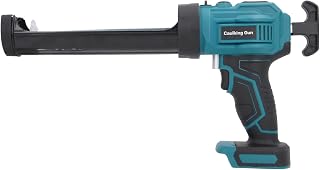


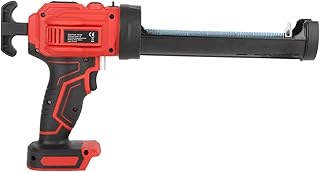





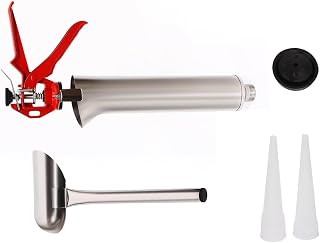
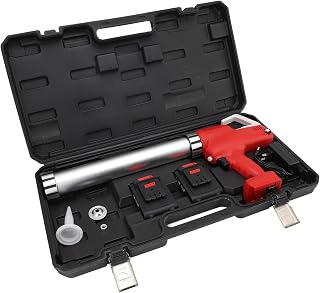
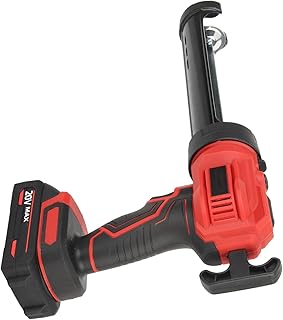
A precision dripless caulking gun is designed for controlled sealant application, particularly where a clean bead and predictable material flow matter. The right choice depends on more than the basic claim that a tool is “dripless.” Buyers should compare the dispensing mechanism, thrust ratio, frame construction, handle design, compatibility with different cartridges, plunger movement, nozzle control and ease of cleanup.
For Canadian homeowners, renovators, contractors and DIY users, the most suitable caulking gun can vary considerably. A tool used occasionally for trim and bathroom repairs has different requirements from one used regularly for construction adhesive, exterior sealants or demanding renovation work.
Before choosing a caulking gun, check the cartridges or sausage packs you expect to use. Common materials include acrylic latex, silicone, polyurethane, construction adhesive and specialty sealants. These products can have substantially different viscosities, so a dispensing mechanism that feels comfortable with a lightweight acrylic caulk may require considerably more effort with a thick construction adhesive.
Also check cartridge size and packaging format. Many manual guns are designed around standard cartridges, while some professional dispensing tools are built for larger cartridges, dual-component materials or sausage-style packaging. Compatibility should always be confirmed against the manufacturer's specifications rather than assumed from the appearance of the cartridge.
The dripless feature is primarily intended to reduce unwanted material discharge after the trigger is released. In a conventional dispensing system, residual pressure can continue pushing sealant through the nozzle, creating a small amount of waste and potentially leaving an unwanted blob at the end of a bead.
A dripless mechanism attempts to relieve or interrupt pressure when the trigger is released. This can make it easier to stop a bead cleanly, especially when working around visible joints, corners, trim and finished surfaces.
Dripless does not mean that a cartridge can never leak. No dispensing mechanism can compensate for a damaged cartridge, poorly cut nozzle, incorrectly fitted plunger, excessive trigger pressure or sealant that has been stored improperly. Good application technique remains important.
Consistent pressure is one of the most important factors in producing an even bead. Too much force can cause excessive sealant to leave the nozzle, while insufficient pressure can produce an uneven or broken line. A well-designed handle and trigger can make pressure easier to regulate over a long joint.
For precision work, look for a mechanism that allows controlled plunger movement rather than simply prioritizing maximum pushing force. A high-thrust mechanism can be useful with thick materials, but unnecessary mechanical advantage may make it harder to control flow with softer sealants.
Thrust ratio describes the mechanical advantage provided by the dispensing mechanism. In practical terms, a higher ratio generally means the tool provides greater pushing force for a given amount of trigger effort.
Lower-thrust designs can be appropriate for relatively easy-flowing acrylic or latex caulk. Medium and higher-thrust mechanisms can be more useful when dispensing thick silicone, polyurethane or construction adhesive. However, a higher ratio is not automatically better for every application.
The frame is one of the main structural components of a manual caulking gun. It transfers force from the trigger mechanism to the cartridge plunger, so rigidity can affect how efficiently the tool feels during use.
Steel can provide substantial rigidity and resistance to deformation. Heavy-duty steel construction can be appropriate for frequent use, especially when working with high-viscosity materials. The trade-off is that a steel tool can be heavier than an aluminium or composite alternative.
Aluminium can provide a useful balance between structural strength and lower weight. For users who spend extended periods applying sealant, reducing unnecessary tool weight can make the job more comfortable.
Composite components can help reduce weight and may be suitable for lighter-duty applications. The important consideration is not simply the material name but the quality of the complete dispensing mechanism, frame geometry, trigger assembly and plunger support.
Caulking is repetitive work. A tool that feels acceptable for a five-minute repair may become uncomfortable during a larger renovation. Look for a handle that provides a secure grip and allows the trigger to be operated without forcing the hand into an awkward position.
Useful ergonomic characteristics can include a comfortable trigger shape, a handle that accommodates different hand sizes, smooth trigger travel and a grip surface that remains secure when gloves are worn.
Precision application is not determined by the gun alone, but the tool can make consistent technique easier. A rigid frame, controlled trigger and smooth plunger movement can help the user maintain a steady bead.
Some designs also incorporate features intended to assist with cartridge loading, nozzle cutting, puncturing cartridge seals or managing the plunger. These conveniences can be useful, but they should not replace the more important considerations of cartridge compatibility and dispensing control.
The nozzle opening has a direct effect on bead size. A smaller opening can help with narrow joints, while a larger opening can be appropriate for wider gaps. Cutting the nozzle at the correct angle and opening size is essential for controlled application.
For visible finishing work, avoid cutting a nozzle excessively large at the beginning. It is generally easier to increase the opening gradually than to compensate for an opening that is already too large.
Manual and powered dispensers serve different users. A manual precision dripless caulking gun is usually simpler, portable and independent of batteries or electrical power. It can be a practical choice for household maintenance, occasional renovation and many general construction tasks.
Powered caulking guns can reduce repetitive hand effort and may provide more consistent dispensing over extended jobs. They can be particularly useful when a user applies large quantities of sealant or adhesive. The additional cost, battery requirements, weight and maintenance should nevertheless be considered.
When researching a caulking gun, established tool manufacturers can provide a useful starting point because their product specifications, replacement components and intended applications are often easier to verify. Depending on the tool category and availability in Canada, buyers may encounter brands such as Milwaukee, DEWALT, Makita, Irwin, Tajima, Albion Engineering and Newborn Brothers.
Brand recognition alone should not determine the purchase. Compare the exact model's specifications, cartridge compatibility, thrust mechanism, construction, ergonomic design and intended workload before choosing between competing products.
More mechanical advantage can be helpful with thick sealants, but maximum thrust is not necessarily desirable for delicate finishing work. Excessive force can make flow harder to regulate and may encourage the user to dispense more material than necessary.
A sophisticated dispensing mechanism is of little value if it does not properly accommodate the cartridges you intend to use. Check cartridge dimensions, packaging style and manufacturer specifications before purchasing.
Dripless operation is useful, but it should be considered alongside trigger control, frame rigidity, plunger quality and ergonomics. The best overall tool is the one that matches the material and workload.
A heavy-duty tool can be beneficial for demanding applications, but additional weight becomes noticeable during repetitive overhead or extended work. Consider how long you will normally hold the tool rather than evaluating weight in isolation.
Canadian working conditions can include low temperatures that affect the flow characteristics of many sealants. A product that dispenses easily at room temperature may require substantially more force when the material is cold. Follow the sealant manufacturer's temperature requirements and storage instructions.
Instead of selecting the first highly rated option, compare the products according to the work you actually perform. A useful comparison should consider performance, construction, compatibility and handling rather than relying on a single rating or headline feature.
Moving too quickly can produce a thin or broken bead, while moving too slowly can deposit an unnecessarily large amount of material. The goal is to coordinate trigger pressure and travel speed so the sealant fills the joint consistently.
For long joints, it can help to establish a repeatable rhythm rather than repeatedly stopping and starting. On corners and detailed areas, slower movement and smaller trigger adjustments can provide better control.
Routine maintenance can help preserve smooth operation. After use, remove the cartridge when appropriate, wipe away uncured material and inspect the plunger, frame and trigger area. Do not allow cured sealant to accumulate around moving components.
The correct cleaning method depends on the sealant. Some materials can be wiped away with minimal effort while uncured, whereas others require a manufacturer-approved solvent or cleaning procedure. Never assume that a particular solvent is safe for every tool finish, sealant or component.
When evaluating long-term durability, inspect the areas that receive the most mechanical stress. These include the trigger linkage, plunger rod, cartridge cradle, frame and rear release mechanism.
A rigid frame should remain properly aligned when dispensing force is applied. The plunger should travel smoothly rather than binding or wobbling excessively. The trigger should return predictably, and the release mechanism should allow the user to disengage pressure without unnecessary force.
Canadian homeowners may use a caulking gun for bathroom sealing, kitchen installations, window and door work, baseboards, trim, exterior joints, siding-related maintenance and general repairs. Because these applications involve different materials, versatility can be more valuable than selecting a tool designed around a single type of sealant.
For interior finishing, smooth dispensing and ergonomic control can be especially important. For exterior applications, compatibility with the selected weather-resistant sealant matters more than the dispensing tool's marketing claims. For construction adhesive, mechanical advantage and frame strength may become higher priorities.
Customer feedback can be useful when it identifies recurring practical issues, but ratings should not be interpreted without context. A reviewer using a lightweight acrylic caulk for a small repair is evaluating the tool under very different conditions from a professional applying thick adhesive throughout a workday.
When reading verified customer reviews, look for comments about trigger effort, plunger movement, cartridge fit, durability, leakage after release, hand comfort and performance with the specific type of sealant you plan to use.
Give greater weight to detailed reviews that explain the application and material rather than short comments that only state whether the buyer liked the product.
The distinction between a precision-oriented tool and a basic caulking gun is primarily about control and intended use. A basic model may be perfectly adequate for occasional repairs where bead consistency is not especially demanding. A precision-oriented model becomes more attractive when clean application, predictable flow and reduced material waste are important.
For detailed trim, finishing work and visible joints, the trigger mechanism and overall handling can make a noticeable difference. For rough construction applications where the bead will be concealed or covered, maximum precision may be less important than durability and dispensing force.
The lowest-priced caulking gun is not necessarily the most economical choice if it is uncomfortable, difficult to control or unsuitable for the materials you use. Conversely, a premium professional tool may be unnecessary for someone who applies a few cartridges of acrylic caulk each year.
Evaluate value according to expected workload, material compatibility, ergonomics and durability. A moderately priced tool with the right thrust and comfortable handling can be a better fit than an expensive heavy-duty model that exceeds the user's needs.
Always follow the safety instructions supplied with the caulking gun and the sealant or adhesive. Wear appropriate eye and hand protection when the product instructions call for it, provide adequate ventilation where required, and verify that the sealant is suitable for the surface.
Do not use excessive force to compensate for an unsuitable cartridge, blocked nozzle or improperly prepared sealant. If dispensing becomes unexpectedly difficult, stop and identify the cause rather than continuing to increase trigger pressure.
Before making a purchase, use the following checklist to narrow down the choices in this guide:
There is no single best model for every Canadian buyer. The right choice depends on the sealant type, cartridge format, required thrust, frequency of use, desired precision and budget. Compare the specifications of the shortlisted models against the material you intend to dispense.
They can be worthwhile when clean stopping and controlled dispensing are important. The pressure-release mechanism can reduce unwanted material discharge after the trigger is released, although proper cartridge preparation and application technique remain essential.
Choose a thrust level appropriate for the viscosity of your sealant. Lower-force materials generally do not require extreme mechanical advantage, while thick adhesives and high-viscosity sealants can benefit from a higher thrust mechanism. Check the sealant and tool manufacturer's guidance for the best match.
Many manual dispensing tools can accommodate multiple materials, but compatibility varies by model and cartridge. Verify the manufacturer's specifications and the dimensions and packaging format of the products you plan to use.
Not necessarily. Higher thrust can reduce the hand effort required for thick materials, but excessive mechanical advantage can make delicate flow control more difficult. The ideal mechanism depends on the application.
Important characteristics include smooth trigger movement, controlled plunger travel, effective pressure release, a rigid frame and an ergonomic grip. Proper nozzle preparation and consistent application technique are equally important.
Metal construction can provide useful rigidity for demanding applications, while composite components can reduce weight. Compare the complete design rather than judging durability solely by the frame material.
No. Dripless systems are designed to reduce residual dispensing pressure, but small amounts of material can still emerge depending on the sealant, cartridge, nozzle, temperature and mechanism. The term should not be interpreted as a guarantee of zero material discharge in every situation.
Yes, depending on the workload and material. A well-designed manual gun can be practical for professional applications, while high-volume users may prefer powered dispensing equipment to reduce repetitive hand effort.
Use the correct nozzle opening, maintain a consistent angle, apply steady trigger pressure and move at a controlled speed. Prepare the joint properly and follow the sealant manufacturer's instructions for tooling and cleanup.
The best precision dripless caulking gun is the one that matches the material, cartridge format and workload rather than simply the one with the most features. For Canadian buyers, temperature conditions, project type, ergonomics and long-term durability can also influence the decision.
Use the products featured on this page as a starting point for comparison, then verify the exact specifications, compatibility information and current customer feedback before purchasing. Comparing the dispensing mechanism, thrust, construction and handling characteristics will make it easier to select a caulking gun that delivers the control and reliability your projects actually require.