

♥ Wishlist
Compare 25 Caulking Gun Hand Tools for Precise Sealing in Canada products in Canada. Reviews, ratings, pros, cons and buying advice updated for October 2026.


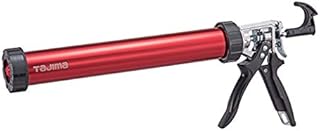


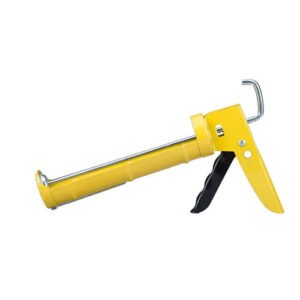
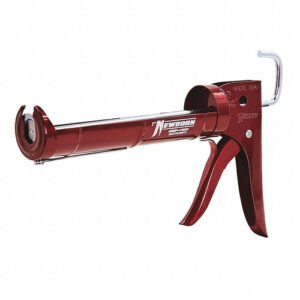
A precision caulking gun is more than a simple trigger-and-rod tool. The design of the frame, plunger, trigger ratio, release mechanism and nozzle-cutting approach can have a noticeable effect on how accurately sealant is dispensed. For Canadian buyers, the choice also needs to account for the type of sealant being used, cartridge size, working temperature and the amount of repetitive application involved.
When comparing the best precision caulking gun hand tools for 2026, focus on how well the tool matches the material rather than selecting solely by brand name or advertised thrust rating. A gun intended for occasional acrylic caulk may feel very different from one designed to push thick construction adhesive, polyurethane sealant or high-viscosity silicone.
Precision generally refers to the user's ability to control the amount and consistency of sealant leaving the cartridge. A well-designed gun should allow a controlled bead without requiring excessive trigger force or producing large pressure changes between trigger pulls.
Thrust ratio is one of the most useful specifications to understand when comparing manual caulking guns. It describes the mechanical advantage provided by the tool's trigger and drive mechanism. In practical terms, a higher thrust ratio generally makes it easier to push thicker materials, although the exact feel varies between designs.
A lower-thrust manual gun can be suitable for relatively easy-flowing acrylic or latex products. A medium or high-thrust model may be preferable for polyurethane, construction adhesive and other materials that resist extrusion. The cartridge manufacturer's instructions should always take priority because the required dispensing force depends on the specific formulation.
Higher thrust is not automatically better. Excessive mechanical advantage can make a tool less forgiving if the trigger is difficult to modulate. For detailed finishing work, controlled output can be more valuable than maximum pushing power.
For many homeowners and occasional DIY users, a manual precision caulking gun remains the simplest option. It requires no battery platform, charger or electronic controls and can be stored ready for use. It also gives the user direct mechanical feedback through the trigger.
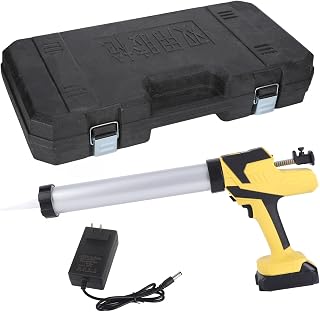
Battery-powered caulking guns can be advantageous for repetitive professional applications. They can reduce hand fatigue and provide more consistent material delivery when correctly configured. However, they cost more and introduce additional considerations such as battery compatibility, tool weight and electronic speed control.
Before buying a caulking gun, identify the packaging used by the sealant you intend to apply. Many conventional sealants are supplied in standard cartridges, but packaging formats and capacities vary. Some professional applications use sausage packs or bulk containers instead of standard cartridges.
A gun that does not support the required package size or format is not a practical bargain, regardless of how good its trigger mechanism may be. Check the manufacturer's specifications for cartridge length, diameter and capacity before ordering.
Open-frame guns make cartridge insertion and removal quick and provide clear visibility around the tube. Closed-frame designs can provide additional support around the cartridge and may appeal to users who prefer a more enclosed, rigid construction.
The better design depends on the application. For occasional DIY work, fast cartridge changes and easy cleaning may matter more than maximum frame rigidity. For demanding construction applications, a stronger frame and robust drive mechanism can become more important.
The materials used in a caulking gun influence its weight, durability and resistance to wear. Steel frames are common on robust manual models because they can withstand repeated mechanical loading. Aluminium can provide a useful balance between rigidity and weight, while polymer components are often used for grips, trigger components and other non-load-bearing areas.
Look closely at the parts that actually transmit force. A comfortable handle is valuable, but a strong trigger does not compensate for a weak drive rod, poorly supported plunger or flexible frame.
One of the easiest ways to create an untidy bead is to continue applying pressure after reaching the end of a joint. A well-designed pressure-release mechanism helps reduce unwanted material flow when the trigger is released.
This feature is particularly useful when working around corners, window frames, trim and other areas where excess sealant is difficult to remove. However, no mechanical release system eliminates the need for proper trigger technique. Users should still release pressure deliberately and avoid leaving unnecessary force on the drive mechanism.
For relatively easy-flowing acrylic and latex products, extreme mechanical advantage is usually unnecessary. A smooth trigger and comfortable grip can be more important than a very high thrust specification.
Silicone formulations can vary considerably in consistency. A precision-oriented gun with predictable trigger control is useful when applying a narrow bead around sinks, tubs, counters, windows and other finished surfaces.
Polyurethane products can require greater dispensing force. A stronger drive mechanism and suitable thrust ratio become more relevant, especially when the material is cold or particularly viscous.
Construction adhesives are often significantly more demanding than lightweight decorator caulk. If the gun is intended for repeated adhesive application, prioritize frame strength, drive mechanism durability and mechanical advantage.
Exterior products can have high viscosity and may be used in conditions that are less comfortable for manual application. Choose a gun specifically rated for the cartridge and material rather than relying on a generic description such as “heavy duty.”
Temperature can affect sealant viscosity. A product that dispenses easily indoors may require considerably more force when stored or used in colder conditions. Canadian users should therefore consider the manufacturer's stated application-temperature requirements before beginning exterior work.
A cold cartridge should not automatically be forced through a manual gun with excessive pressure. Follow the sealant manufacturer's handling and temperature instructions. If a product is not intended for application under the prevailing conditions, changing the caulking gun does not solve the underlying problem.
For exterior maintenance in colder regions, also consider where the cartridge has been stored, how long it has been exposed to low temperatures and whether the sealant itself is suitable for the intended substrate and weather conditions.
The quality of the finished joint depends on both the tool and the user's technique. Even an expensive caulking gun cannot compensate for contaminated surfaces, an unsuitable nozzle cut or inconsistent trigger movement.
When comparing products in a 2026 buying guide, it helps to evaluate each model against the same criteria. This prevents attractive packaging, brand familiarity or isolated specifications from dominating the decision.
Several established tool manufacturers and specialist caulking-tool brands offer products across different levels of manual and powered dispensing equipment. Depending on the application, buyers may encounter names such as Milwaukee, DEWALT, Makita, Tajima, Albion, Newborn Brothers, Cox and Dripless.
Brand recognition should be treated as a starting point rather than proof that one particular model is the right choice. Product specifications can vary substantially within the same manufacturer's range. Compare the exact model's cartridge compatibility, drive mechanism, thrust ratio, weight and intended application before buying.
Professional users generally have different priorities from occasional DIY users. A contractor applying sealant every day may place greater value on trigger ergonomics, durability, cartridge-loading speed and consistent mechanical performance. A homeowner completing a few repairs may prefer a simpler tool that is inexpensive, easy to store and suitable for standard cartridges.
There is no universal “best” precision caulking gun. The right model is the one whose mechanical characteristics match the material, workload and level of finish required.
Spending more can make sense when the tool will be used frequently or when consistent application quality is important. A better-built manual gun can provide improved control, reduced hand strain and a more predictable dispensing action.
For occasional household work, however, a premium professional model may offer capabilities that are rarely used. Consider total workload rather than assuming the most expensive option provides the best value for every buyer.
Proper maintenance helps preserve smooth operation. Sealant residue should be dealt with before it hardens around the trigger, drive mechanism or plunger. Always follow the cleaning recommendations for the particular sealant because different compounds respond differently to solvents and cleaning methods.
Caulking guns are relatively simple hand tools, but the sealants used with them may require specific precautions. Read the product label and safety information supplied with the sealant before use. Wear appropriate eye protection and gloves where recommended, provide adequate ventilation when required and avoid skin or eye contact with chemicals that carry such warnings.
Be particularly careful when sealing at height, near electrical installations, around windows or in poorly ventilated areas. The caulking gun is only one part of the overall job-safety equation.
For homeowners in Canada, a versatile manual gun is often a sensible starting point when the workload is moderate. Look for compatibility with commonly used cartridge formats, a comfortable grip, smooth trigger action and a dependable pressure-release mechanism.
If your projects involve thick construction adhesives or repeated exterior sealing, move the evaluation toward frame strength and mechanical advantage. For frequent renovation or trade work, ergonomic design and long-term durability can justify moving into a more specialized professional category.
Renovation projects can involve many different sealants, including products for trim, windows, doors, bathrooms, kitchens, flooring and general construction. A versatile caulking gun can therefore be useful across several stages of a project, but compatibility should always be checked for each cartridge.
For visible finishing work, prioritize control over raw dispensing force. For structural or adhesive-related applications, prioritize the tool's ability to handle the material without excessive hand effort.
Product listings can contain a mixture of useful technical information and broad marketing terminology. Before making a purchase, concentrate on specifications that directly affect performance.
Customer reviews can be useful when evaluating a caulking gun, but the most valuable comments are usually specific rather than simply positive or negative. Look for repeated observations about trigger smoothness, cartridge loading, pressure release, durability and compatibility with particular materials.
Pay attention to the context of each review. A homeowner using a gun for occasional bathroom maintenance has different requirements from a contractor dispensing adhesive throughout the working day. Reviews are most useful when the reviewer's application resembles your own.
The purchase price is only one part of value. A caulking gun that is comfortable, compatible with your preferred cartridges and easy to control can be a better long-term choice than a cheaper model that is frustrating to operate.
On the other hand, buying a highly specialized professional dispenser for occasional household repairs can result in unnecessary expense. Match the tool's capabilities to your actual workload, materials and expectations.
A gun with predictable trigger movement, appropriate mechanical advantage and a reliable pressure-release mechanism is generally preferable for precision work. The best choice also depends on the sealant's viscosity and cartridge format.
No. Higher mechanical advantage can make thick materials easier to dispense, but it is not automatically better for fine bead control. Select a thrust ratio according to the material and application.
Many manual guns can accommodate multiple sealants when they use compatible cartridge formats. However, the required dispensing force varies between materials, so verify that the gun is appropriate for each product.
They can be worthwhile for frequent users who benefit from better ergonomics, construction quality and dispensing control. For occasional DIY projects, a simpler model may provide better value.
Pay particular attention to mechanical advantage, frame rigidity, drive mechanism strength and trigger ergonomics. Confirm that the manufacturer considers the tool suitable for the specific adhesive or sealant you intend to use.
Residual pressure inside the cartridge can continue pushing material through the nozzle. A pressure-release mechanism can reduce this effect, although dispensing technique and the characteristics of the sealant also matter.
Temperature can change sealant viscosity and therefore the force needed for dispensing. Always follow the sealant manufacturer's temperature, storage and application instructions, particularly for exterior work in Canada.
A manual model is often sufficient for occasional work, while cordless equipment can be attractive for repetitive applications where reducing hand fatigue and maintaining controlled dispensing are priorities.
It is essential. A caulking gun must be able to accommodate the cartridge or package format used by the chosen sealant. Check the exact manufacturer's specifications before purchase.
Clean exposed residue promptly and follow the sealant manufacturer's recommendations. Removing material before it cures is generally easier than attempting to remove hardened residue later.
When evaluating precision caulking guns for Canadian buyers, the most useful comparison is not simply a ranking based on a single specification. Consider the complete combination of dispensing control, cartridge compatibility, mechanical advantage, construction, ergonomics, maintenance requirements and intended workload.
Specifications should be checked against the manufacturer's current information because individual models can change over time. Customer feedback can provide additional insight into everyday usability, while current retailer listings can help you compare today's pricing and purchasing options in Canada.
Ultimately, the best precision caulking gun is the one that gives you appropriate control for your chosen material, fits the cartridges you use, feels comfortable in your hand and provides enough mechanical advantage for the work without making fine application unnecessarily difficult.