

♥ Wishlist
Compare 45 Hand Tool Sets for Every Job in Canada products in Canada. Reviews, ratings, pros, cons and buying advice updated for October 2026.
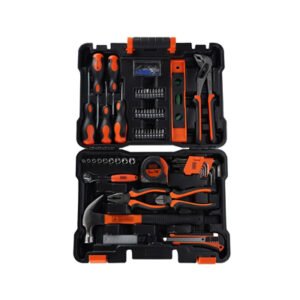
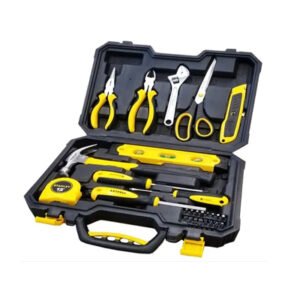
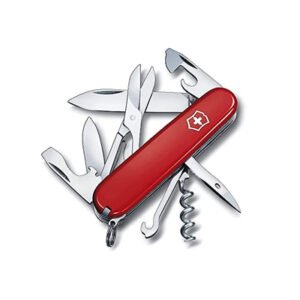


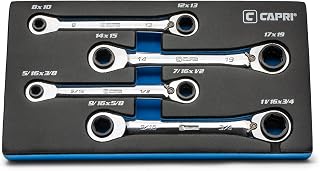


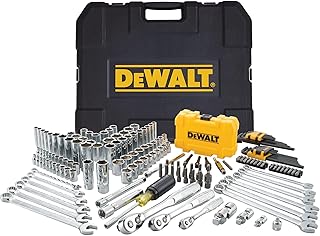


A precision hand tool set is a specialized collection designed for jobs where control, fit, access and fastener protection matter more than brute force. Unlike a conventional household tool kit, a precision set typically concentrates on small screwdrivers, interchangeable bits, tweezers, nut drivers, picks and other compact hand tools used on electronics, computers, cameras, appliances, watches, hobby equipment and delicate mechanical assemblies.
For Canadian buyers, the right set depends on the type of work you actually perform. A technician repairing laptops may need a very different bit selection from someone servicing small appliances, assembling electronics or working on hobby projects. Before comparing individual kits, examine the drive standards, bit profiles, handle design, materials, storage system and compatibility with the fasteners you encounter most often.
Brand recognition can be useful when assessing consistency and replacement availability, but the brand name alone should not determine a purchase. Manufacturers such as Wiha, Wera, iFixit, Klein Tools and Husky offer different approaches to precision tooling, so specifications should be compared rather than assuming every kit from a familiar manufacturer is equally suitable.
Precision tools are generally intended for smaller fasteners and applications where excessive force can damage a screw head, housing, circuit board or surrounding component. Their value comes from controlled torque, accurate tip geometry, compact access and comfortable handling.
A quality precision kit should provide a useful combination of commonly encountered profiles rather than simply offering the largest possible number of pieces. A 100-piece set is not automatically better than a 30-piece set if many of its bits are redundant or unsuitable for the work being performed.
Electronics-oriented kits commonly include small Phillips and Torx bits along with less common profiles used by consumer electronics manufacturers. Some sets also include spudgers, opening picks, suction accessories, tweezers and other non-marring tools.
If the intended work involves laptops, game consoles, smartphones or other electronics, look beyond the number of screwdriver bits. Opening tools can be just as important because forcing a plastic housing with a metal blade can create cosmetic or structural damage.
A general precision screwdriver set is appropriate when the primary requirement is controlled fastening rather than complete electronics disassembly. These kits can be useful around the home, workshop, office or hobby bench for small mechanical assemblies and consumer products.
Micro bit systems use interchangeable tips that fit into a compact handle. Their main advantage is flexibility: one handle can accommodate many profiles while keeping the overall kit relatively small.
For buyers with limited storage space, a well-organized micro bit kit may offer better practical value than a large collection of individual fixed-blade screwdrivers.
Some applications require profiles beyond conventional Phillips, slotted, Torx and hex bits. Security Torx, pentalobe, tri-point, square and other specialized profiles may be relevant depending on the equipment being serviced.
Specialty bits should be purchased because they solve a real compatibility problem, not simply because they increase the advertised piece count.
The most important specification is often the bit assortment. Identify the fastener types used by your equipment before choosing a kit. Phillips sizes are not interchangeable simply because they appear visually similar, and Torx and security Torx are different requirements.
A useful kit should provide several sizes of the profiles you use most frequently. Having one correct profile in only one size may be less useful than having a smaller overall assortment with multiple practical sizes.
Precision work places considerable importance on the interface between the bit and the fastener. A poorly formed tip may wobble, slip or fail to engage the fastener fully.
Look for precise machining, consistent geometry and appropriate hardness. Excessively soft bits can wear quickly, while overly brittle materials may be less forgiving under inappropriate loads.
The handle should allow controlled movement without requiring excessive grip pressure. A rotating end cap can be useful for fingertip control while the main shaft is turned with the fingers.
Textured surfaces can improve grip, but aggressive textures are not necessarily better for delicate repetitive work. The best design depends on whether the tool will be used for occasional household repairs or extended technician-style sessions.
Magnetic retention can make small screws easier to position and prevent them from falling during disassembly. It is particularly convenient when working with recessed fasteners.
However, magnetism should not be treated as an automatic advantage for every application. Consider the equipment being serviced and whether magnetic components are appropriate for the task.
Short shafts provide excellent control in open areas, while longer shafts can reach recessed fasteners. Some comprehensive sets provide different driver configurations so users can adapt the tool to the workspace.
Before purchasing, consider whether the equipment you service contains deep screw wells, narrow openings or fasteners positioned close to obstructions.
Small precision bits are easy to misplace. A case with clearly labeled positions can therefore provide more practical value than a larger assortment stored loosely.
Check whether the storage system keeps bits secure when transported and whether individual profiles can be removed without disturbing neighboring pieces.
Precision bits are commonly manufactured from hardened tool steels or comparable alloys selected for wear resistance and dimensional stability. Buyers should pay attention to the manufacturer's stated material and construction information rather than assuming that all steel bits perform identically.
For occasional household use, durability requirements may be modest. For frequent professional work, consistency of bit geometry and resistance to wear become substantially more important.
Precision handles may combine engineered plastics, rubberized surfaces, metal components or multiple materials. The important consideration is whether the handle provides controlled rotation and remains comfortable during extended use.
Canadian workshop environments can vary considerably, particularly where tools are exposed to humidity, garages, basements or seasonal temperature changes. Store precision tools dry and avoid leaving them exposed to moisture for prolonged periods.
Phillips screws are widely encountered in consumer products, electronics and general assemblies. Precision sets normally include multiple Phillips sizes because using an undersized or oversized driver can increase the risk of slipping.
Slotted drivers remain useful for older equipment, electrical components, mechanical assemblies and general repair work. Multiple blade widths are preferable when the kit is intended for varied applications.
Torx profiles use a six-point star-shaped interface and are common in electronics, appliances, automotive components and mechanical products. A useful set should contain several Torx sizes rather than a single generic tip.
Security Torx fasteners contain a central feature that prevents the use of an ordinary Torx bit. Security Torx bits include a corresponding opening, making them necessary when these fasteners are encountered.
Hex fasteners are common in mechanical products, furniture, hobby equipment and equipment assemblies. Canadian buyers should pay attention to whether a kit provides metric, imperial or both sizing systems when that distinction matters for the intended application.
Some consumer electronics use proprietary or less-common fastener profiles. If a kit is being purchased specifically for electronics repair, confirm that the exact specialty profiles required for the target devices are included.
When comparing several candidates, avoid judging them by piece count alone. A more useful approach is to score each kit against the requirements of your work.
One of the easiest mistakes is assuming that a larger kit provides better value. Precision sets can advertise a high piece count by including many sizes, duplicate accessories or tools that are unlikely to be used.
A smaller, carefully selected set may be more useful if it contains the exact Phillips, Torx, hex, slotted and specialty profiles required for your equipment.
When comparing two sets, create a simple checklist of the fasteners you regularly encounter. Count how many of those requirements each kit satisfies. This provides a more meaningful comparison than comparing the number printed on the package.
Electronics repair places unusual demands on hand tools. Fasteners are small, plastic housings can be fragile, and internal components may be positioned very close to the screw being removed.
A suitable electronics kit may include precision drivers plus non-metallic opening tools. Spudgers and picks can help separate clips and housings while reducing the temptation to use a screwdriver as a pry tool.
Computer repair often involves multiple small fastener types. Desktop systems may use conventional screws, while laptops and compact devices can introduce Torx, Phillips, specialty and security fasteners.
For this type of work, prioritize a kit with broad profile coverage and a compact case. If the set will travel between workstations, secure storage is especially important because loose micro bits can easily become separated from the main kit.
Household equipment can use a wider variety of fasteners than a basic screwdriver set covers. A precision kit can complement a conventional household toolkit by handling smaller screws found in controls, covers, switches, small motors and consumer devices.
Do not use a precision driver as a substitute for a heavy-duty screwdriver when substantial torque is required. Precision handles and bits are intended for controlled applications and can be damaged when subjected to loads outside their intended use.
Model building, robotics, 3D printer maintenance, small mechanical projects and electronics hobbies can all benefit from precision hand tools. Hobbyists often encounter a mixture of metric fasteners and specialty screws, making a versatile bit assortment particularly useful.
For a workshop used across several hobbies, a modular bit system can be attractive because additional profiles can be added without replacing the entire kit.
Brand comparisons should focus on the characteristics of the specific kit rather than treating one manufacturer as universally superior.
More pieces can mean more versatility, but only when the additional pieces are relevant. Unused specialty bits add bulk and can make organization more difficult.
Having the correct profile is not enough. The size must also match the fastener. A poor fit increases the possibility of slipping and damaging the screw head.
Precision tools are not miniature replacements for heavy-duty drivers. Avoid applying excessive force or using a precision handle as a lever unless the manufacturer specifically designs it for that purpose.
A reputable manufacturer can be a useful starting point, but a premium brand's compact set may still be the wrong choice if it lacks the profiles required for your equipment.
A precision set that is difficult to organize can become frustrating in everyday use. A good case should make it obvious where each bit belongs.
Canadian buyers should verify the current listing, seller information, delivery terms and availability before purchasing. Product assortments can change, and the same tool family may be offered in different configurations.
Online listings can contain substantial information, but buyers should verify the details rather than relying solely on marketing language.
Even a high-quality tool can damage a fastener if it is used incorrectly. Select the largest appropriate bit that fits the fastener correctly and seat the tip completely before applying turning force.
Maintain downward pressure when appropriate so the driver remains seated. If a screw resists normal removal, investigate the cause instead of immediately increasing force. The fastener may be corroded, threadlocked, damaged or under tension.
Keep the tool aligned with the screw axis whenever possible. Angled pressure can reduce contact between the bit and fastener and increase the likelihood of stripping.
Precision tools require relatively little maintenance, but proper storage can significantly extend their useful life.
A bit should be considered for replacement when its working edges are visibly rounded, distorted or worn enough to affect engagement. Difficulty achieving a stable fit can be an early warning sign.
Continuing to use a worn bit can increase the likelihood of damaging the fastener, turning a simple repair into a more difficult extraction job.
An interchangeable precision set offers versatility and compact storage, while individual screwdrivers can provide a dedicated handle and blade for each profile. The better choice depends on how frequently the tools are used and how many profiles are required.
Occasional users generally benefit from a practical assortment that covers common fasteners without unnecessary complexity. A technician using precision tools every day should place greater emphasis on handle ergonomics, bit consistency, storage, durability and the availability of replacement components.
Professional users should also consider how quickly the kit can be inspected at the start and end of a job. A clearly organized case can reduce wasted time when multiple small bits are involved.
There is no single price point that represents the correct purchase for every Canadian buyer. Value depends on the quality of the included tools, the number of genuinely useful profiles, construction, storage and the frequency of use.
Instead of selecting strictly by price, compare the cost against the number of tools you will realistically use. A moderately sized set with excellent coverage can offer better practical value than an inexpensive oversized kit filled with irrelevant accessories.
For occasional repairs, avoid paying a premium for capabilities you will never use. For frequent technical work, spending more on consistent fit, ergonomics and durable components may be justified because tool performance directly affects efficiency.
Customer reviews can provide useful supplementary information, but they should be interpreted alongside manufacturer specifications. Look for repeated observations rather than isolated comments.
When reviewing current listings, distinguish between feedback about the tool itself and complaints related to packaging, shipping or an individual seller. These issues do not necessarily describe the underlying tool design.
Canadian shoppers should check the exact product listing intended for the Canadian market rather than assuming that a specification shown on another regional listing applies to the same package.
Taxes, delivery charges, seller conditions and availability can change over time, so current information should be checked immediately before purchase. Currency conversions can also make international listings appear less expensive until additional costs are considered.
For Canadian workshops, storage conditions are worth considering as well. Tools kept in an unheated garage or damp basement should be protected from condensation and moisture to help prevent corrosion.
Before selecting a set, work through this checklist:
Precision hand tool sets are designed for controlled work on small fasteners and delicate assemblies. Common applications include electronics, computers, appliances, watches, hobby projects, instruments and small mechanical products.
It can be worthwhile if you regularly encounter small or specialty fasteners that conventional screwdrivers cannot handle safely. The value is greatest when the included profiles match your actual repair requirements.
No. A larger piece count does not automatically indicate better quality or value. Compare useful bit coverage, construction, ergonomics and storage instead.
Well-known manufacturers in this category include Wiha, Wera, iFixit, Klein Tools and Husky, among others. The appropriate choice depends on the exact kit and intended application rather than brand reputation alone.
A practical starting assortment commonly includes several Phillips and slotted sizes along with Torx and hex profiles. The ideal selection depends on the equipment being serviced.
You need security Torx bits when the equipment uses tamper-resistant Torx fasteners with a central post. A standard Torx bit cannot properly accommodate that design.
Generally, no. Precision tools are intended for controlled low-to-moderate force applications. Heavy-duty fasteners should be handled with appropriately sized tools designed for the required torque.
There is no universal best set. The strongest choice is the one that provides the correct fastener profiles and sizes, dependable construction, comfortable handling and practical storage for your particular work.
If you regularly open electronics, a dedicated electronics-oriented set can be useful because it may combine common precision bits with specialty profiles and opening accessories that are not normally included in general household tool kits.
Use the correct profile and size, seat the bit completely, keep the driver aligned with the fastener and apply controlled pressure. Replace worn bits and avoid using excessive force when a fastener does not turn normally.
Keep them in a dedicated organizer or case with labeled positions. Store the kit in a clean, dry environment and return each bit to its designated position after use.
The best precision hand tool set is not necessarily the largest, cheapest or most heavily marketed option. A better purchasing decision starts with the fasteners you need to work on and then evaluates each candidate for bit coverage, tip quality, handle control, access, storage and long-term practicality.
For Canadian buyers, compare the exact product configuration and current listing before purchasing. Pay particular attention to the difference between a complete set and a similarly named variant, because manufacturers and retailers can offer multiple configurations within the same product family.
If electronics are your primary focus, prioritize specialty profiles and useful opening accessories. For general household work, concentrate on common profiles and sensible size coverage. For professional or frequent use, place greater weight on ergonomics, consistency, durability and organized storage.
Ultimately, a precision tool set should make small repair work easier, more controlled and less likely to damage the fastener or surrounding components. Use the specifications, intended application, current Canadian listing information and recurring customer feedback together when narrowing down your final choice.