

♥ Wishlist
Compare 44 Milwaukee Battery and Charger products in Canada. Reviews, ratings, pros, cons and buying advice updated for October 2026.


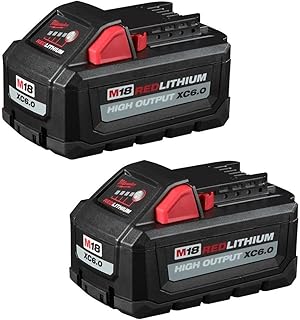


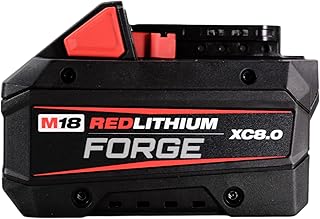


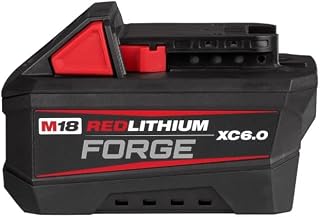


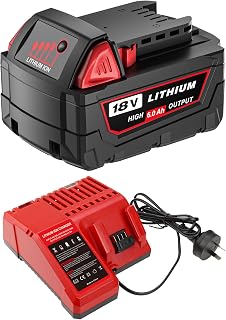
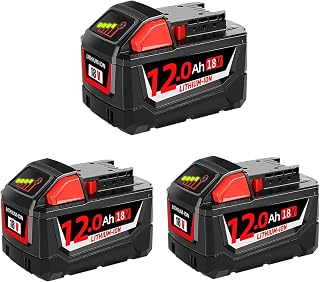


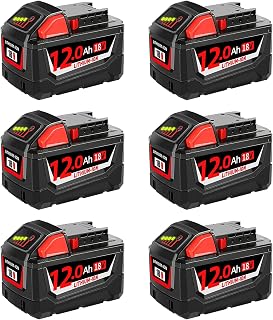


Choosing a Milwaukee battery and charger setup is less about selecting the biggest battery or the fastest-looking charger and more about matching the system to the tools, workload, charging routine and storage conditions you actually use. For Canadian buyers, the right choice should also account for voltage compatibility, winter temperatures, charging location, portability and the difference between compact batteries intended for lighter tools and higher-capacity packs designed for demanding applications.
This buying guide is designed to help shoppers compare Milwaukee battery and charger combinations carefully before purchasing. Product specifications, included accessories, compatibility and current retailer availability can change, so always confirm the exact model information and package contents on the retailer listing before ordering.
The first decision is usually the battery platform. Milwaukee's M12 and M18 systems serve different tool categories and power requirements, so a battery should not be selected simply because it has a larger capacity number.
For someone already invested in Milwaukee cordless tools, staying within the existing battery platform is usually the simplest approach. New buyers should consider which tools they expect to add later rather than purchasing a battery solely for one current application.
Amp-hours, commonly abbreviated as Ah, are an important comparison point when evaluating rechargeable tool batteries. In broad terms, a higher Ah rating represents greater energy storage within the battery pack. It does not automatically mean that a particular tool will perform better in every situation.
A compact battery can be preferable when working overhead, climbing ladders, installing hardware or performing repetitive tasks where fatigue matters. A larger-capacity pack can make more sense when reducing battery changes is more important than minimizing weight.
It is tempting to compare batteries solely by advertised capacity, but actual runtime depends on the tool and workload. A drill used intermittently at moderate load can consume considerably less energy than a high-demand saw, grinder or outdoor power tool operated continuously.
Material resistance, accessory selection, trigger use, operating conditions, temperature and the condition of the battery can all influence practical runtime. Consequently, published runtime figures should be treated as application-specific rather than as a universal promise.
When comparing products, look for compatibility information and capacity specifications first. Avoid choosing a battery simply because a retailer description uses phrases such as “maximum power” or “longest lasting” without explaining the underlying specifications.
A charger is an important part of the battery system rather than an accessory that should be chosen as an afterthought. Charging speed, platform compatibility, portability and charging routine can all affect how useful a cordless setup is during a working day.
A single-battery charger can be perfectly adequate for occasional DIY work or a homeowner who owns only a small number of cordless tools. A multi-battery charging hub becomes more useful when several batteries are used throughout the day.
Before choosing a multi-battery solution, determine whether it charges batteries simultaneously or sequentially. Those two arrangements can produce very different results in a busy workshop. Also check the manufacturer's specifications for the number and type of batteries supported.
Milwaukee's REDLITHIUM branding covers its lithium-ion battery families, but shoppers should still examine the exact battery model rather than assuming every REDLITHIUM product has identical characteristics.
Different generations and battery designs can vary in capacity, physical dimensions, performance characteristics and intended applications. When comparing two Milwaukee batteries, use the model number and published specifications as the primary reference.
This is particularly important when a retailer groups several visually similar batteries together. The name, Ah rating, dimensions and compatibility information should all be checked before adding a product to the cart.
Compatibility should come before price, capacity or promotional claims. Milwaukee produces batteries, chargers and tools across multiple product families, and not every combination should be assumed to work simply because it carries the Milwaukee name.
Buying a battery and charger as a kit can be convenient when starting a new cordless tool collection. However, an individual battery may provide better value when you already own a compatible charger and several batteries.
Compare the complete contents of each package rather than comparing headline prices. A seemingly inexpensive battery listing may contain only the battery, while another package may include a charger or additional accessories.
There is no single best battery capacity for every Milwaukee tool. The ideal choice depends on how much energy the application consumes and how much additional weight you are comfortable carrying.
Battery capacity is only one part of ergonomics. A larger battery can increase the total weight of a cordless tool, which may become noticeable during prolonged use.
For overhead installation, cabinetry, electrical work and other repetitive tasks, a lighter combination can reduce fatigue. For heavy-duty applications performed close to the ground, additional battery weight may be less significant than reducing the frequency of battery changes.
When comparing options, consider the complete tool-and-battery combination rather than evaluating the battery in isolation.
Canadian weather creates an additional consideration for cordless tool owners. Lithium-ion batteries should be handled and stored according to the manufacturer's instructions, particularly during very cold weather.
Cold temperatures can affect battery performance and charging behaviour. A battery that has been exposed to freezing conditions should not automatically be placed on a charger without considering the manufacturer's instructions for temperature and charging.
A well-organized charging area can make a substantial difference to convenience and safety. Chargers should be used according to their instructions and placed in an appropriate environment rather than being buried under tools, clothing or other materials.
Price comparison is useful, but the lowest listed price is not necessarily the best overall value. A better comparison examines capacity, included equipment, platform compatibility, charger type and package contents.
A high-capacity battery is not automatically the best battery. Additional capacity can increase weight and physical size, which may be undesirable for compact tools or extended overhead work.
One of the easiest purchasing mistakes is failing to distinguish M12 from M18. Always verify the platform before ordering.
A battery-only product and a battery-and-charger kit should not be compared using price alone. Examine exactly what is included in each package.
Retail images can make different battery variants look similar. Model numbers and written specifications provide a more reliable basis for comparison.
If you already own Milwaukee tools and chargers, consider your existing inventory. The best purchase may be a compatible additional battery rather than another charger.
Different listings can use similar titles while containing different package configurations. Verify the seller's description, model number and included accessories before purchasing.
Professional users typically benefit from a system that minimizes interruptions rather than simply maximizing individual battery capacity. The ideal setup may include multiple batteries at different capacities, allowing the user to select the appropriate combination for each task.
For example, a compact battery can be reserved for lighter installation work while higher-capacity packs are available for demanding applications. A suitable charging arrangement can then keep depleted batteries moving back into service throughout the working day.
The number of batteries needed depends on tool usage, work duration, access to power and charging speed. A contractor working continuously away from a workshop has different requirements from a homeowner completing occasional projects.
DIY users generally do not need the same charging infrastructure as a high-volume professional workshop. If cordless tools are used only periodically, a smaller number of compatible batteries and a standard charger may be sufficient.
Prioritize compatibility, storage convenience, battery condition and sensible capacity. Spending more for capacity that is rarely used can offer less practical value than having a lightweight battery that makes the tool easier to handle.
Rechargeable batteries are consumable components and their performance can change with use, storage conditions and age. When an existing battery no longer provides the performance expected from it, compare replacement options using the exact model and platform requirements.
Do not judge a battery only by how it looks externally. A clean exterior does not establish battery health, while physical damage should be treated seriously regardless of remaining capacity.
When comparing batteries for valuable power tools, shoppers may encounter original Milwaukee batteries alongside third-party alternatives. The important issue is not simply whether a third-party product physically fits the tool.
Battery electronics, protection systems, charging compatibility, cell quality, capacity claims and construction can vary between manufacturers. A low advertised price may therefore represent a different level of specification and support than an original battery.
Buyers considering a non-OEM option should carefully verify compatibility, electrical specifications, charging requirements, safety information and applicable warranty terms. For critical professional equipment, the cost of unexpected downtime can also be relevant when evaluating total value.
A reliable comparison starts with the specification section rather than the marketing headline. When evaluating a listing, work through the information systematically.
Customer reviews can provide useful information, but they should supplement specifications rather than replace them. Review patterns are more informative than a single enthusiastic or negative comment.
Pay particular attention to reviews discussing battery compatibility, package contents, charging behaviour, physical condition on arrival and long-term use. Reviews that clearly identify the model number and application can be more useful for comparison than generic comments about delivery or packaging.
Also check the date and context of reviews because product listings can change over time. A review may refer to an older package configuration even when the current listing has different contents.
Users with several cordless tools can benefit from treating batteries as a rotating inventory rather than assigning one battery permanently to one tool. A charged-battery rotation can reduce downtime when several tools are being used during the same project.
A practical system might keep compact packs available for lightweight work while reserving larger-capacity batteries for tools that consume more energy. Depleted batteries can then move into the charging queue while charged packs remain available for active work.
The best rotation depends on the number of tools, battery capacities, charger configuration and length of the workday. There is no universal battery-to-tool ratio that suits every user.
Good organization makes it easier to know which batteries are charged, which require charging and which should be inspected. A dedicated storage area can also reduce the chance of batteries being damaged by loose tools or unsuitable environmental conditions.
The best-value battery and charger combination is the one that delivers the right balance of capacity, compatibility, convenience and service life for the user's workload. A cheaper battery can be poor value if it does not match the required platform or application, while an expensive high-capacity battery may be unnecessary for occasional light work.
For Canadian shoppers, total value should include the equipment already owned, the number of batteries required, charging requirements and the practical cost of carrying additional weight.
Compact batteries are particularly worth considering when portability and ergonomics matter more than maximum runtime. They can be attractive for installers, maintenance workers, DIY users and anyone frequently working in confined spaces.
The correct choice still depends on the tool. Check the manufacturer's compatibility information and intended application before assuming a compact battery is appropriate.
High-capacity batteries can make more sense for demanding applications where minimizing battery changes is important. They are worth comparing when a tool is used for extended periods or when access to a charger is limited.
However, larger capacity usually needs to be evaluated alongside battery weight, tool balance and the physical demands of the job. More capacity is useful only when its additional energy meaningfully improves the working experience.
When reviewing a shortlist of Milwaukee battery and charger products, use a consistent comparison framework. This prevents marketing language from dominating the buying decision.
There is no single combination that is best for every Canadian buyer. The appropriate choice depends on whether your tools use M12 or M18 batteries, how much runtime you need, how important low weight is and whether you already own compatible charging equipment.
Choose the platform that matches the tools you own or intend to purchase. M12 and M18 are separate battery platforms, so the tool ecosystem should be the starting point for the decision.
No. A higher Ah rating can provide greater stored energy, but it can also increase battery size and weight. The best capacity is the one that fits the application's runtime and ergonomic requirements.
Do not assume universal compatibility. Confirm the exact battery platform and charger compatibility using the manufacturer's specifications before charging.
No. M12 and M18 are different battery platforms. Always select equipment specifically designed for the relevant platform.
It depends on your existing equipment. If you already have a compatible charger, a battery-only purchase may be sufficient. If you are building a system from scratch, a battery-and-charger kit may be more convenient.
The ideal number depends on how many tools you use, how long you work between charging opportunities and how quickly your charger can return batteries to service. Professionals with continuous workloads may need more batteries than occasional DIY users.
Cold temperatures can affect lithium-ion battery performance and charging conditions. Follow Milwaukee's instructions for temperature limits, charging and storage, particularly when batteries have been exposed to freezing weather.
Compare compatibility, specifications, safety information, charging requirements and warranty terms carefully. A generic battery should not be judged solely by physical fit or lower price.
Compare the exact model number, Ah capacity, number of batteries, charger inclusion, compatibility and current retailer price. A lower headline price does not necessarily represent better value if the package contains fewer components.
Because prices, promotions and inventory can change, compare current listings from established Canadian retailers and confirm the exact package contents immediately before purchasing.
Use ratings as one comparison signal rather than the only deciding factor. Read relevant recent reviews and look for recurring comments about the exact model, compatibility, battery performance and package contents.
The strongest Milwaukee battery and charger purchase is not necessarily the product with the highest capacity, most accessories or lowest advertised price. It is the configuration that fits the battery platform you use, provides appropriate runtime, remains manageable in the tool, and gives you a practical charging routine.
Before purchasing in Canada, verify the exact model number, battery platform, Ah capacity, charger compatibility and package contents. Compare current specifications and verified customer feedback, then check today's retailer pricing because availability and promotions can change.
For an existing Milwaukee user, compatibility with your current M12 or M18 collection should be the first filter. For someone building a new cordless-tool collection, consider the broader ecosystem and the tools you may add in the future. Taking this approach makes it easier to identify the battery and charger combination that offers the most useful balance of runtime, portability, convenience and long-term value for your particular workload.