

♥ Wishlist
Compare 34 Water Pumps for Home, Garden, Well & Water Transfer in Canada products in Canada. Reviews, ratings, pros, cons and buying advice updated for October 2026.
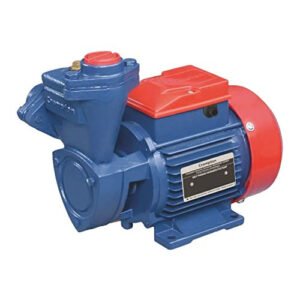
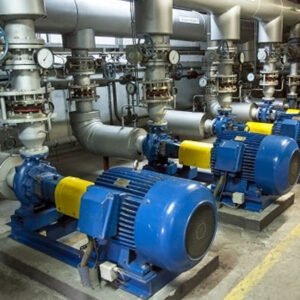
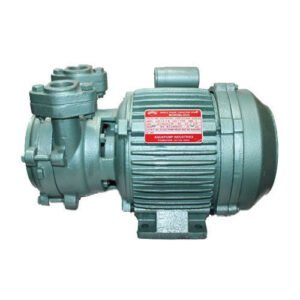
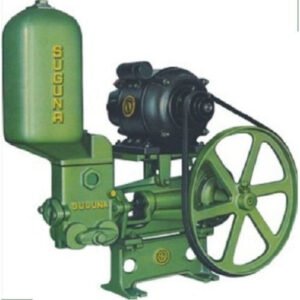
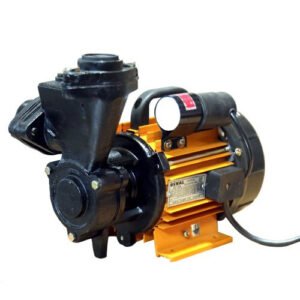
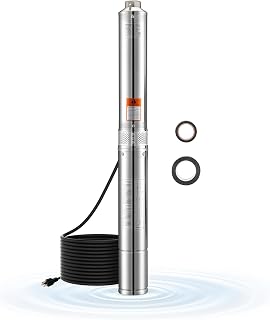


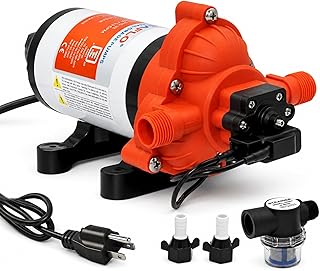


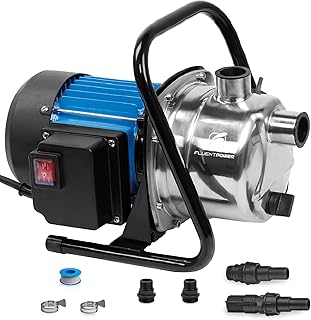


Choosing a precision water pump is less about finding the pump with the biggest motor and more about matching the pump's hydraulic performance, construction, power source and operating environment to the job. A pump used for draining a basement, transferring water from a rain barrel, supplying an irrigation system, circulating water or moving water around a workshop can require very different specifications.
For Canadian buyers, operating conditions deserve particular attention. Seasonal temperature changes, outdoor electrical connections, long hose runs, elevation differences and the possibility of freezing can all affect pump selection and service life. Before comparing models, identify the water source, required flow rate, vertical lift, hose or pipe size, power availability and whether the water is clean or contains sediment.
In a water-pump buying guide, precision should be understood as controlled, predictable water movement rather than simply maximum pumping power. A suitable pump should deliver an appropriate flow at the pressure and lift required by the application without being unnecessarily oversized.
An oversized pump can consume more electricity, create excessive flow for the plumbing system and make throttling or control more difficult. An undersized pump may struggle to reach the required head height, operate inefficiently or fail to provide useful flow at the outlet.
Submersible pumps operate while positioned in the water. This design can be particularly convenient for drainage because the pump does not normally need to pull water through a long suction hose. Depending on the model, submersible pumps may be used for clean water, drainage water or applications containing limited amounts of suspended material.
When comparing a submersible pump, check the minimum water level required for operation, maximum particle size, discharge connection, maximum head and whether the unit is intended for continuous or intermittent use.
Utility pumps are commonly selected for transferring relatively clean water between containers, tanks and other water sources. Their compact form can make them useful for household maintenance, seasonal tasks, gardens, workshops and other general-purpose applications.
Transfer pumps are often chosen for portability, but portability should not replace proper hydraulic matching. A lightweight pump with a convenient handle may be less useful than a slightly larger model if the application requires substantial vertical lift or sustained flow.
Self-priming designs can be useful when the pump must repeatedly establish suction without requiring the user to manually prime it every time. However, “self-priming” does not mean that installation requirements can be ignored. The pump still has limits for suction lift, hose configuration and the amount of air that can be handled.
Pressure-oriented pumps are designed around increasing or maintaining water pressure rather than simply moving water from one container to another. They can be appropriate where pressure at the outlet is more important than maximum transfer volume.
When evaluating a booster pump, consider the pressure requirements of the complete system, including pipe length, fittings, valves, filters and elevation. A pump's advertised maximum pressure does not necessarily represent the pressure available at every outlet under real operating conditions.
Irrigation applications require attention to both flow and pressure. Sprinklers, drip systems and other watering equipment have different hydraulic requirements. A pump should therefore be evaluated against the actual irrigation layout instead of being selected solely according to motor horsepower.
Flow rate is commonly expressed in litres per minute or litres per hour, depending on the product and market. The headline maximum flow figure is useful for comparison, but it should not be considered in isolation.
As resistance increases, available flow generally decreases. Vertical elevation, narrow hoses, long discharge lines, restrictive fittings and filters can all reduce delivered flow. The most useful specification is therefore the pump's performance at the head and system conditions that resemble your intended installation.
Head is one of the most important specifications when comparing water pumps. A pump rated for a high maximum flow but inadequate head may not perform well in an installation where water must travel vertically or through a restrictive plumbing system.
Static lift is only part of the calculation. The system can also create friction losses through hoses, pipes, elbows, connectors, valves and other components. The required operating point is therefore determined by the combined hydraulic resistance of the installation.
For practical product comparisons, look for a specification or performance chart showing flow at different head levels. This gives a much better indication of expected performance than maximum flow alone.
Motor wattage or horsepower can help compare pumps, but it should not be used as a substitute for hydraulic specifications. Two pumps with similar motor ratings can produce different flow and pressure because of differences in pump design, impeller geometry, efficiency and operating characteristics.
A sensible comparison considers motor power together with maximum flow, maximum head, intended duty cycle and energy consumption. For household and light-duty applications, selecting a pump simply because it has the largest motor can result in unnecessary electrical consumption without solving the actual hydraulic requirement.
The condition of the water should be established before choosing a pump. Clean-water pumps are generally designed for relatively clear water and may have smaller passages or components that are unsuitable for significant debris.
Dirty-water and drainage pumps may accommodate larger particles, but even these models have defined limits. Check the manufacturer's stated maximum particle size before pumping water containing leaves, gravel, mud or other solids.
Construction materials influence durability, weight, corrosion resistance and suitability for different environments. Common pump components may include engineered plastics, stainless steel, cast materials and other corrosion-resistant or application-specific materials.
For outdoor Canadian use, examine more than the external housing. Look at the construction of the impeller, shaft, seals, motor enclosure, electrical connections and fittings. A robust housing is useful, but internal components and sealing arrangements are equally important.
Engineered plastic housings can offer low weight and resistance to certain forms of corrosion. They are often practical for portable utility applications. Their suitability depends on the specific material and operating conditions rather than the word “plastic” alone.
Stainless steel can provide useful corrosion resistance and mechanical durability. The grade of stainless steel and the specific components made from it matter, so buyers should read the complete specification rather than treating stainless steel construction as an automatic indicator of overall pump quality.
Electrical compatibility should be checked before purchase. Confirm the rated voltage, frequency, plug configuration, current requirements and any manufacturer requirements for circuit protection. Outdoor use requires additional attention to electrical safety and protection from water exposure.
Never assume that a pump designed for one electrical configuration can safely be connected to another simply because the motor appears similar. The product's electrical specifications should match the installation.
Extension-cord selection can affect pump performance and electrical safety. A cord that is too long or inadequately sized can create voltage drop and may be unsuitable for the pump's current demand.
For outdoor applications, use electrical equipment and connections appropriate for the environment and follow the manufacturer's instructions. Keep connections protected from water and avoid placing electrical connections where they can sit in standing water.
Automatic controls can make drainage pumps substantially easier to operate. A float switch can turn a pump on or off according to water level, reducing the need for constant supervision when the product is specifically designed for that type of operation.
When comparing automatic models, examine the operating range of the switch and the minimum water level at which the pump can continue operating. Automatic operation does not eliminate the need for appropriate installation and occasional inspection.
If a pump will be moved between locations, weight, carrying handles, hose connections and storage requirements become meaningful buying factors. A portable pump should be easy to position securely without creating unnecessary strain on hoses or electrical cables.
For a permanently installed application, portability may matter far less than reliability, control options, serviceability and compatibility with existing plumbing.
The pump and discharge system should be treated as one setup. A pump connected to an unnecessarily restrictive hose may not deliver the expected flow. Long discharge runs can also introduce additional friction losses.
Pump noise can matter when equipment is operated near a home, workshop, cottage or other occupied space. Motor design, pump construction, mounting surface and operating conditions can all influence perceived noise.
Vibration can also affect connections and mounting stability. A pump should be positioned on a stable surface when the design calls for surface mounting, with hoses arranged so they do not place unnecessary mechanical stress on the pump.
For a pump used frequently, energy consumption deserves attention alongside purchase price. A lower-wattage pump is not automatically more efficient if it requires substantially more operating time to complete the same task.
A better comparison considers the amount of water moved for the required head and the electrical energy used to accomplish that work. For occasional emergency drainage, the purchase price and reliability may dominate the decision. For frequent irrigation or water transfer, operating efficiency can become considerably more important.
Cold weather creates special considerations for water pumps. Water left inside a pump, hose or fitting can freeze and expand, potentially damaging components. Seasonal equipment should therefore be drained, cleaned and stored according to the manufacturer's instructions when freezing conditions are expected.
Outdoor pumps should also be protected from unnecessary exposure when they are not designed for permanent outdoor installation. For cottages, gardens and seasonal properties, storage requirements can be just as important as pumping performance.
Basement drainage requires a pump capable of handling the expected water volume while reaching the intended discharge point. Before choosing a model, measure or estimate the vertical distance from the pump location to the discharge point and consider the length and diameter of the discharge hose.
Emergency applications place additional value on straightforward operation and dependable controls. If a pump is intended as backup equipment, store it where it can be accessed quickly and periodically inspect the pump, power cord, connections and hoses.
Garden applications vary considerably. A small pump may be sufficient for transferring water between containers, while a larger irrigation installation can require substantially different pressure and flow characteristics.
For irrigation, identify the requirements of the sprinkler heads, drip equipment or other watering devices. If several outlets operate simultaneously, calculate the combined flow requirement rather than sizing the pump around a single outlet.
Portable water systems often place a premium on compact dimensions, electrical compatibility and low power consumption. Buyers should also consider the available water source, required pressure, storage arrangements and the consequences of running the pump dry.
Where a pump is being installed in a recreational vehicle, boat or seasonal property, verify dimensional clearances and connection standards before purchasing. Space constraints can make otherwise suitable equipment impractical.
Running a pump without adequate water can damage certain pump designs. Some models incorporate dry-run protection or other automatic safeguards, while others require the user to prevent dry operation manually.
Do not assume that every pump has the same level of protection. Check the manufacturer's specifications and operating instructions, particularly if the water supply may be intermittent.
Priming refers to preparing a pump and suction system so that the pump can move water correctly. Some pumps require manual priming, whereas others use self-priming designs within specified limits.
Understanding priming requirements before installation can prevent a common buying mistake: selecting a pump that is technically powerful enough but inconvenient or unsuitable for the way the water source is configured.
A maximum-flow number can look impressive but tells only part of the story. Always evaluate the expected flow at the required head and through the actual hose or pipe arrangement.
More motor power does not automatically mean better performance for a particular application. A correctly matched pump can be a better choice than a substantially larger unit.
Moving water uphill consumes available pump head. Failing to account for elevation can lead to a pump that appears suitable on paper but produces disappointing flow in use.
Small particles, sediment and debris can cause problems when a pump is not designed to handle them. Always verify the permitted fluid and particle size.
A restrictive discharge hose can reduce practical performance. Check connection dimensions and avoid unnecessary restrictions between the pump and destination.
Water remaining in equipment during freezing weather can cause damage. Seasonal owners should follow the manufacturer's cleaning, draining and storage recommendations.
Some pumps are intended for intermittent use. Operating equipment beyond its recommended duty cycle can increase heat buildup and wear. Confirm the intended operating pattern before buying.
A useful comparison starts with the application rather than the brand name. Create a short specification checklist and evaluate every candidate against the same criteria.
Brand reputation can be a useful starting point, but it should not replace specification-level comparison. Depending on the application and Canadian availability, buyers may encounter established manufacturers such as WAYNE, Superior Pump, Simer, BURCAM, Little Giant, Zoeller, Honda and Tsurumi.
Different manufacturers specialize in different categories, and a brand that is strong in one type of pump may not offer the ideal solution for another application. Compare the actual model specifications, intended use, documentation, replacement parts and current customer feedback before making a purchase.
Customer reviews can provide useful information about installation convenience, noise, durability and real-world usability, but they should be interpreted carefully. A review describing excellent performance for draining a small pool does not necessarily demonstrate suitability for high-head irrigation.
The cheapest water pump is not necessarily the lowest-cost choice over its useful life. A lower purchase price may be attractive for occasional use, while frequent applications can justify paying more for construction quality, controls, efficiency, maintainability or a better fit for the operating environment.
When comparing prices, consider the complete setup. Hoses, adapters, filters, fittings, electrical accessories and replacement components may add to the overall cost. A pump that requires fewer additional components can sometimes be more practical even when its initial price is higher.
Check the pump housing, power cord, connections, hoses and visible seals before operation. Look for cracking, damage, unusual wear or loose connections.
Where the pump design includes an intake screen or filter, keep it free from leaves, dirt and other material. Restricted intake can reduce performance and place additional stress on the system.
If the pump is approved for contaminated water, clean it according to the manufacturer's instructions after use. Sediment left inside the equipment can interfere with moving components or connections.
Inspect hoses for cracks, kinks and deterioration. Examine fittings and clamps for leakage. A small restriction or leak can materially affect a pump system.
Drain water from pumps and associated hoses when the equipment will be exposed to freezing temperatures and the manufacturer recommends draining for storage. Store seasonal equipment appropriately rather than leaving trapped water inside the system.
Water and electricity create a serious safety risk when equipment is incorrectly installed or operated. Follow the pump manufacturer's electrical and operating instructions and use appropriate protection for the environment.
Before adding a water pump to your shortlist, answer these questions:
A “top 10” list is most useful when the products are not treated as interchangeable. The right choice depends on the intended application and the specifications that matter most for that application.
Start by eliminating pumps that fail a fundamental requirement. Remove models with insufficient head, incompatible electrical specifications, unsuitable water compatibility, inadequate particle handling or inappropriate duty ratings. From the remaining options, compare construction, controls, portability, maintenance requirements, customer feedback and total ownership considerations.
This approach is more reliable than ranking every pump by a single score because a pump optimized for drainage may be a poor choice for pressure boosting, while a high-pressure model may be unnecessary for simple water transfer.
Product listings can change, so verify the current specifications before placing an order. Pay particular attention to the exact model number because visually similar products can have different electrical ratings, outlet sizes, motor specifications or included accessories.
There is no single best water pump for every Canadian application. The right model depends on required flow, head, water condition, power supply, installation type and intended duty cycle. A pump that is excellent for drainage may not be the best choice for irrigation or pressure boosting.
Start with the required flow and total head. Then account for hose or pipe diameter, discharge distance, fittings and other resistance. Compare those requirements with the manufacturer's performance information rather than selecting a pump solely by motor size.
No. Excessive flow may be unnecessary for the application and can increase energy consumption or create compatibility issues with the connected system. The ideal pump provides sufficient flow at the required operating head.
Flow describes how much water the pump can move, while head describes its ability to overcome elevation and hydraulic resistance. A useful pump selection requires both specifications to be considered together.
Not necessarily. Pump designs have different tolerances for suspended particles and debris. Check the manufacturer's stated water type and maximum particle size before using a pump with anything other than the specified fluid.
Neither design is universally better. A submersible pump can be particularly convenient for drainage because it operates in the water, while a transfer pump may be more convenient for certain portable water-transfer applications. The intended task should determine the design.
A float switch can be useful when automatic water-level control is required. It is particularly relevant to some drainage applications where the pump needs to respond to changing water levels. For manual transfer tasks, automatic operation may not be necessary.
Some pumps are designed for outdoor applications, but suitability depends on the specific model and installation. Follow the manufacturer's instructions for weather exposure, electrical protection, operating temperatures and storage. Freezing conditions require particular attention.
Horsepower is useful for understanding motor capacity, but it is not enough to predict real-world water delivery. Flow, head, pump design and efficiency should be evaluated together.
Maintenance intervals depend on the pump type, operating frequency and water conditions. Inspect the equipment regularly and follow the manufacturer's maintenance schedule. Pumps exposed to sediment or debris may require more frequent cleaning.
Before choosing from the best precision water pumps available in Canada, make sure the model satisfies the fundamentals first. Performance should be evaluated at the operating conditions you actually expect, not simply at the most favourable specification listed on the product page.
The best precision water pump for a Canadian buyer in 2026 is the model that delivers the required water flow and head while fitting the application's water conditions, power supply, installation environment and expected workload. Instead of choosing solely by price, horsepower or maximum gallons-per-minute claims, compare the complete hydraulic and practical specification.
Whether the goal is basement drainage, garden irrigation, household water transfer, seasonal cottage maintenance or another water-moving task, careful specification matching can prevent the most common purchasing mistakes. Compare the exact model numbers, verify current Canadian specifications, read relevant customer feedback and consider long-term maintenance before making the final decision.