

♥ Wishlist
Compare 24 Cordless Vacuum Cleaners for Convenient Home Cleaning products in Canada. Reviews, ratings, pros, cons and buying advice updated for October 2026.
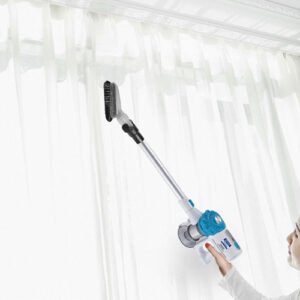
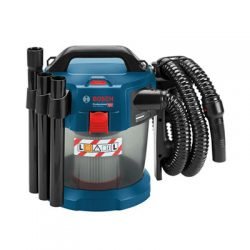
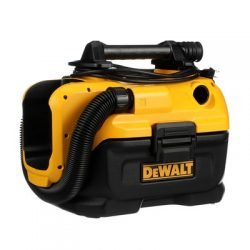
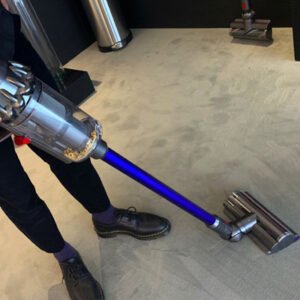
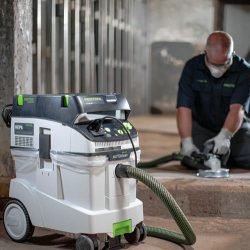

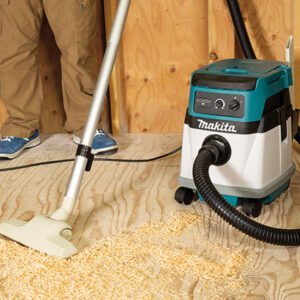
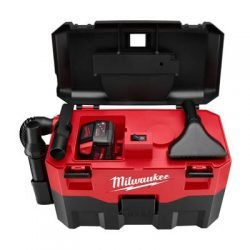


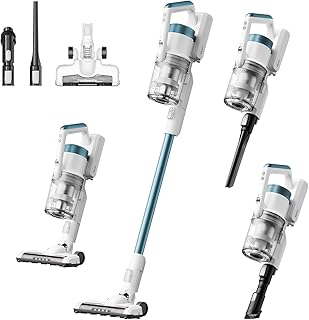

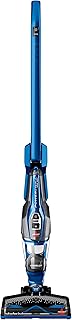

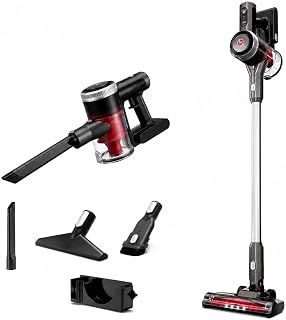


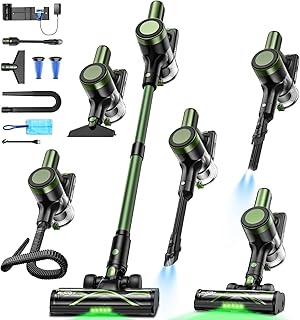
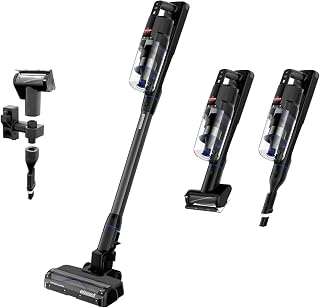

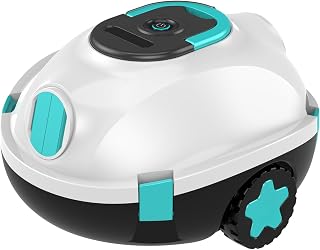


A precision cordless vacuum is most useful when the job calls for controlled, portable cleaning rather than the capacity of a full-size shop vacuum. For Canadian buyers, the right choice depends on where the vacuum will be used, the type of debris it needs to collect, battery compatibility, filtration, nozzle design, runtime, noise, storage, and the availability of replacement consumables.
The phrase “precision cordless vacuum” can cover several different product types, including compact handheld vacuums, cordless dust extractors, car-detailing vacuums, workshop cleanup tools, and small portable vacuums designed for tight spaces. Before comparing individual models, identify the actual cleaning task. A lightweight handheld vacuum may be ideal for crumbs, vehicle interiors, drawers, and workbenches, while a higher-powered cordless shop-style vacuum is better suited to sawdust, renovation debris, and repeated workshop cleanup.
Precision cleaning is less about maximum headline power and more about control. A useful compact vacuum should allow the user to position the nozzle accurately, reach confined areas, maintain sufficient suction around the opening, and dispose of collected debris without creating unnecessary mess.
Handheld models are convenient for quick cleanup and precision work. They are generally easier to carry from one location to another and can be useful for vehicle interiors, stairs, furniture, shelves, and small work areas. Their limitations usually become more apparent when cleaning large spaces or collecting substantial quantities of heavy debris.
Stick vacuums provide greater reach and are better suited to floors and larger household areas. Some convert into handheld configurations, making them versatile choices for buyers who want one machine for both routine floor cleaning and smaller precision tasks.
Workshop-oriented cordless vacuums are designed around portability and debris collection. They can be particularly attractive to DIY users and tradespeople who already use a compatible battery platform. When comparing these models, pay close attention to dust capacity, filtration, hose diameter, attachment compatibility, and whether the vacuum is intended for dry debris only or has additional capabilities.
Small detailing vacuums are designed for narrow spaces such as vehicle seats, consoles, door pockets, dashboards, and gaps around household furniture. Their value comes from a combination of compact dimensions and targeted accessories rather than simply the largest possible dust container.
For cordless power tools, battery compatibility can matter as much as the vacuum itself. Buyers who already own cordless tools should determine whether a vacuum is available on their existing battery platform before purchasing a separate battery and charger system.
Popular tool ecosystems from brands such as Makita, Milwaukee, DEWALT, Ryobi, and BLACK+DECKER offer different combinations of batteries, chargers, tools, and compact cleaning equipment. Compatibility should never be assumed simply because two batteries have similar physical dimensions. Use the manufacturer's stated battery platform and model compatibility information when comparing products.
A common buying mistake is to treat battery voltage as a direct measurement of cleaning performance. It is not. Actual vacuum performance depends on the complete electrical and airflow system, including motor design, fan efficiency, airflow resistance, filtration, nozzle geometry, battery condition, and operating mode.
Battery capacity is commonly expressed in ampere-hours, but a larger capacity does not automatically mean stronger suction. It primarily indicates how much electrical energy the battery can store under its specified conditions. Runtime can vary substantially depending on operating mode, attachment, airflow restriction, battery age, temperature, and the material being collected.
For Canadian users, storage conditions can also matter. Lithium-ion batteries generally perform differently in very cold conditions than at moderate indoor temperatures. Follow the manufacturer's instructions for charging, storage, and operating temperatures rather than assuming that a battery should be charged immediately after exposure to freezing conditions.
Runtime should be evaluated against the way the vacuum will be used. A short cleaning session does not require the same battery capacity as repeated workshop use throughout a workday.
Marketing specifications can make vacuum comparison difficult because manufacturers may report different measurements or emphasize different aspects of performance. Suction pressure and airflow are related but distinct concepts, and neither single figure completely describes how effectively a vacuum will collect a particular type of debris.
For precision work, the nozzle and airflow path can have a major practical effect. A narrow opening can concentrate airflow and help lift debris from crevices, while a wider opening may move more material over a larger surface. Filters also introduce resistance into the airflow system, particularly as they become loaded with dust.
Instead of choosing solely by a single advertised power figure, compare the complete specification set. Look at the manufacturer's stated suction or airflow information, cleaning modes, filtration arrangement, nozzle dimensions, battery system, and intended application.
Filtration deserves special attention when a cordless vacuum will be used around sawdust, drywall dust, fine workshop particles, or other small airborne material. A vacuum that handles ordinary household debris adequately may not be the right tool for applications involving significant quantities of fine dust.
HEPA filtration can be valuable in appropriate household and detailing applications, but the presence of the term “HEPA” should not be treated as proof that a particular vacuum is suitable for every dust-producing power-tool application. The entire filtration and dust-management system matters, including filter design, sealing, maintenance requirements, and the manufacturer's stated intended use.
A larger dust container reduces the frequency of emptying, but it also adds size and weight. For precision cleaning, a smaller container can actually be preferable when it keeps the vacuum compact and easy to manipulate.
Consider the amount of debris generated during a typical cleaning session rather than selecting the largest capacity available. A small handheld used for occasional crumbs does not need workshop-sized capacity. Conversely, a compact shop vacuum used to collect large amounts of sawdust can become frustrating if the container requires frequent emptying.
A crevice tool is one of the most useful accessories for precision cleaning. Its narrow opening can reach gaps around seats, cabinets, baseboards, machinery, drawers, and other confined areas.
A soft brush attachment can help loosen dust from textured surfaces while the vacuum removes the loosened particles. It is particularly useful when direct nozzle contact could scratch or mark a delicate surface.
A flexible hose can improve access when the vacuum body itself is too large to position close to the cleaning area. This can be useful in vehicle interiors, shelving, workshop machinery, and awkward corners.
An extension tube provides additional reach and can reduce bending when cleaning floors or low spaces. It may also make a compact vacuum more versatile without significantly changing the main unit.
For vehicles, sofas, mattresses, and fabric-covered surfaces, a wider upholstery tool can be more practical than a narrow crevice nozzle. Compare the included attachment set rather than assuming that every compact cordless vacuum provides the same accessories.
Some cordless vacuums use brushless motor technology, particularly models originating from power-tool platforms. Brushless motors can offer advantages in efficiency, durability, and electronic control, but the presence of a brushless motor should not be treated as the sole indicator of cleaning performance.
For buying decisions, consider the motor alongside battery compatibility, filtration, airflow, dust capacity, controls, noise, weight, attachments, and serviceable components. A feature is valuable when it improves the intended use, not simply because it appears higher on a specification sheet.
Weight becomes increasingly important when a vacuum is used above floor level or held at arm's length. A unit that feels comfortable during a short demonstration can become tiring during prolonged detailing or cleaning.
Cordless does not mean silent. Compact high-speed motors can produce considerable noise, particularly at maximum power. If the vacuum will be used indoors, around other people, or for extended cleaning sessions, noise should be part of the comparison.
Where manufacturers provide measured noise information, compare figures only when the measurement conditions are reasonably comparable. Avoid treating two decibel figures from different testing methods as perfectly equivalent.
Some portable vacuums are designed for dry debris only, while others are specifically designed to handle liquids. These categories should not be confused.
Never collect liquids with a dry-only vacuum merely because the container appears sealed. If wet pickup is important, verify that the specific model is explicitly designed and rated for wet use and follow its operating instructions. Likewise, some filters or bags may have restrictions when used with liquids.
Vehicle interiors are a strong use case for compact cordless vacuums because they contain many narrow and awkward areas. A useful detailing setup should ideally combine portability with attachments that reach under seats, between seat rails, around consoles, inside door pockets, and along carpet edges.
Workshop use places different demands on a vacuum. Sawdust, wood shavings, metal particles, drilling debris, and other workshop materials can quickly fill a small dust container. Buyers should therefore distinguish between occasional bench cleanup and continuous dust extraction from power tools.
For power-tool dust collection, verify that the vacuum and accessories are actually intended for the application. Check hose compatibility, adapters, filtration requirements, container capacity, and the manufacturer's recommendations for the type and quantity of dust involved.
Usually, the answer depends on the workload. A compact cordless vacuum can complement a shop vacuum extremely well for quick cleanup, portable jobs, and small work areas. It is less likely to be a sensible replacement when the primary requirement is high-volume debris collection or continuous extraction from dust-producing machinery.
Think of the two categories as different tools rather than direct competitors. A portable precision vacuum emphasizes convenience and manoeuvrability. A larger shop vacuum generally emphasizes capacity, sustained collection, hose systems, and heavier-duty cleanup.
Brand selection is particularly important when a cordless vacuum uses a shared power-tool battery. Established tool brands such as Makita, Milwaukee, DEWALT, and Ryobi are worth comparing for buyers who already own tools within those ecosystems. Household-focused brands such as Dyson, Shark, Hoover, and BLACK+DECKER may be more relevant for users prioritizing general home, car, and portable cleaning.
BISSELL is another brand worth considering when the primary use case is household or vehicle cleaning rather than jobsite dust collection. The important comparison is not simply which brand is most recognizable, but whether the specific model matches the user's application, battery needs, filtration requirements, attachments, maintenance expectations, and budget.
Household vacuum brands often emphasize convenience, floor cleaning, filtration, design, and versatile attachments. These characteristics can be useful when a precision vacuum is primarily intended for home or vehicle use.
Dyson models may appeal to buyers looking for premium cordless household technology and extensive accessory ecosystems. Shark provides a broad range of cordless cleaning products with an emphasis on household versatility. BLACK+DECKER offers compact cleaning tools that can be relevant for straightforward portable cleanup.
Rather than selecting a brand first, identify the required task and then compare the appropriate model within that brand's range.
Power-tool ecosystems are especially relevant for users who already own cordless drills, impact drivers, saws, or other compatible equipment.
Always verify the exact battery series and compatibility for the individual vacuum. Different generations or voltage classes within the same brand should not automatically be considered interchangeable.
Maximum suction figures can be useful, but they do not describe the complete cleaning experience. Nozzle design, airflow, filter condition, debris type, and battery state can all affect results.
A cordless vacuum advertised as a bare tool may appear inexpensive until the cost of a compatible battery and charger is considered. Compare the complete ownership setup.
Ultra-compact vacuums are convenient, but their limited containers can be unsuitable for frequent sawdust or renovation cleanup. Match capacity to the expected debris volume.
The opposite mistake is selecting a heavy unit that is unnecessarily difficult to manoeuvre. For car detailing or tight-space cleaning, portability may be more valuable than maximum capacity.
A vacuum is only as useful as its maintainability. Check whether filters, bags, seals, batteries, and other consumable or service components can be obtained for the specific model in your market.
Product images can show multiple accessories that are not necessarily included with every package configuration. Review the exact package contents before purchasing.
Some cordless vacuums are designed to sit on a charging dock, while others can be stored independently. If space is limited, consider the dimensions of the complete charging and storage arrangement.
When comparing products, do not stop at the first specification table. Read the complete manufacturer's information and determine which package configuration is being offered.
Customer reviews can add useful information that specifications cannot fully communicate, but they should be interpreted carefully. Look for recurring observations across many reviews rather than relying on an isolated positive or negative comment.
For cordless vacuums, useful review topics include battery longevity, charging convenience, dust-container design, filter cleaning, attachment quality, ergonomics, noise, real-world runtime, and whether the vacuum is appropriate for the type of debris being collected.
Pay particular attention to reviews from customers using the product for the same purpose you have in mind. A reviewer using a vacuum for occasional crumbs has a very different benchmark from someone collecting workshop dust every day.
The least expensive vacuum is not necessarily the best value. A model that requires frequent filter replacement, has inadequate runtime, lacks the necessary attachments, or uses a battery system you do not already own can become more expensive or inconvenient over time.
Evaluate total ownership value across the expected period of use. Consider the vacuum, battery, charger, filters, bags if applicable, accessories, replacement parts, and the convenience of the overall system.
Cordless convenience is valuable, but it comes with battery-related limitations. If a vacuum will be operated for long periods in one fixed location, a corded model can eliminate concerns about charging and runtime.
A corded workshop vacuum may also make more sense when the task involves substantial dust or debris and the vacuum is normally used near a suitable electrical outlet. Cordless is most compelling when mobility, quick setup, and freedom from a power cable provide a meaningful advantage.
Canadian seasonal temperatures make battery handling particularly relevant for portable cordless equipment. Lithium-ion batteries should be stored and charged according to the manufacturer's specified temperature and storage guidance.
Do not deliberately expose batteries to extreme heat or freezing temperatures, and do not use damaged battery packs. If a battery has been stored in a very cold environment, follow the manufacturer's instructions before charging or using it.
Always use a vacuum for materials within its stated application. Fine dust, liquids, hot debris, sharp fragments, combustible materials, and chemical substances can require specialized equipment or procedures.
When cleaning around power tools, disconnect or safely secure the equipment as appropriate before removing debris manually. Keep hands, clothing, and loose materials away from moving components. Never modify a vacuum's electrical or filtration system in a way that conflicts with the manufacturer's instructions.
Before choosing one of the products in a 2026 comparison, use the following checklist to make the decision more objective.
A top-10 list is best used as a starting point rather than a universal ranking for every buyer. Begin by eliminating products that do not meet the fundamental requirements of your application.
For example, a buyer who already owns several cordless workshop tools may reasonably prioritize battery compatibility. Someone purchasing a vacuum primarily for car detailing may instead prioritize low weight, narrow attachments, flexible reach, and convenient emptying. A household user may place greater importance on filtration, floor-cleaning capability, storage, and versatility.
Once unsuitable products have been removed, compare the remaining options on the factors that matter most to your use case. This produces a more meaningful buying decision than simply selecting the product with the highest advertised specification.
There is no single best model for every Canadian buyer. The right choice depends on the intended application, battery platform, filtration needs, runtime, attachments, weight, dust capacity, and budget. A compact handheld may be ideal for vehicle and household detailing, while a battery-powered workshop vacuum may be better for DIY and jobsite cleanup.
Some are, particularly for light and moderate cleanup, but suitability depends on the model and the debris involved. For frequent fine-dust collection or continuous extraction from power tools, choose equipment specifically intended for that application rather than assuming that any cordless handheld is suitable.
No. Voltage alone does not determine cleaning performance. Motor efficiency, airflow, suction characteristics, filtration, nozzle design, battery capacity, and overall system engineering all influence practical performance.
If you already own compatible batteries and a charger, a bare tool can be convenient. If you do not own the relevant battery platform, compare the total cost of the vacuum, battery, and charger as a complete kit.
They can be, particularly for household and vehicle applications where compact attachments and cordless convenience are priorities. For workshop dust collection, compare them against models specifically designed around power-tool and jobsite applications.
Not for every cleaning task. It can be useful when fine airborne particles are a concern, but buyers should evaluate the complete filtration system and intended use rather than selecting a vacuum solely because the product description contains the term HEPA.
The correct interval depends on the model and how heavily it is used. Follow the manufacturer's maintenance schedule and inspect the filter whenever suction decreases or the filter appears visibly loaded with debris.
Only when the specific vacuum is designed for that type of material and application. Fine wood dust can place greater demands on filtration and dust management than ordinary household debris.
Prioritize compact dimensions, useful runtime, easy emptying, suitable filtration, a crevice tool, a brush attachment, and enough reach to access areas beneath and between seats.
They can be an excellent choice when portability and quick setup are more important than unlimited runtime. The strongest value usually comes from selecting a model that matches the actual cleaning workload and, where appropriate, shares batteries with tools you already own.
The best precision cordless vacuum is not necessarily the most powerful, most expensive, or most heavily advertised model. It is the one whose battery system, filtration, attachments, capacity, ergonomics, and maintenance requirements align with the job you actually perform.
For household and vehicle users, prioritize manoeuvrability, attachment versatility, filtration, and convenient charging. For workshop users, place greater emphasis on dust management, capacity, battery ecosystem, filter maintenance, and application suitability. For existing cordless-tool owners, battery compatibility can significantly change the overall value calculation.
Before purchasing in Canada, compare the exact model configuration, current specifications, included accessories, replacement consumables, battery requirements, manufacturer guidance, and current retailer pricing. Product configurations and availability can change during 2026, so verify the details for the specific listing you intend to buy.