

♥ Wishlist


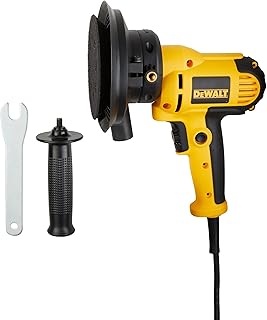


Finding the right sander can make surface preparation faster and help you achieve a cleaner finish. A Stanley corded sander is designed for users who want the convenience of mains-powered operation while working on woodworking, renovation and finishing projects. For Canadian shoppers, this category provides a useful place to compare Stanley sanding products alongside specifications, applications and current buying options.
Corded sanders are especially useful when you expect longer working sessions. Unlike battery-powered tools, they do not require a charged battery during operation. This makes them practical for workshops, renovation projects and repeated sanding tasks where consistent access to electrical power is available. Before choosing a model, consider the type of material you will sand, the required finish and the amount of surface you need to cover.
Stanley is a familiar tool brand with products used across DIY and workshop applications. A corded sander can be a practical choice when uninterrupted power is more important than cordless mobility. It can also suit users who already have a dedicated work area with convenient access to a power outlet.
When comparing models, look beyond the brand name. Check the motor specification, sanding action, pad or sheet size, speed control, dust-management arrangement and overall handling. These details can have a noticeable effect on how comfortable and effective the tool is during a project.
Think about what you will sand most often. Wood furniture, doors, boards, trim and other timber surfaces may require different sanding approaches. For broad surfaces, a suitable orbital or sheet-style sander can help cover the work area efficiently. More detailed work may benefit from a compact design that is easier to control around edges and tighter sections.
Motor power is one factor to review when comparing corded sanders. A higher power rating can be useful for demanding applications, but it should not be the only deciding factor. Sanding action, speed, pad design and the abrasive used also influence performance. Match the tool to the workload rather than choosing based solely on the highest specification.
Variable-speed control can provide greater flexibility when working with different materials or finishing requirements. Lower speeds can offer more control for delicate work, while higher speeds may help with faster material removal. If your projects vary, a model with adjustable speed can be worth considering.
A corded sander can be useful for preparing timber before painting, staining or finishing. It can also help remove old surface imperfections, smooth rough areas and prepare boards for subsequent work. DIY users may appreciate the straightforward operation of an electric sander, while workshop users can benefit from having a continuously powered tool available for repeated tasks.
For larger projects, consider how the sander will fit into your overall workflow. Start with the appropriate abrasive grade and avoid applying excessive pressure. Let the sanding action and abrasive do the work. Moving the tool steadily across the surface can help reduce uneven marks and improve consistency.
Canadian shoppers should compare product specifications, availability and pricing before making a purchase. Prices can vary by model, seller, accessories and current promotions. Check whether the selected product includes sanding sheets, dust accessories or other items, as package contents can differ.
It is also worth checking the electrical specification of the product before ordering. Confirm that the tool is appropriate for use with Canadian electrical standards and that the included plug and power requirements match your intended setup. Product availability can change, so reviewing the current listing before purchase is recommended.
Start by identifying the materials and surfaces you work with most often. Next, choose the sanding style that best matches those applications. Compare power, speed, sanding area, dust management and ergonomics. If you expect to use the tool for extended periods, handling comfort and vibration control deserve extra attention.
For occasional DIY jobs, a straightforward corded model may be enough. For frequent workshop use, prioritise durability, control and compatibility with your existing dust-extraction setup. The best choice is the model that matches your workload rather than simply the model with the largest specifications.
Use this category to explore available Stanley corded sander options and compare products according to your project requirements. Whether you are preparing furniture, smoothing timber or completing a renovation task, reviewing the specifications first can help you select a suitable electric sander for your Canadian workshop or home.