

♥ Wishlist
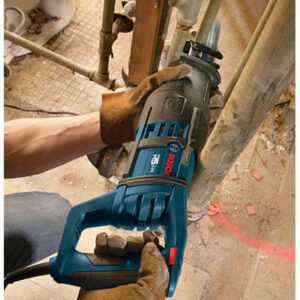
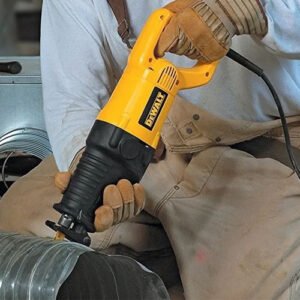
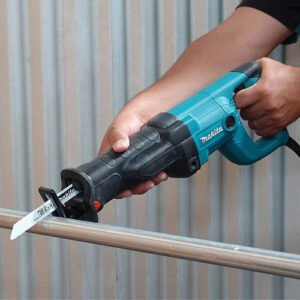
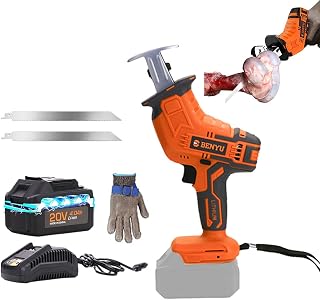


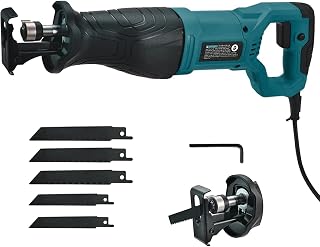


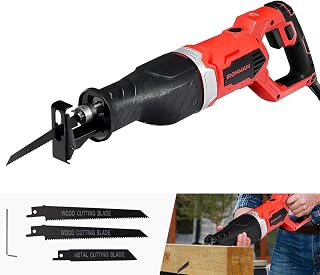
A corded reciprocating saw is a versatile cutting tool designed for jobs where speed, reach and sustained power matter. Often called a recip saw or sabre saw, it uses a back-and-forth blade motion to cut through materials such as wood, metal, plastic, PVC and certain building materials. For Canadian homeowners, renovators, tradespeople and workshop users, a corded model can be especially useful when projects involve repeated cuts and access to a suitable electrical outlet.
One of the main advantages of a corded reciprocating saw is its ability to deliver continuous power. Unlike a battery-powered model, it does not require charging or a spare battery between tasks. This makes corded saws well suited to longer cutting sessions, demolition work and workshop projects where uninterrupted operation is more important than cordless mobility. When comparing models, consider the electrical requirements and make sure the tool is appropriate for the power supply and work environment where it will be used.
Motor power is an important starting point. A higher-amperage motor can provide strong cutting performance for demanding applications, although power should always be considered alongside the saw's design, blade and intended material. For occasional DIY work, a moderate-power model may be sufficient, while frequent renovation or heavier cutting can justify a more robust machine.
Stroke length and speed also influence performance. Stroke length describes how far the blade travels during each reciprocating cycle, while strokes per minute indicate how quickly the blade moves. A longer stroke can help remove material efficiently, while variable-speed control gives you greater flexibility when moving between different materials. Slower settings can provide more control for delicate cuts, while faster settings may be useful for suitable wood-cutting applications.
The blade system deserves close attention. A good reciprocating saw should accommodate blades suited to the materials you plan to cut. Wood blades, metal-cutting blades and specialised demolition blades have different tooth designs and applications. Tool-free blade changing can make switching between tasks faster and more convenient, particularly during renovation or demolition projects where materials can change frequently.
Reciprocating saws can generate substantial movement and vibration, so ergonomics are important when the tool will be used for extended periods. Look for a comfortable grip, balanced construction and controls that are easy to operate while maintaining a secure hold. Features designed to reduce vibration can also contribute to better handling and less fatigue during repetitive work.
A variable-speed trigger can provide additional control, especially when starting a cut or working with materials that require a more measured approach. An adjustable or pivoting shoe can help maintain contact with the workpiece and support controlled cutting. These features are not equally important for every user, so prioritise the specifications that match your typical projects rather than paying for features you may rarely use.
A corded reciprocating saw can be useful for many renovation and construction applications. With the correct blade, it can cut timber, plastic pipe, metal components and other suitable materials. It is particularly useful for rough or demolition-style cuts where the precision of a circular saw or jigsaw is less important. The relatively compact cutting head also makes reciprocating saws useful when working in awkward areas where a larger cutting tool may be difficult to position.
For renovation projects, the tool can help with removing sections of timber, cutting through old framing, trimming pipes and dismantling unwanted materials. In workshop settings, it can handle a range of general cutting tasks when paired with the appropriate blade. Always verify the manufacturer's specifications and use the correct blade for the material before cutting.
When comparing options, start with the type of work you perform most often. DIY users may value affordability, manageable weight and simple controls. Tradespeople and frequent users may place greater emphasis on motor performance, durability, vibration control, cutting speed and long-term reliability. If you regularly work in locations without convenient electrical access, a cordless reciprocating saw may be more suitable; however, for stationary workshop use or projects near an outlet, a corded model can provide consistent operation without battery management.
Canadian shoppers should also consider the tool's electrical specifications, included accessories, warranty information and replacement blade availability. Prices can vary considerably depending on motor size, construction quality and included features, so comparing the complete package is more useful than focusing on price alone. Check the product specifications carefully before purchasing, particularly when buying online.
Whether you are tackling home renovation, demolition, plumbing, woodworking or general maintenance, choosing the right corded reciprocating saw can make difficult cutting jobs faster and more manageable. Focus on power, stroke length, speed control, blade compatibility, ergonomics and durability to narrow down the options. With the right combination of features and blades, a dependable corded reciprocating saw can become a valuable addition to a Canadian workshop, garage or jobsite.
Find a corded reciprocating saw designed for dependable cutting power and extended workshop or jobsite use. Corded models provide continuous electrical power without battery changes, making them a practical choice for demanding renovation, demolition, plumbing, woodworking and general construction tasks. Compare important features such as motor power, stroke length, speed, blade compatibility, ergonomics and cutting capacity to choose the right saw for your Canadian projects.