

♥ Wishlist


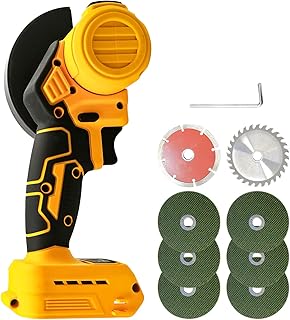
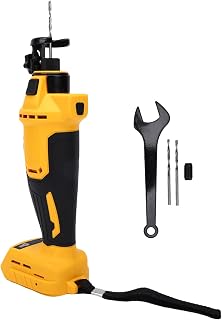


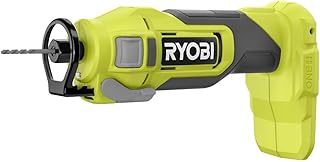


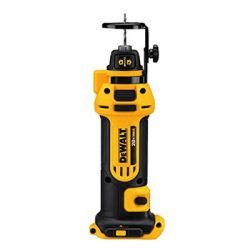
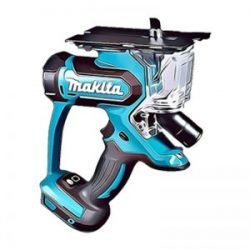
A cordless drywall cutter is designed to make controlled cuts in drywall, gypsum board, and other suitable sheet materials without the restriction of a power cord. For Canadian contractors, renovators, installers, and DIY users, cordless operation can make it easier to move around rooms, job sites, ceilings, and unfinished spaces. This category brings together cordless cutting solutions suited to drywall installation, remodelling, electrical work, HVAC preparation, and general renovation tasks.
When selecting a cordless drywall cutter, start by considering the type of work you regularly perform. A tool used for occasional home renovation may have different requirements from one used throughout a commercial construction project. Think about cutting speed, handling, battery platform, ergonomics, cutting depth, visibility, and compatibility with the materials you need to cut. Choosing a model that matches your workload can help make repetitive cutting more manageable.
The main advantage of cordless equipment is freedom of movement. Without a power cable running from the tool to an electrical outlet, you can work more easily around framing, ladders, work platforms, and partially finished rooms. This can be particularly useful when several trades are working in the same area or when access to mains power is limited.
Cordless drywall cutters are also convenient for renovation projects where portability matters. They can be moved between rooms or transported between job sites without the need to plan around an extension cord. For professionals, this can help simplify everyday workflows. For DIY users, cordless operation can provide a practical option for projects such as partition walls, ceiling work, openings, and drywall repairs.
Battery compatibility is an important factor when comparing cordless drywall cutters. If you already own compatible cordless tools, staying within the same battery platform may allow you to use existing batteries and chargers. Check the manufacturer's compatibility information before purchasing, as batteries are not universally interchangeable between brands or tool systems.
For longer work sessions, consider battery capacity and the availability of additional batteries. A spare charged battery can reduce interruptions when several cuts are required. Battery size can also affect overall tool weight, so balance runtime requirements with comfortable handling.
Cutting performance should match the materials and applications you expect to encounter. Look at the cutter's specifications for suitable materials, cutting depth, speed, and other manufacturer-rated capabilities. A compact model may be useful for detail work and tight areas, while a higher-performance tool may be more suitable for demanding professional applications.
Control is also important. A drywall cutter should be comfortable to guide along marked lines and around openings. Consider the grip, balance, switch placement, visibility around the cutting area, and overall tool shape. These details can make a difference when completing repeated cuts or working in awkward positions.
Cordless drywall cutters can be useful for creating openings for electrical boxes, lighting, vents, switches, and other installations where suitable cutting is required. They can also support drywall fitting, remodelling, repair work, and interior finishing. Always confirm that the selected tool is intended for the material and application before use.
For Canadian job sites, portability can be especially helpful in unfinished buildings, renovation areas, and locations where electrical access changes as construction progresses. A cordless tool can be carried from one work area to another without moving a cord or searching for the nearest outlet.
Before choosing a cordless drywall cutter, compare the tool's intended application, battery system, ergonomics, cutting specifications, accessories, and manufacturer instructions. Consider how often you will use the tool and whether you need a basic solution for occasional work or a model designed for frequent professional use.
It is also worth checking what is included with the product. Some cordless tools may be supplied as tool-only units, while other configurations may include batteries, chargers, cutting accessories, or carrying solutions. Always review the individual product listing for the exact package contents.
Drywall cutting can create dust and small particles, so use appropriate personal protective equipment and follow the safety instructions supplied with the tool. Check the work area before cutting to avoid hidden wiring, plumbing, framing, or other obstacles. Use suitable cutting accessories and keep the workpiece properly supported whenever possible.
For the best results, mark the cutting line clearly and allow the tool to perform the work without excessive force. Regularly inspect cutting accessories and batteries, and follow the manufacturer's instructions for maintenance, charging, storage, and safe operation.
Whether you are completing a home renovation in Ontario, installing interior walls in Alberta, or working on a construction project in British Columbia, the right cordless drywall cutter can provide a practical combination of portability and cutting control. Compare the available options according to your application, battery needs, workload, and preferred handling characteristics to find a suitable cordless solution for your next project.
Find cordless drywall cutters for renovation, installation, and finishing work across Canada. These compact cutting tools provide convenient cordless operation when working with drywall, gypsum board, and similar sheet materials.