

♥ Wishlist


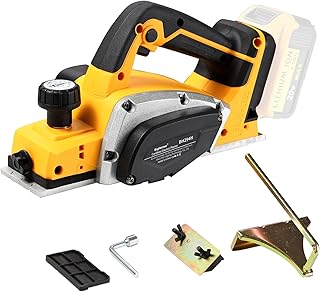


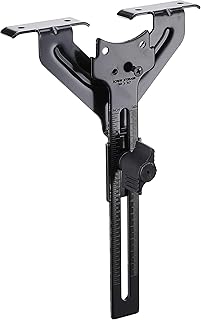


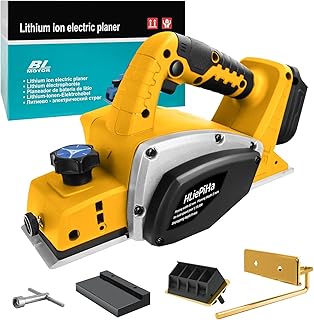

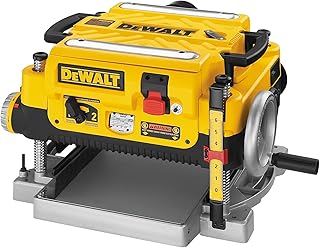



A Dewalt planer can be a practical addition to a woodworking workshop when accurate thicknessing, consistent results and efficient material preparation are important. Planers are designed to remove material from the surface of timber so boards can be brought closer to a desired thickness and finish. For Canadian DIY users, tradespeople, renovators and professional woodworkers, choosing the right planer depends on the type of timber being prepared, the size of the workpieces and how frequently the machine will be used.
When comparing Dewalt planers, start by considering the work you expect to complete. A compact portable model can be useful when you need to move the machine between work areas or transport it to different job sites. A larger-capacity option may be better suited to a workshop where boards are prepared regularly. Looking at the planer’s cutting width and maximum cutting depth can help you understand whether it matches the dimensions and requirements of your projects.
Dewalt is a well-known power tool brand used across construction, renovation and woodworking applications. A planer can save time compared with manually reducing board thickness, particularly when multiple pieces need to be prepared to similar dimensions. Consistent passes can also make it easier to achieve a more uniform result across a project.
For Canadian shoppers, portability can be another important consideration. If you work in different rooms, workshops, garages or job sites, a portable planer may provide greater flexibility. Before purchasing, check the product specifications carefully, including power requirements, cutting capacity, dimensions and included accessories, to make sure the model fits your workspace and intended use.
Cutting width: The maximum cutting width determines how wide a board the planer can process in a single pass. Choose a capacity that suits the timber sizes you commonly use.
Cutting depth: The amount of material removed per pass affects both productivity and finishing. Smaller cuts are often useful when gradually refining a board, while the appropriate maximum depth can help with more demanding preparation tasks.
Portability: If your woodworking projects take place in different locations, consider the machine’s size, weight and ease of transport. A portable design can be convenient for contractors and mobile workshops.
Dust collection: Woodworking produces chips and dust, so dust-management compatibility is worth considering. A suitable extraction setup can help keep the work area cleaner and improve visibility around the cutting area.
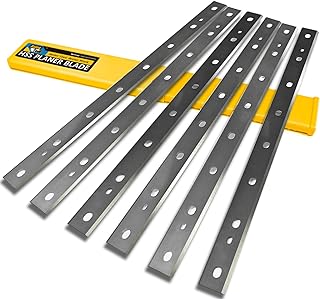
Replacement parts and accessories: Check the availability and compatibility of consumable components such as planer knives and other accessories before making a purchase. Using the correct replacement parts is important for maintaining the intended operation of the machine.
A planer can be useful for a wide range of woodworking tasks, including preparing reclaimed timber, dimensioning boards, making furniture components and completing renovation projects. When working with Canadian-sourced or reclaimed lumber, inspect boards carefully before planing. Remove nails, screws, staples and other embedded materials, as foreign objects can damage cutting components and create a safety hazard.
It is also worth considering the electrical requirements of the specific model before ordering. Product specifications should be checked to confirm that the planer is appropriate for your Canadian workshop or job-site setup. If you are replacing an existing machine, compare its capacity and performance requirements with the specifications of the new model.
Comparing several options can help you select a planer that fits both your current projects and future woodworking needs. Pay attention to capacity, portability, cutting performance, dust collection and included features rather than choosing solely on price. A planer that closely matches your typical board sizes and workload can provide better value over time.
For occasional DIY projects, a portable solution may provide the flexibility you need without taking up excessive workshop space. For frequent professional use, consider the demands of your workload and choose equipment with specifications that support regular operation. Always review the individual product listing for current specifications, compatibility, included accessories and availability before making a purchase.
Explore the Dewalt planer category to compare woodworking options suited to different applications. Whether you need a planer for home projects, renovation work, furniture making or professional woodworking, focusing on capacity and intended use can make the selection process easier. Choose the model that best matches your material sizes, workspace and project requirements, and always follow the manufacturer’s operating and safety instructions.
Find the right Dewalt planer for accurate, consistent and efficient woodworking projects. Whether you are preparing timber for furniture, refining boards for renovations or working on professional jobs, a suitable planer can help produce uniform thickness and a smoother surface. Browse the Dewalt planer category to compare options based on cutting performance, portability, capacity and workshop requirements.