

♥ Wishlist


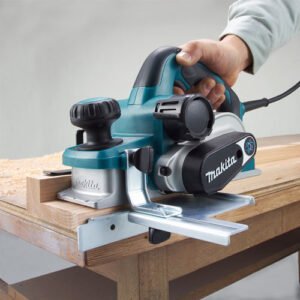
A corded planer is a mains-powered woodworking tool designed to remove a controlled amount of material from a timber surface. Unlike a hand plane, an electric planer uses a rotating cutter system to make repeated passes across wood, helping you smooth uneven boards, reduce thickness and create cleaner, more consistent surfaces. For Canadian DIYers, renovators, tradespeople and woodworking enthusiasts, a corded model can be a practical choice when reliable power is readily available in a workshop, garage or jobsite.
When choosing a corded planer, consider the type of wood you work with, the size of your projects and the amount of material you typically need to remove. Planers differ in cutting width, maximum cutting depth, motor performance, speed and handling characteristics. A wider cutting capacity can help cover larger boards efficiently, while adjustable depth settings give you better control when making fine finishing passes or removing more material during preparation.
One of the main advantages of a corded planer is continuous electrical power. You do not have to pause to recharge or replace a battery, making a corded model useful for longer woodworking sessions. This can be particularly helpful when preparing multiple boards, working through renovation materials or completing larger projects where repeated cuts are required.
A corded planer can also be useful when working with timber that needs its surface corrected rather than simply sanded. It can remove high spots, help level rough boards and prepare wood for subsequent joining, finishing or installation. With the appropriate depth setting and a steady feed, you can work towards a more uniform surface while limiting unnecessary material removal.
Cutting width affects how much material the planer can cover in a single pass. A suitable width depends on the boards and components you expect to work with. Adjustable cutting depth is equally important because shallow settings are useful for controlled finishing, while deeper settings can speed up heavier material removal when the application allows it.
Motor power and cutter speed influence how confidently a planer handles different woodworking tasks. If you regularly work with hardwoods or demanding materials, look for a model designed to maintain consistent cutting performance under load. For lighter DIY applications, ease of handling and adjustment may be more important than maximum power.
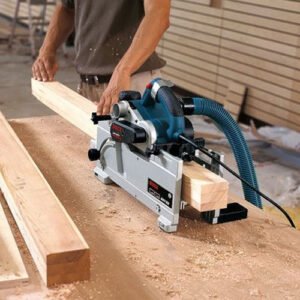
Planing produces wood chips and dust, so effective chip ejection can make a noticeable difference to your workspace. Some models can be connected to a suitable dust extraction system, while others provide directional chip discharge. Consider your workshop setup and where you need waste material to be directed before selecting a planer.
Canadian shoppers should consider both the practical requirements of their projects and the conditions in which the tool will be used. A corded planer is best suited to locations where a compatible electrical outlet is conveniently accessible. If you plan to use an extension cord, ensure it is appropriate for the tool's electrical requirements and intended environment.
Think about portability as well. A compact planer may be easier to control and transport between work areas, while a heavier design may provide a different balance and feel during operation. Ergonomic handles, accessible depth controls and a comfortable grip can become increasingly important during extended use.
Always follow the manufacturer's operating instructions and safety recommendations. Wear appropriate eye and hearing protection, secure the workpiece properly and keep hands away from the cutter area. Allow the tool to reach the appropriate operating condition before beginning a cut, maintain a stable stance and keep the power cord positioned safely away from the cutting path.
For better results, avoid attempting to remove excessive material in a single pass. Set an appropriate cutting depth, keep the planer level against the workpiece and move it at a controlled pace. Inspect the surface between passes when accuracy matters. Sharp, properly maintained cutters also contribute to cleaner results and more predictable performance.
A corded planer can be a valuable addition to a woodworking tool collection when you need reliable powered material removal and surface preparation. From correcting uneven timber to preparing boards for construction, furniture making or finishing, the right planer can make repetitive woodworking tasks faster and more controlled.
Compare the available corded planer options according to cutting capacity, adjustment range, motor performance, handling, chip management and your intended application. Choosing a model that matches the materials and workload you expect to encounter can help you work more efficiently while achieving the level of surface consistency your project requires.
Find a corded planer for smoothing, flattening and sizing timber with consistent results. Whether you are working on renovation projects, furniture builds or general woodworking, an electric corded planer provides dependable mains-powered performance without relying on battery charge levels.